Table of Contents
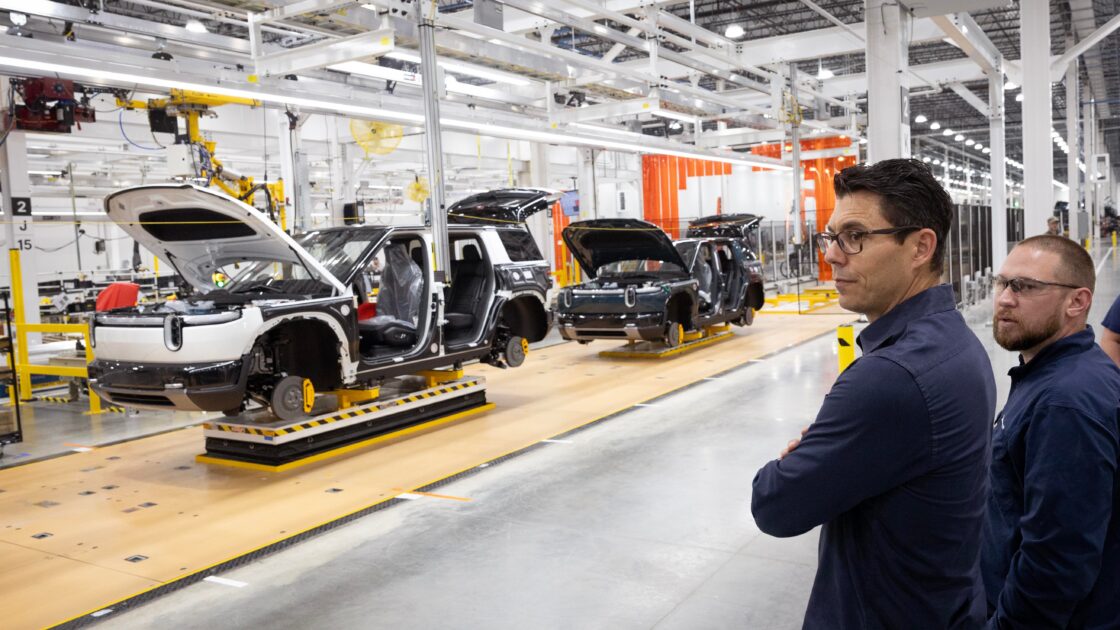
During an earnings call, Rivian CEO RJ Scaringe focused heavily on the company’s unproven autonomous vehicle ambitions, spending more time on the topic than on the production ramp of the R2 SUV. The automaker now faces a crucial test as it prepares to roll out its point-to-point hands-free driving feature.
The Road to Autonomy and Financial Gambles
Rivian plans to introduce its point-to-point driving feature to internal employees for testing and validation, followed by a customer rollout. Afterward, the company intends to launch its first robotaxi vehicles through a partnership with Uber. Derek Mulvey, the vice president for finance, stated during the call that autonomy serves as a primary product differentiator, a market share driver, and a long-term value creator. Matching Tesla’s driver-assist capabilities while simultaneously designing custom silicon chips, purchasing expensive sensors, and funding massive AI computing power presents a significant financial risk, particularly while Rivian works to scale production of its mass-market R2 vehicles.
Software Performance and Rising Costs
Rivian reported strong financial results in software and subscription services, achieving a 45 percent year-over-year increase in revenue alongside a 42 percent profit margin. However, the company cautioned that rising costs for computer chips, memory, and electronics, combined with the expense of adding dual processors and lidar sensors to certain R2 models, could reduce expected profits from mass production. Scaringe declined to disclose the exact take rate for the Autonomy Plus package, though he noted that customer adoption had surpassed expectations.
Upcoming Challenges and Strategic Risks
The upcoming point-to-point system must navigate complex urban environments and unusual edge cases, while potential vehicle crashes risk damaging the company’s brand reputation. Although the feature requires active driver supervision, legal challenges remain a distinct possibility when errors occur. Refusing to enter the self-driving market would have left Rivian behind competitors like Tesla and Waymo, but funding expensive artificial intelligence development while scaling the R2 makes the upcoming period the company’s riskiest to date.