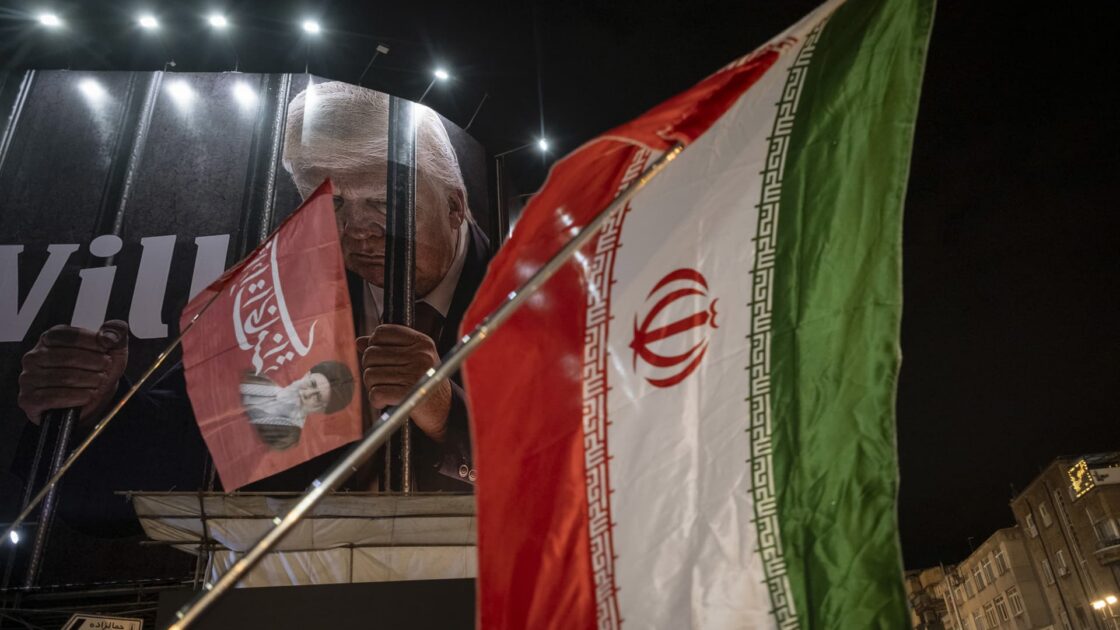
The U.S. military is working to restrict Iranian land commerce as it expands its ongoing naval blockade against Tehran. A recent Reuters investigation revealed that Iran established a covert network of military agencies to import a minimum of $2 billion in hardware, explosives, and heavy-duty trucks since January 2025, successfully bypassing Western sanctions and the U.S. naval blockade.
Secret Import Routes and U.S. Response
According to the Reuters investigation, the restricted materials entered Iran through multiple routes, including cargo ships crossing the Caspian Sea from Russia, trucks arriving from Central Asia, and freight planes flying in from China.
In response, U.S. Central Command announced that a new task force will coordinate efforts with other government agencies. An anonymous U.S. military official explained that this collaboration is anticipated to involve the Treasury, State, and Justice Departments, alongside the intelligence community.
“Strengthening CENTCOM’s collaboration with US interagency partners will further constrain Iran’s ability to finance terrorism, rebuild weapons factories, and replenish their military,” Admiral Brad Cooper, the commander of Central Command, stated.
Geopolitical Context and Ongoing Conflict
Central Command reported that its naval blockade has successfully stopped Iran from exporting over $25 billion in crude oil. Nevertheless, Iran has demonstrated resilience and expressed satisfaction following U.S. midterm election outcomes that weakened U.S. President Donald Trump’s Republican Party and handed control of Congress to the opposition Democrats. Vice President JD Vance attributed the electoral defeat to the Iran conflict and raised questions regarding whether the war was justified.
Meanwhile, mediators have stepped up diplomatic efforts recently to resolve the conflict between the United States and Iran amid anxieties that fighting could flare up again following the U.S. midterm elections.
Trump faces threats of launching a fresh offensive against Iran, causing anxiety among Gulf nations because Tehran has warned of widespread retaliation targeting Gulf infrastructure.
U.S. intelligence evaluations over recent months have suggested that fresh military strikes against Iran would neither fundamentally alter Tehran’s stance in negotiations nor result in the collapse of the Iranian government, as reported by Reuters.