Table of Contents
Human activities are driving a rise in global temperatures, creating significant risks for both people and the natural world. While scientists warn that conditions are likely to deteriorate in the coming decades, they also emphasize that immediate, decisive action can still mitigate the most severe consequences of climate change.
Understanding Climate Change
Climate change refers to the long-term alteration of the Earth’s average temperatures and weather patterns. The planet has experienced rapid warming for approximately a century, leading to shifts in global weather. According to the Met Office, every decade since the 1980s has been warmer than the one preceding it.
The year 2024 was the hottest on record, primarily due to climate change. Data from the Copernicus climate service indicates it was the first calendar year to exceed 1.5C of warming compared to pre-industrial levels from the late 1800s. Although 2025 saw a slight cooling effect from the natural La Niña weather pattern, temperatures remained high. Experts anticipate that 2026 will likely rank among the hottest years ever recorded due to the combined influence of climate change and the El Niño weather pattern.
The Human Impact
While the Earth’s climate has shifted naturally throughout history, the Intergovernmental Panel on Climate Change (IPCC) states that natural factors cannot account for the rapid warming observed over the last century. This trend is attributed to human activity, specifically the extensive use of fossil fuels—such as coal, oil, and gas—in transportation, industry, and residential heating.
Burning these fuels releases greenhouse gases, primarily carbon dioxide (CO2). This gas acts as a blanket in the atmosphere, trapping energy near the Earth’s surface and causing the planet to warm. Since the Industrial Revolution, atmospheric CO2 levels have increased by more than 50%. Scientists have identified a distinct chemical fingerprint in the CO2 currently in the atmosphere that matches the emissions produced by burning fossil fuels.
Current Consequences
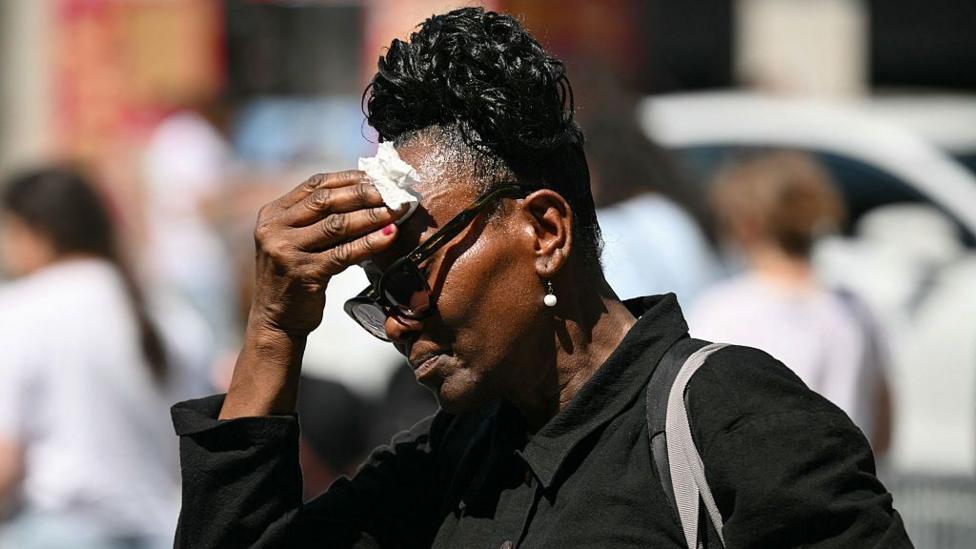
The effects of climate change are already evident, manifesting as more frequent and intense extreme weather events, such as heatwaves and heavy rainfall. Other impacts include the rapid melting of glaciers and ice sheets, the reduction of Arctic sea ice, and warming oceans that fuel powerful storms and threaten marine life.
These changes carry severe economic and human costs. For example, in August 2026, flash floods in Nepal resulted in over 1,400 deaths. World Weather Attribution scientists concluded that climate change increased the likelihood of the glacier collapse that triggered the disaster. Nepal’s Finance Minister, Swarnim Wagle, noted that reconstruction efforts could cost up to 10% of the nation’s economy.
Future Risks and Tipping Points
The 2015 Paris agreement saw nearly 200 countries pledge to limit global warming to 1.5C above pre-industrial levels. This target is defined as an average annual increase over 20 years. While 1.5C of warming poses serious risks, the IPCC warns that reaching 2C or higher would lead to even more catastrophic outcomes, including increased food insecurity, the spread of climate-sensitive diseases like dengue, and a higher risk of species extinction.
Efforts to restrict warming to 1.5C are intended to prevent crossing “tipping points”—thresholds where environmental changes become irreversible and accelerate. Potential tipping points include the collapse of the Greenland Ice Sheet, the loss of the Amazon rainforest, or changes to Atlantic Ocean currents. The IPCC estimates that 3.3 to 3.6 billion people are highly vulnerable to these changes, with those in poorer nations expected to suffer the most despite contributing the least to historical emissions.
Global Action and Policy
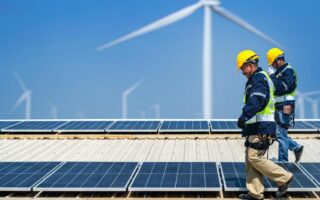
To limit warming, the IPCC emphasizes the necessity of reaching “net zero” CO2 emissions, which involves minimizing emissions and removing any remaining gases from the atmosphere. While progress has been made in renewable energy and electric vehicles, global CO2 emissions remain at record highs, with long-term warming reaching 1.4C in 2025.
The UN Emissions Gap Report suggests that the 1.5C limit will likely be breached, though a return to that level by 2100 remains possible with stringent emission cuts. Without such action, the UN warns that global warming could reach nearly 3C by the end of the century. International climate negotiations continue, though recent summits have seen mixed results. While COP28 saw an agreement to transition away from fossil fuels, COP30 concluded without new commitments on deforestation or fossil fuel usage. Furthermore, while richer nations pledged at COP29 to provide at least $300bn annually by 2035 to assist developing countries, many argue this amount is insufficient.
Individual Contributions
While systemic changes from governments and corporations are essential, individuals can contribute to climate mitigation efforts. Recommended actions include reducing air travel, improving home energy efficiency, switching to electric vehicles, replacing gas boilers with electric heat pumps, and consuming less red meat.
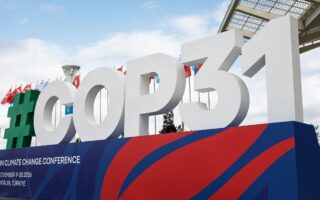
Government representatives are scheduled to meet for the next round of climate talks, COP31, in Turkey in November 2026.