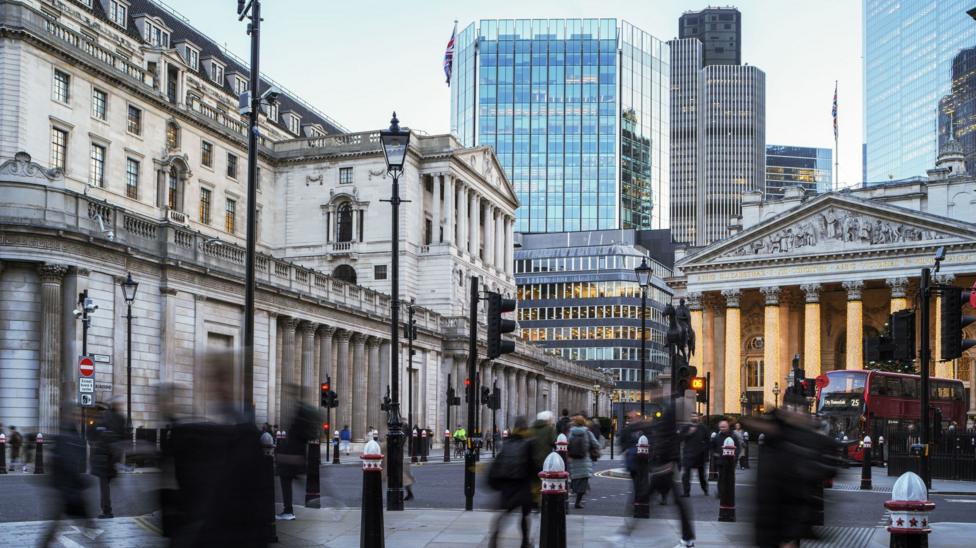
The Bank of England has increased interest rates for the first time in more than three years, moving the base rate from 3.75% to 4%. Governor Andrew Bailey signalled that further increases are likely unless the US-Iran war is resolved, as the central bank aims to curb inflation driven by soaring global oil prices.
Interest Rate Decision and Committee Views
Eight out of nine members of the rate-setting committee voted in favour of raising the rate to 4%, while one member wanted a larger increase to 4.25%. Andrew Bailey stated that the hike was justified by higher energy prices and noted that future decisions depend heavily on developments in the Middle East. “Put simply, it requires real progress towards settling the conflict in the Middle East,” the governor said, adding that he could see the argument for a further rate hike before adopting a conditional approach.
Committee member Clare Lombardelli agreed that a further rate increase is likely in the near term, and Megan Greene suggested additional hikes might follow depending on how inflation affects wages, prices, and the jobs market. However, Alan Taylor described the decision as a risk-management insurance hike for now.
In an interview with BBC News, Bailey defended the decision despite inflation not yet spreading widely across the economy. He explained that rising energy costs are creating upward pressure on inflation, and “that’s what we have to seek to lean against.”
Impact on Inflation and Borrowers
Inflation rose to 3.5% in the year to September 2026, largely due to fuel prices, and remains above the Bank of England’s 2% target. The Bank now expects inflation to peak at 4.9% in the middle of next year and not return to the 2% target until 2028. In an adverse scenario involving further escalation of the US-Iran war and higher oil prices, inflation could reach 6.2% in 2027.
The rate increase will raise borrowing costs for mortgages, loans, and credit cards while providing higher returns on savings. According to banking trade body UK Finance, 510,000 tracker mortgage-holders will experience a £31 monthly increase in repayments. Homeowners on fixed deals will see no immediate change, while those on variable deals will be affected based on lender responses, with a typical 0.25 percentage point rise adding £14 per month.
Patrick Bryson, a 51-year-old guitar teacher from Brighton, is facing a jump in monthly mortgage repayments from £1,420 to £1,680 as his five-year fixed term ends and he transitions to a 5.17% HSBC loan. “The only thing that bugs me about the mortgage is that after five years of paying it off we are now paying more than we were before,” he said, describing the situation as a slap in the face. He and his wife have already reduced subscription outgoings, stopped buying wine, and cut back on dining out and takeaways due to financial pressure.
The Bank raised rates for the first time since August 2023 to prevent high energy prices from spilling over into broader inflation across the economy.