Table of Contents
The Democratic Party secured significant victories in Tuesday’s midterm elections, successfully taking control of both chambers of Congress. This shift in the political landscape offers several insights into the current state of American governance and its future trajectory.
US democracy shows resilience
Concerns had mounted that American democratic institutions were shifting toward an authoritarian model under Donald Trump, fueled by events like the storming of the Capitol and the use of executive orders to bypass legislative oversight. However, the midterm results suggest these institutions remain robust. A post-election survey by the Associated Press indicated that approximately 30% of voters identified the health of democracy as the nation’s primary concern, with 70% expressing a desire for Congress to provide more effective checks and balances on the president.
By gaining control of Congress, Democrats now hold the power of the purse, allowing them to block funding for presidential initiatives they oppose. Furthermore, they gain the authority to establish investigative committees, placing the Trump administration under increased pressure to account for its actions.
Democrats prove their electoral viability
The election results demonstrate that the Democratic Party remains a potent political force, overcoming previous struggles with leadership and messaging. The party achieved notable successes in Republican strongholds, including victories in Texas and South Carolina, and secured a Senate seat in Kansas for the first time since 1932.
The midterms also highlighted the emergence of a younger, more progressive generation of politicians. This includes candidates endorsed by the Democratic Socialists of America (DSA), who advocate for expanded welfare, affordable housing, and stricter corporate regulation. Brandon Bohrn, an expert on trans-Atlantic relations at the Bertelsmann Foundation, told DW that these victories challenge the long-held belief that such candidates could not succeed nationally. This success may trigger internal party debates regarding the platform and strategy for the 2028 presidential election.
Republicans face an internal power struggle
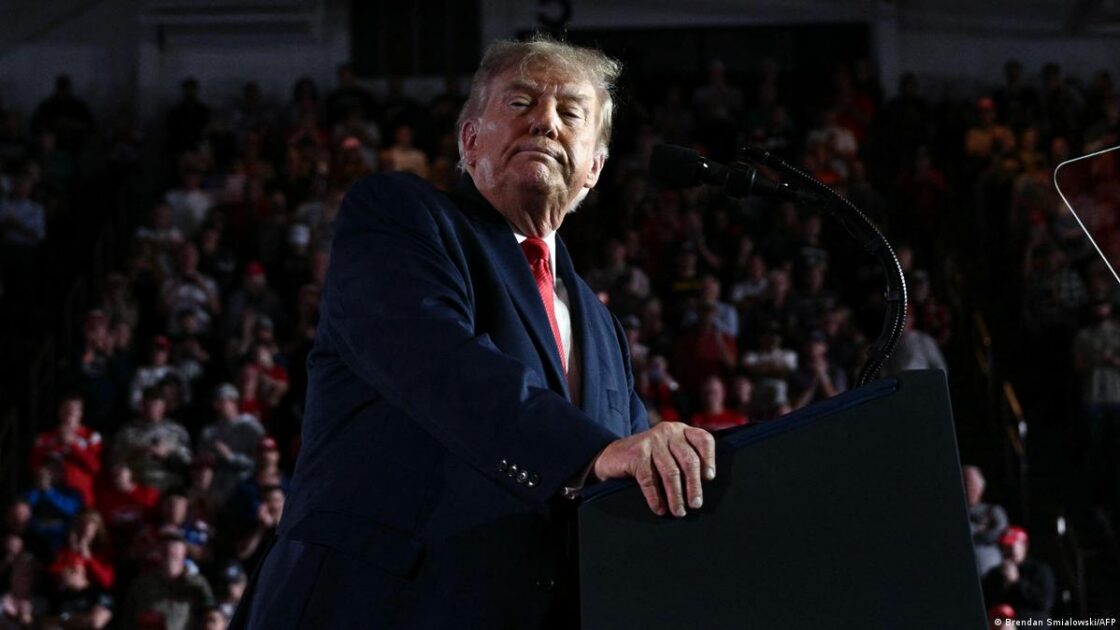
Following the defeat, Donald Trump has used his Truth Social platform to deflect responsibility. However, this stance is unlikely to satisfy all members of the Republican Party. Critics who were previously marginalized may now feel empowered to challenge the party’s current direction. As Trump is legally barred from seeking a third term in 2028, the party must now navigate a search for new leadership and a revised policy platform, making an internal power struggle over the future of “Trumpism” increasingly likely.
Implications for Iran policy
Economic concerns, particularly the rising cost of living, proved to be a decisive factor for many voters. The financial strain associated with foreign conflicts, including the war against Iran, has contributed to higher energy prices and domestic dissatisfaction. This environment may increase pressure on the Trump administration to pursue a lasting agreement with Iran. Additionally, Trump’s recent announcement regarding the cessation of billions in military aid to Israel—a deal already set to expire in two years—suggests a broader interest in reducing foreign policy expenditures that have become politically contentious.
Shifts in trans-Atlantic relations
The election outcome is expected to influence the relationship between the United States and Europe. Ian Lesser, an expert on US foreign and security policy at the German Marshall Fund, told DW that the results could lead to a more predictable and trust-based dialogue. With control of Congress, Democrats can exert influence over NATO policy, military funding, and budget decisions, potentially complicating efforts to reduce US support for international commitments. Cooperation on climate and environmental issues may also become more feasible.
Despite these potential improvements, some challenges remain. Lesser noted that while Congress is likely to push back against new, aggressive tariff measures, existing trade barriers may be harder to dismantle due to entrenched domestic interests.