Table of Contents
Democratic candidates secured a sweeping victory in the 2026 United States midterm elections, capturing majorities in both the House of Representatives and the Senate in what pollsters described as a massive political wave. By Wednesday morning, the party had achieved a dominant position in Washington, upending decades-old political strongholds and surprising political analysts.
Historic Gains in Congress
Beginning in January, Democrats are set to command at least 237 seats to 139 in the House, alongside a 54 to 44 advantage in the Senate. Democratic candidates successfully flipped seven competitive Senate seats, including districts in red states that had reliably voted Republican for decades.
According to the New York Times, Democrats achieved a 13-point popular vote margin over Republicans in the House, marking the largest margin since 1976 following the Watergate scandal. While some closely contested races remained too close to call as ballots continued to be counted, Democrats registered significant gains across almost every demographic compared to the 2024 presidential election.
Referendum on Trump and Rising Costs
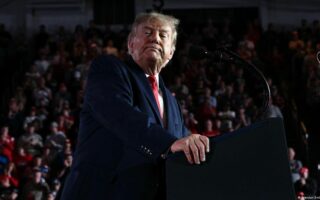
DW.com reported that the midterms functioned as a direct referendum on President Donald Trump, whose approval ratings hovered near 38% prior to the election. Despite heavy campaigning by the president, Democrats capitalized on public frustration over unpopular policies, including the war in Iran, soaring fuel costs, and a broader affordability crisis.
Democratic House leader Hakeem Jeffries stated that his party would focus on lowering costs for fuel, groceries, and healthcare while pursuing rigorous oversight of the administration. “The days of the House of Representatives functioning like a wholly-owned subsidiary of the Trump administration are over,” Jeffries said, according to DW.com. While Democrats fell short of a two-thirds supermajority needed to convict in impeachment trials or override presidential vetoes, the party announced plans for a 100-day legislative agenda.
Republican Fallout and Reactions
President Trump did not contest the election results, asserting instead that Republicans would have secured a victory had his name appeared on the ballot. He expressed a willingness to collaborate with Democrats while vowing to utilize his executive veto power.
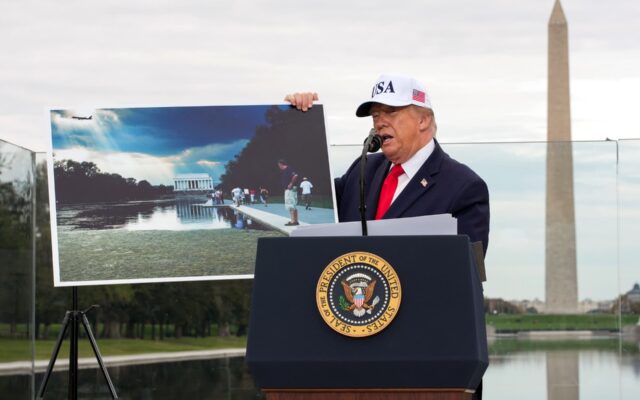
During remarks outside a White House construction site, Trump acknowledged that economic fallout played a role in the defeat, stating, “I think it’s largely true because it drove the gasoline up a little bit short term,” as reported by DW.com. Vice President JD Vance offered a more direct assessment earlier on Wednesday, identifying the Iran war as the primary reason for the electoral loss.