Table of Contents
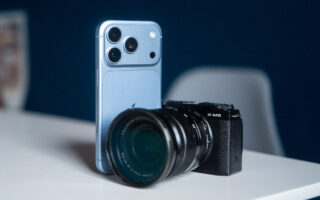
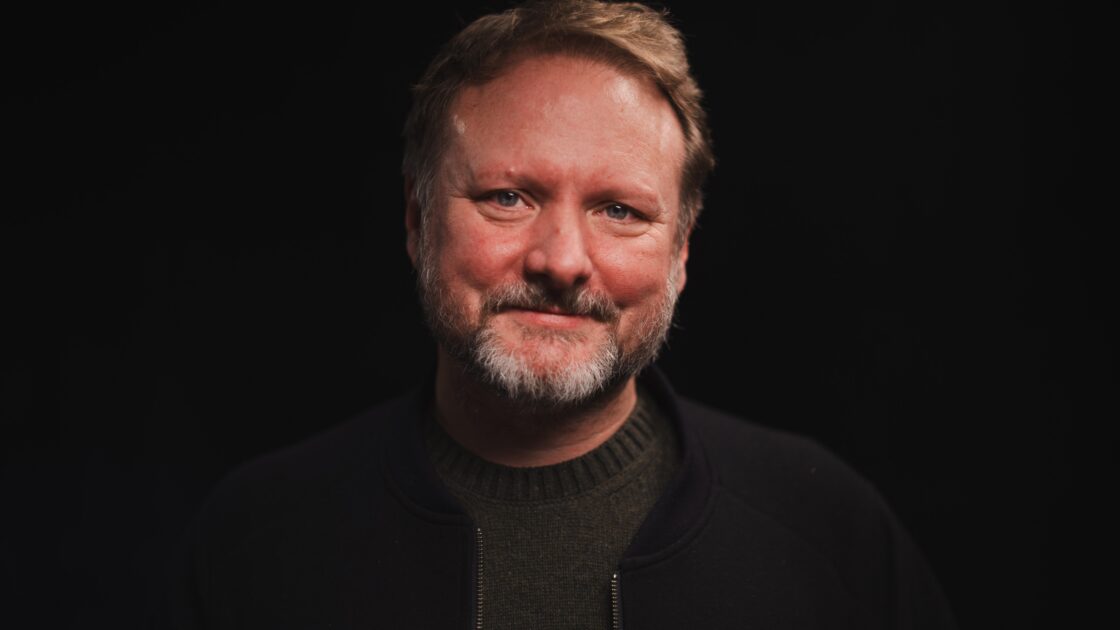
Renowned film director Rian Johnson, known for his work on Knives Out and The Last Jedi, has released a $13 iOS application called Chromagraph Camera. Developed alongside his longtime cinematographer Steve Yedlin, the app bypasses standard Apple image processing to apply the exact color grades used in Johnson’s motion pictures.
From Analog Devotee to Phone Tinkering
While Johnson frequently carries a Leica M6 on set for analog documentation, he often finds smartphones more convenient for everyday use. His fascination with mobile photography dates back to pre-smartphone eras when he purchased an early Nokia device advertised primarily for its built-in camera. Although the image quality was poor, he appreciated the resulting grainy, contrasty, and funky aesthetic.
As computational photography advanced, default smartphone images became sharper, brighter, and more clinical, leading to a loss of character. Initial attempts to achieve his desired look involved shooting with default iPhone settings and editing in Snapseed, followed by a transition to third-party RAW apps that required tedious file management and endless slider adjustments.
Developing the Chromagraph App
Yedlin previously created color grading scripts to give Johnson’s films an organic celluloid look, which eventually expanded to cover RAW files and film scans. This success inspired Johnson to bring the pipeline to mobile platforms. Johnson stated as reported by The Verge, “I knew he could do it. I called Steve up and bullied him… I kept saying, ‘Can we do it for iPhone photos?’”
Chromagraph Camera functions as both a capture device and an editor, featuring settings for maximum exposure time, burst mode, and color tuning. Users can also import previously shot RAW images to apply Yedlin’s film-like processing, with additional options for tone, color, saturation, and texture adjustments.
Early Reception and Analog Passions
Although smartphone manufacturers have recently introduced tools to add character—such as Apple adding texture controls to the iPhone 18 Pro and Google adding Camera Looks to the Pixel 11—they lack the deep control of starting with raw data. Chromagraph went viral over the weekend as early users praised its results over default software.
Despite successfully improving his smartphone workflow, Johnson continues exploring older photographic techniques, including 8 x 10 wet plate photography and operating his own darkroom. Describing his ongoing analog experiments, Johnson told The Verge, “It’s like nerd fishing. It’s about the actual process of doing it for me.”