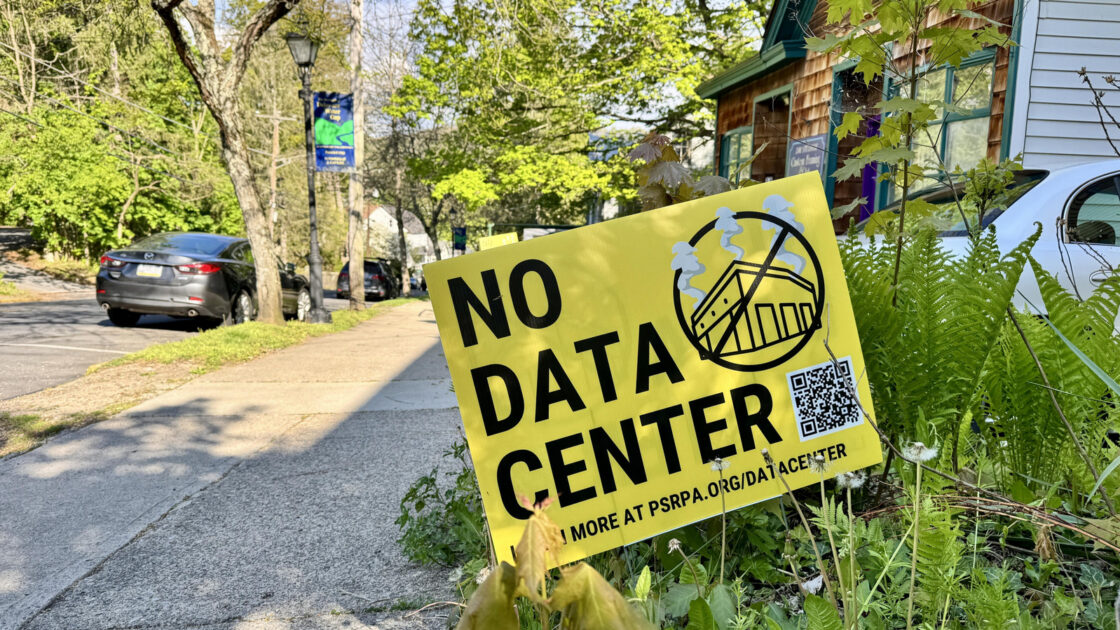
American voters overwhelmingly rejected the rapid expansion of the country’s data center infrastructure during local elections held across ten states. Tracking data indicates that communities are pushing back against the massive facilities required for modern technology.
Ballot Measures and Local Restrictions
Data centers appeared on 45 separate ballot measures across 10 states as voters headed to the polls. According to tracking website Data Centers on the Ballot, 33 measures aimed at restricting these facilities had passed by early Wednesday morning, with an additional six projected to succeed. Only a single municipality, the City of Harwood in North Dakota, voted against an amendment that would have required public hearings for large industrial projects such as 100-megawatt data centers.
The successful measures encompassed a wide range of restrictions, including permanent outright bans, temporary moratoriums, limits on energy consumption, and requirements for public approval before projects could proceed. Five localities had not yet reported voting data.
Strong Rejection in Ohio and Political Impact
The pushback was particularly pronounced in Ohio, which currently hosts 257 data centers. Voters considered 20 ballot measures regarding the facilities across the state, and every single restriction either passed or is projected to pass. Cities like Urbana and Hubbard saw decisive votes for outright bans, with residents approving the measures by margins of 76 and 77 percent, respectively.
The sentiment also influenced broader political contests. In the state’s US Senate race, Democrat Sherrod Brown centered his campaign on opposition to data centers, targeting his opponent Senator Jon Husted over the state’s high concentration of the facilities. The Associated Press declared Brown the winner. Nationally, an NBC exit poll reported that 56 percent of voters considered AI and data centers to be a crucial or major factor in their congressional votes.