Table of Contents
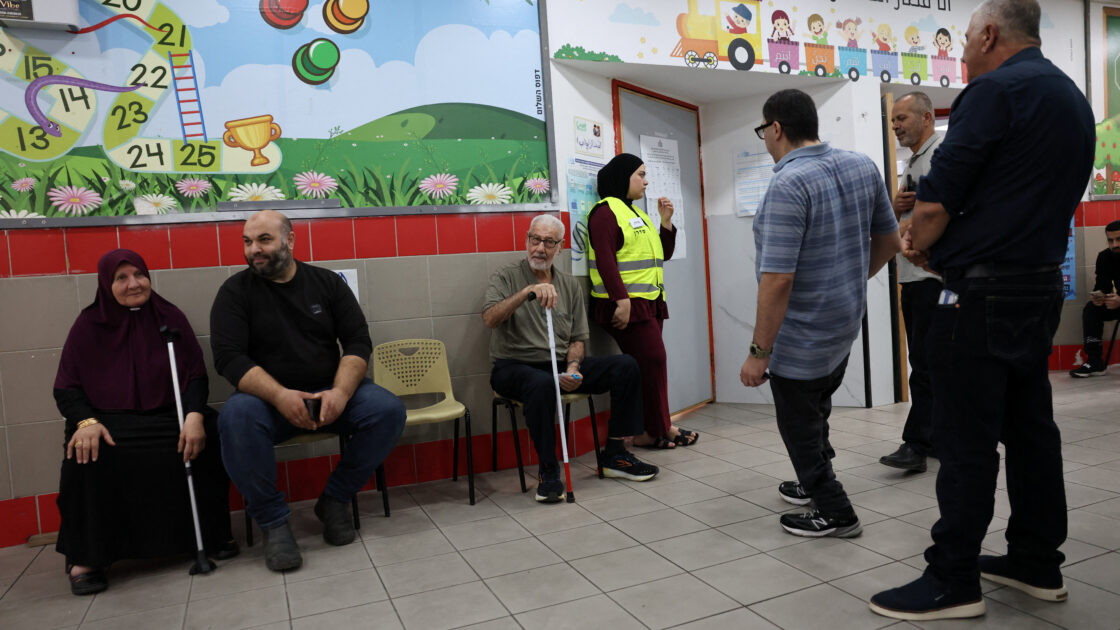
During the October 27 Israeli elections, Palestinian citizens turned out in unprecedented numbers, with roughly 80 percent casting a vote. This high participation helped secure a historic 19 seats in the Knesset for the two Arab-led parties that supported peace, equality, and an end to the occupation.
Formal Inclusion and Political Dilemmas
The remarkable turnout contributed directly to Prime Minister Benjamin Netanyahu’s failure to secure a majority, as his bloc won 53 seats while the Jewish-led opposition claimed 48. This outcome highlighted a central question in Israeli politics: what happens when citizens who are informally isolated yet formally equal become powerful enough to influence who governs?
Historically, Palestinian electoral participation has heavily impacted election results. In 1999, Arab turnout reached approximately 75 percent, supporting Ehud Barak against Netanyahu. However, after the outbreak of the second Intifada and the killing of 13 Palestinian citizens by Israeli police, voter turnout plummeted to about 19 percent in 2001, allowing Ariel Sharon to win.
Despite their potential influence, Palestinian parties have long faced exclusion, with Jewish-led parties refusing to form governments with them. In April 2021, far-right politician Bezalel Smotrich rejected Netanyahu’s attempt to form a government supported by the Palestinian party Ra’am, arguing it would enable the left to return to power. Ra’am eventually joined a short-lived coalition led by Naftali Bennett and Yair Lapid, making significant concessions on national issues and recognizing Israel as a Jewish state in exchange for focusing on socioeconomic concerns. That coalition eventually collapsed when two members resigned over sitting with Palestinian representatives, prompting Netanyahu to work to delegitimize Palestinian political representation.
Intensified Incitement and Restrictions
Following October 7, 2023, Palestinian citizens faced a sharp contraction of political space, with students undergoing disciplinary proceedings for social media posts, employees losing jobs, and antiwar speech prompting police investigations. The Central Elections Committee attempted to ban both Palestinian electoral lists and lawmakers Ofer Cassif and Sami Abu Shehadeh, though the Supreme Court later reversed these bans.
According to an analysis by media outlet Arabic Post of more than 10,000 election-related social media items, 40 percent of posts by candidates from Netanyahu’s camp concerned Arabs or Palestinians, and 94 percent of those were hostile. Additionally, police raided the homes of Ra’am activists in the Negev over suspected electoral bribery, resulting in three arrests before all men were released after questions regarding the strength of the evidence.
Despite years of repression, Palestinian citizens organized and voted in massive numbers. However, the parties they supported face complete isolation unless they meet strict conditions set by the Jewish-led opposition, which include recognizing Israel as exclusively Jewish, labeling Hamas a terrorist organization, and accepting compulsory military or national service.
Fears of Voter Suppression
The pro-Netanyahu camp has responded to the election results with intense incitement, alleging that the election was stolen. Former Deputy Knesset Speaker Moshe Feiglin described the Palestinian electoral mobilization as the October 7 of Israeli politics, while the prime minister’s son, Yair Netanyahu, labeled Palestinian citizens of Israel the greatest danger to the state’s survival alongside the Iranian nuclear threat.
These developments have sparked fears among Palestinian citizens that their political success will invite further intimidation and violence rather than recognition. A July survey by the Israel Democracy Institute revealed that only 46 percent of respondents in the right-wing Jewish camp supported the right of Palestinian citizens to vote.
With growing sentiment among Jewish Israelis that the state can act with little restraint, analysts suggest that a bill aimed strictly at restricting Palestinian voting rights could soon be introduced in the next Knesset.