Table of Contents
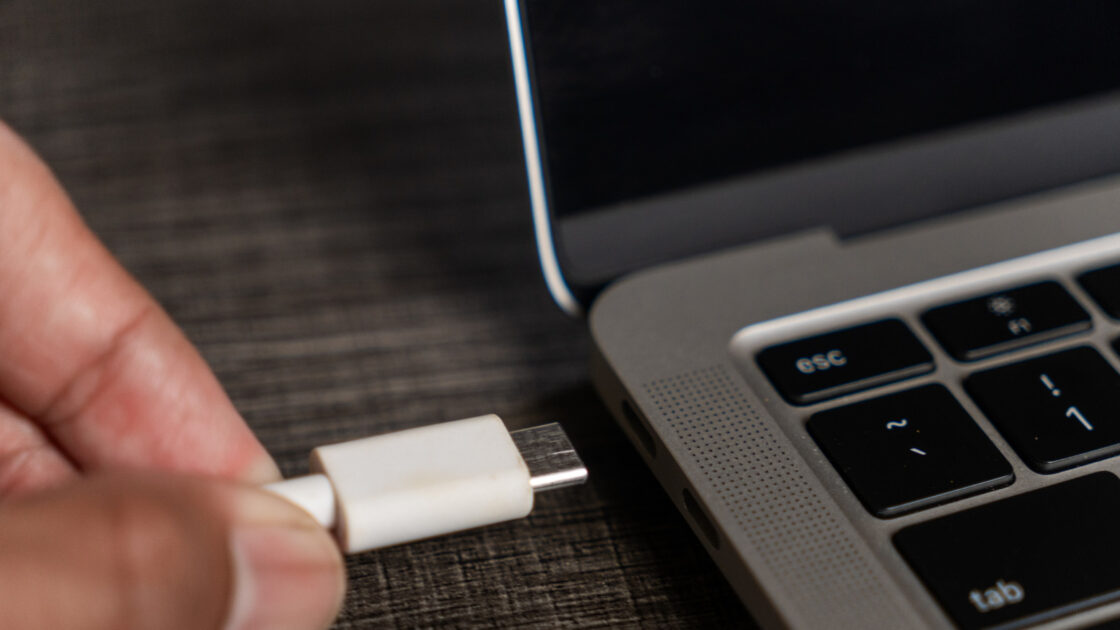
Waterproof USB-C cables are widely available from online retailers, but shoppers must learn to recognize which products genuinely offer protection against liquids. These specialized cables typically feature seals to protect the connection and come in various configurations, including male, female, and angled designs.
Understanding Ingress Protection Ratings
To determine if a cable is waterproof, buyers should look for the Ingress Protection code developed by the International Electrotechnical Commission under the IEC 60529 standard. The first digit in this rating indicates dust resistance, while the second digit shows water protection.
Waterproof USB-C cables should feature either an IP67 or an IP68 rating. These products are generally utilized in demanding settings such as construction sites, manufacturing plants, maritime operations, and electric vehicle charging systems where exposure to weather and moisture is common.
An IP67 rating indicates a dust-tight cable capable of surviving immersion in up to one meter of water for a maximum of 30 minutes. Meanwhile, an IP68 rating denotes a dust-tight cable designed for continuous immersion beyond one meter, with exact limits varying by manufacturer.
Risks of Water Exposure and Cable Protection
The standard USB-C specification does not include water resistance, meaning ordinary cables carry significant risks when exposed to moisture. Because a USB-C connector packs 24 internal contacts to handle high-speed data and power, liquid ingress can trigger short circuits that damage connected equipment. Long-term moisture exposure can also cause contact corrosion, and short-circuited wet cables can overheat and potentially start a fire. Users should never plug a wet cable into any device, even if the cable is rated as waterproof.
Manufacturers typically achieve protection using silicone rubber seals, gaskets, or locking collars around the connector. Some options utilize threaded bayonet couplings with rubber seals that compress when tightened to form a watertight bond. Heavy-duty cables meant for prolonged water exposure often use neoprene, while industrial applications requiring chemical resistance may rely on fluoroelastomer.
Drying and Purchasing Waterproof Cables
If a cable gets wet, users can typically use it safely again once it dries completely, provided there is no corrosion on the contacts. To dry a cable properly, individuals should unplug it, shake the connector ends to expel trapped water, and leave it to air dry for 24 to 48 hours. Using a hair dryer can damage the cable with excessive heat, while putting it in rice can introduce dust and grit into the connector. Any cable that becomes hot during use after drying should be replaced immediately.
Brands offering waterproof cables include Atlavox, Yale, and industrial-grade manufacturer L-Com, with products available on Amazon and at various technology and DIY retailers. Basic waterproof options cost around ten dollars, whereas ultra-rugged versions designed for extreme environments can cost ten times more. Consumers should always verify the official IP rating before purchasing to ensure the cable meets their specific requirements.