Table of Contents
Artificial intelligence could potentially be misused to develop biological weapons, raising concerns among scientists, security services, and international organizations. Ongoing developments in biotechnology allow pathogens to be analyzed and altered with increasing precision, while AI can evaluate vast quantities of data at astonishing speeds.
Risks of Misuse in Modern Research
Security services are closely monitoring these developments. In October 2026, Ken McCallum, head of the British domestic intelligence service MI5, warned that artificial intelligence could increase the risk from existing or new biological weapons, including threats from non-state actors.
A report published by the American AI company Anthropic in September 2026 highlighted the topicality of the debate. Anthropic stated that it had identified and blocked numerous attempts to use its AI assistant Claude in connection with possible biological weapon research. These attempts reportedly included grant applications for gain-of-function research and projects studying avian influenza variants that were potentially the most transmissible to mammals.
At the same time, Anthropic emphasized that such research can also relate to medical prevention despite its potential military applications. This thin line between legitimate science and potential misuse represents a major challenge for controlling modern biotechnologies.
Defining Biological Weapons
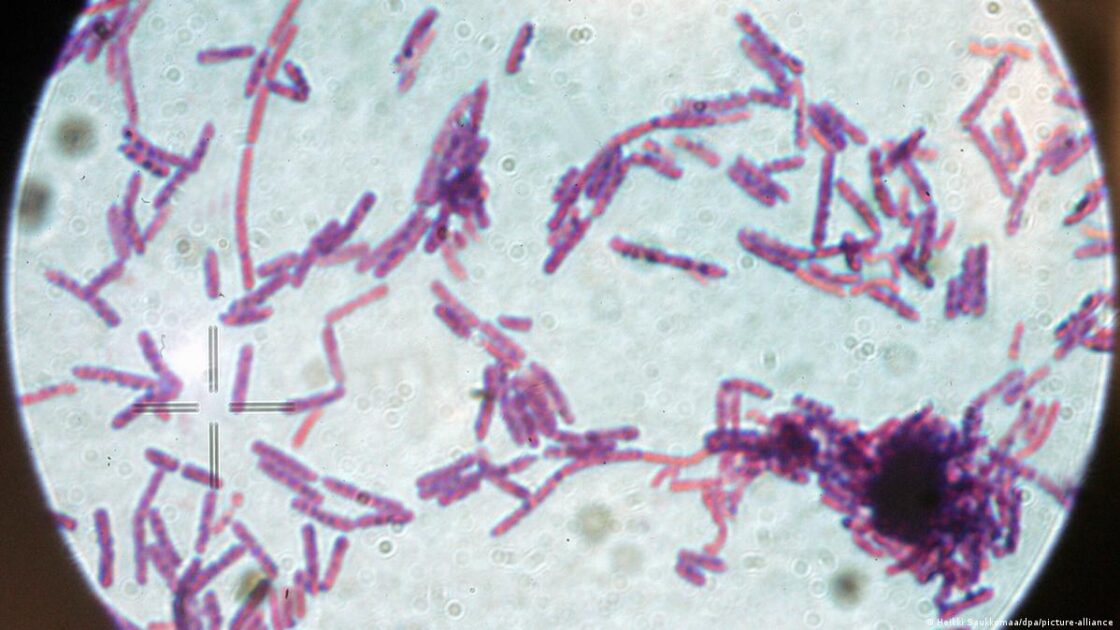
Pathogens such as bacteria, viruses, fungi, and specific biological toxins have the potential to be weaponized. While familiar diseases include plague, smallpox, and botulinum toxin, anthrax remains one of the most notorious biological agents due to its resistant spores and its historical focus in state biological weapons programs.
The World Health Organization (WHO) and the United Nations Office for Disarmament Affairs define a biological weapon as the targeted release of such biological substances to injure people, animals, or plants. These weapons typically consist of two components: the biological substance or agent, and a delivery mechanism such as missiles, spraying systems, or contaminated food. Biological weapons form part of the ABC weapons category, alongside atomic and chemical weapons, and are often classified as weapons of mass destruction.
Biological and chemical weapons differ fundamentally in their mode of operation. Chemical weapons injure through the toxic effects of substances like sarin or mustard gas, taking effect within minutes or seconds. Conversely, biological weapons cause infectious diseases, with effects appearing hours, days, or weeks after deployment. Because some pathogens can spread from person to person, the outcome of a biological attack is particularly difficult to predict.
International Bans and Control Challenges
Biological weapons are prohibited under international law. The Biological Weapons Convention (BWC), which entered into force in 1975 and has been ratified by 189 countries, bans the development, stockpiling, acquisition, retention, production, and transfer of biological and toxin-based weapons. It builds upon the Geneva Protocol of 1925, which prohibited the use of biological weapons in warfare. Israel, Egypt, and Syria are among the few nations that have not signed or ratified the agreement. Member states are committed to destroying all stocks, production sites, and means of conveyance.
Unlike chemical weapons, which are monitored by the Organization for the Prohibition of Chemical Weapons (OPCW) through inspections and stock destruction, biological weapons lack a comparable control system. States fear that inspections could expose sensitive research data related to medicine, biotechnology, or the pharmaceutical industry. Consequently, biological weapon control relies heavily on transparency, voluntary reporting, and good faith.
A prominent example of the limitations of the ban occurred in the United States in 2001, when letters containing anthrax spores were mailed weeks after the September 11 attacks, infecting 22 people and causing five deaths.
The Dual-Use Dilemma
Detecting biological weapons programs is significantly harder than monitoring nuclear or chemical production because many relevant technologies possess civilian applications. Laboratory equipment used for developing vaccines and medicines can theoretically be utilized for military research, a challenge experts refer to as the dual-use problem.
Furthermore, a biological attack can initially resemble a natural disease outbreak, often requiring extensive investigation to determine whether a pathogen was released deliberately. Throughout history, methods ranging from well poisoning to launching plague victim corpses over besieged town walls have been attempted, though their historical effectiveness remains disputed.