Table of Contents
British officials insisted that discussions regarding slavery reparations should not be included on the official agenda for the Commonwealth leaders’ summit in Antigua and Barbuda, according to a leading Caribbean political figure. Ralph Gonsalves, a former prime minister of St Vincent and the Grenadines, stated that the UK was vehement about keeping the topic off the table and even warned that Andy Burnham would not attend if the issue was formally incorporated.
Resistance and Allegations Over Agenda Inclusion
Speaking to World news | The Guardian (theguardian.com), Gonsalves stated that British and Canadian officials raised the prospect of a British boycott if reparations were formally added. He added that UK officials also circulated claims that India opposed discussing the matter, which he described as entirely untrue given India’s support for a UN General Assembly resolution on March 25th, 2026.
The 56-nation bloc summit, beginning on Sunday, officially focuses on trade, climate resilience, finance, sustainable debt, democracy, and investment in young people. Gonsalves noted that relentless campaigning by Caribbean nations, along with pressure within the British parliament and the Labour party, propelled reparatory justice to the political forefront regardless of the formal agenda.
An FCDO spokesperson strongly denied the claims, stating: “We categorically reject this completely untrue accusation. The UK has approached this conversation in good faith, and we have at no point told any other Chogm member what should not be on an agenda. Our position on reparations is clear but this government respects the right of others to raise matters as they wish.”
Shift in British Position and Regional Responses
Prof Sir Hilary Beckles, chair of the Caricom Reparations Commission, characterized the gathering as the Chogm of reparations. A historic shift occurred when the British prime minister went further than any predecessor by agreeing to structured dialogue and to consider an apology in a Guardian op-ed.
Guyana’s president, Irfaan Ali, welcomed the statement and proposed a Commonwealth subcommittee to manage the next six to 12 months of talks, emphasizing development gaps in health, education, social services, and infrastructure over pricing slavery’s indignity. Barbados prime minister Mia Mottley thanked Burnham for breaking new ground while noting differing views, pointing to an apology, investment in education and health, and fairer debt terms as areas of potential agreement. The Bahamas prime minister, Philip Davis, stressed that the talks address enduring consequences and justice rather than mere historical remembrance.
Protests and Ongoing Divisions Ahead of Sunday
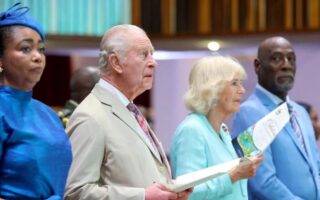
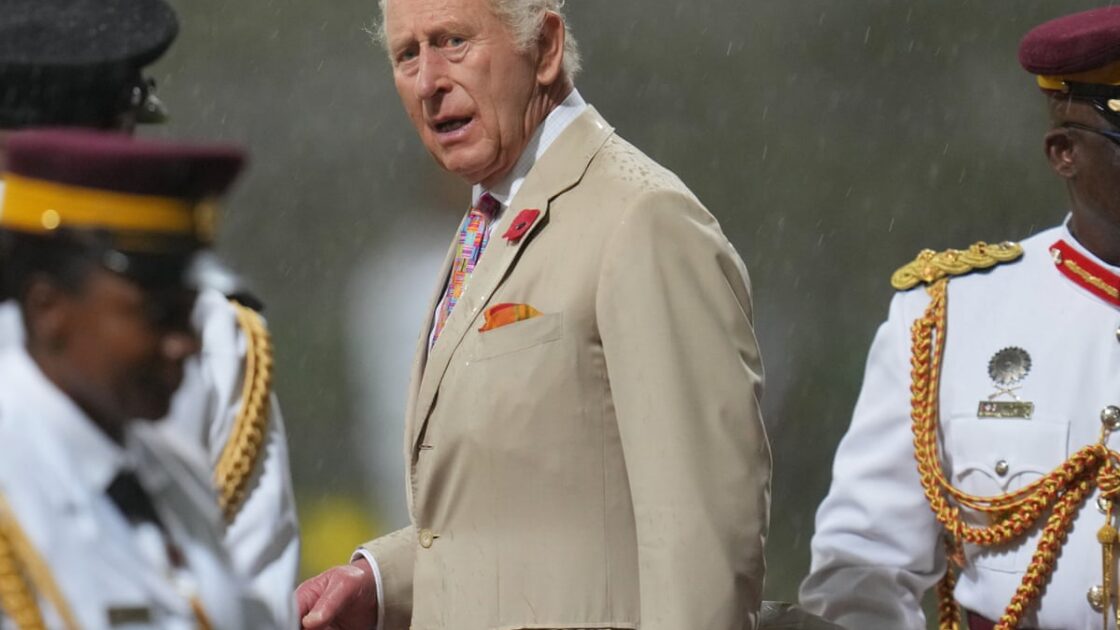
As the summit begins on Sunday—coinciding with the 45th anniversary of Antigua and Barbuda’s independence from British rule—King Charles is reportedly not planning to offer a full apology. King Charles and Burnham will face protests, billboards, placards, and a candlelight vigil in St John’s calling for apologies and redress.
Kemi Badenoch told broadcasters on Sunday that an apology would amount to a navel-gazing distraction, calling slavery an evil involving every continent and region. Responding to these remarks, Gonsalves stated he would welcome the chance to sit down with her to explain the concept and discuss how reparatory justice could heal fractures linked to Britain’s ethnic tensions.