Table of Contents
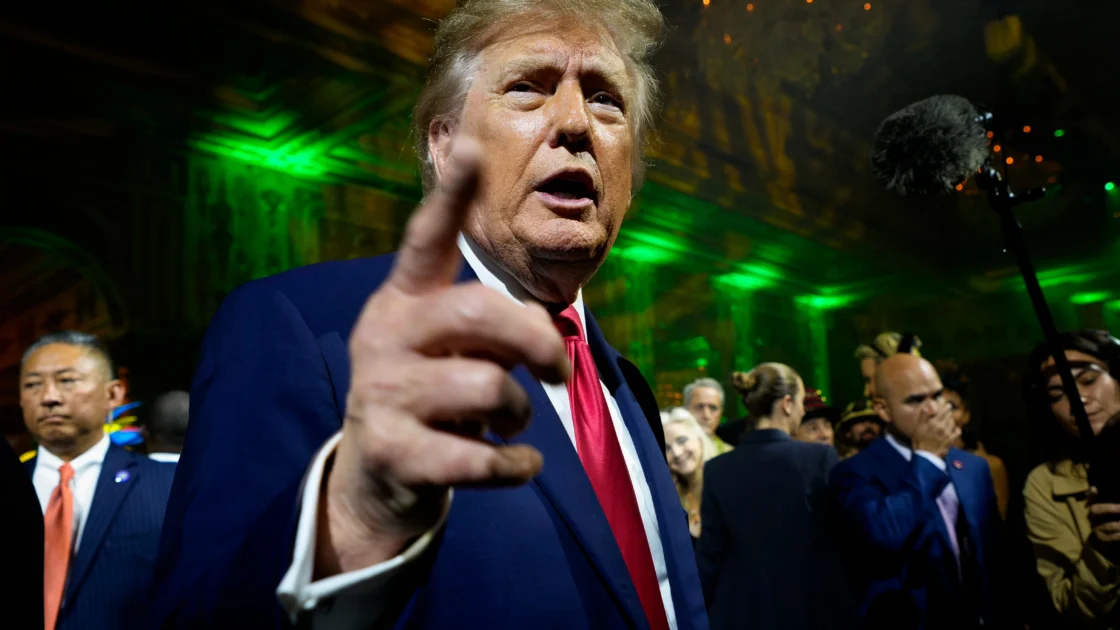
President Donald Trump is confronting record-low approval ratings and intense political opposition as the United States approaches the 2026 midterm elections. Although voters elected Trump in 2024 with a mandate to reduce prices, inflation continues to outpace wages, and voters are holding him directly responsible for rising costs and energy prices driven by his tariffs and the war with Iran.
Economic Strain and Political Discontent
The national economy remains deeply divided, with wealthy Americans benefiting from surging stock portfolios tied to artificial intelligence companies. Meanwhile, ordinary citizens face a middling labor market, rising interest rates that complicate home and car purchases, and frustration with AI data centers. According to an NPR/PBS News/Marist poll, 44 percent of respondents stated their finances have mostly stayed the same, 38 percent reported worsening economic situations, and only 15 percent noted improvement. Public anger has also been fueled by hard-line immigration enforcement, cuts to domestic healthcare programs like Medicaid, and reductions in government regulations and personnel.
Historically, the president’s party nearly always loses ground in midterms, averaging a loss of 26 House seats. When a president’s approval rating sits below 50 percent, as Trump’s does, that average jumps to 35 seats lost. Republicans also face fallout from the unpopular war with Iran, which has driven up gas prices, while Democrats have maintained strong momentum following successes in special elections and off-year contests in 2025.
Structural Advantages and Party Challenges
Despite strong Democratic momentum and a favored position to reclaim the House while pushing for the Senate, structural factors may limit their overall gains. The Cook Political Report indicates there are roughly 30 fewer competitive districts this year compared to 2018. Furthermore, mid-decade redistricting pushed by Trump has granted Republicans an estimated net advantage of eight seats, though outcomes among Latino voters in South Texas could alter that projection.
While the Republican Party faces severe headwinds, the Democratic Party also grapples with internal restiveness and discontent among portions of its base. Nevertheless, self-identified democratic socialists are highly engaged and motivated to vote against Trump as a check on his administration. Forty-four percent of poll respondents described their vote as a rejection of Trump, compared to just 21 percent who viewed it as support.
Election Night Expectations and Voting Integrity
Turnout remains the critical variable, prompting Trump to campaign in red states to mobilize his base. Analysts warn that a tight Senate control battle could leave election results uncertain for days or weeks. Trump has already laid the groundwork to claim the elections are rigged if results do not favor his party.
While polling indicates that the vast majority of voters across political parties believe their states will conduct fair elections and expect candidates to accept the outcomes, a quarter of Republican respondents stated their preferred candidate should not accept unfavorable results. With Republican candidates largely scrubbing Trump’s name from their general election advertisements after heavily featuring him in primaries, the former businessman remains a polarizing force whose enduring support among his base contrasts sharply with declining backing among swing voters.