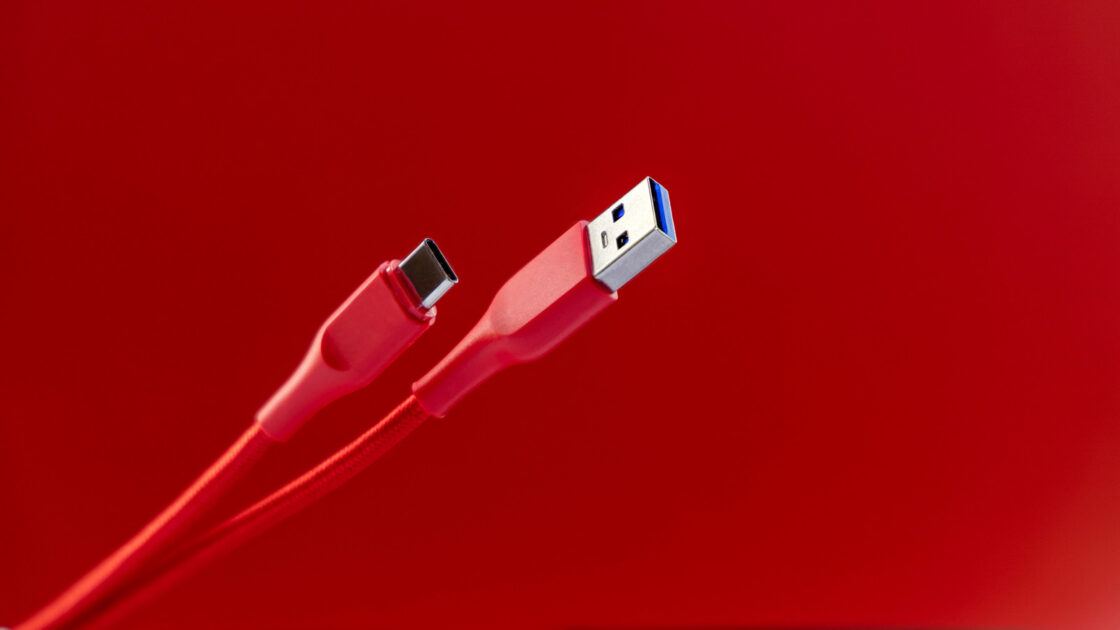
While Universal Serial Bus connections are generally simple to use, physical cable length plays a crucial role in maintaining reliable device performance. As reported by Engadget, official guidance from the USB Implementers Forum demonstrates that newer, faster USB standards actually require much shorter cables to deliver peak transfer speeds and power delivery.
Official Length Limits Across USB Generations
The USB Implementers Forum, the industry group that sets USB specifications, establishes recommended maximum lengths for different hardware generations regardless of whether the physical connector is USB-A or USB-C. Older USB 1.0 and 2.0 standards support cable runs of up to 16.4 feet. However, as data speeds increased with USB 3.0 through USB 3.2, the recommended maximum length decreased to 9.8 feet. The high-speed USB 4 standard faces even tighter physical constraints, with a recommended limit of just 2.6 feet.
Because the USB Implementers Forum acts as an industry trade group rather than a government regulator, manufacturers remain free to produce cables longer than these guidelines. However, electrical resistance degrades signals as they travel through longer wires, and longer cables face a higher risk of physical damage. Exceeding recommended lengths typically does not cause a total connection failure, but it can noticeably drop data transfer rates and reduce power delivery to connected equipment.
Solutions for Extending USB Connectivity
For setups where moving devices closer together is not feasible, specialized hardware can help bridge the distance. Users can purchase active USB cables or active extenders, which feature internal electronic components designed to boost and regenerate the signal over longer spans. However, active cables are more costly than standard pass-through wires, consume additional power from the host USB port, and may not operate properly with older hardware ports.
Using an external powered USB hub serves as another solution for extending reach. By placing a powered hub at the end of the longest supported standard cable, users can expand their setup without relying on an unpowered port that might deliver inconsistent performance.