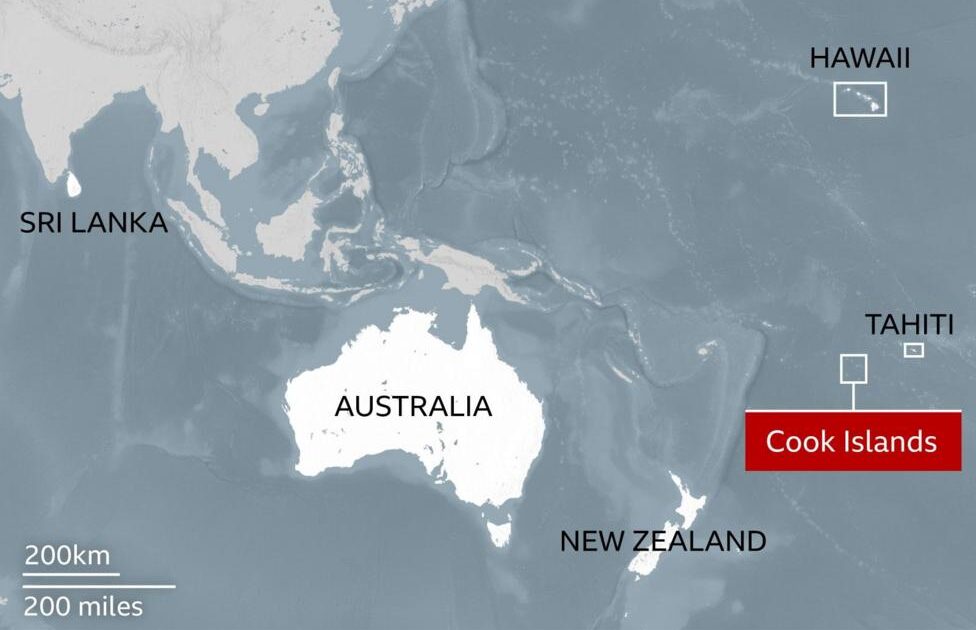
Leaving Sri Lanka nearly a decade ago, 50-year-old Ruchira Ranasingha never expected to become stranded on a remote archipelago in the South Pacific. She has now been stuck in the Cook Islands for three years, telling BBC News she is desperate to return home and has even offered to travel handcuffed and bound.
Flawed Advice Leads to Stranded Status
Ranasingha initially moved to New Zealand hoping to settle down after closing her small T-shirt factory in Sri Lanka due to financial distress and threats from lenders. Her husband, a drug addict, died about seven years ago, and she spent time working as a domestic caregiver in Hong Kong before heading to New Zealand on a visit visa in December 2022. As that visa neared expiration, an immigration interpreter helped her apply for asylum based on the threats she faced in her home country. She received an open work visa and found a job at a restaurant willing to sponsor an employment visa.
However, because asylum seekers generally cannot apply for other visas while their applications are processed locally, the request was declined. She then contacted Immigration & Secretarial Services, whose manager Sylviane Gallant advised her that a fresh employment visa application could be filed from overseas, according to email correspondence seen by BBC News. Trusting this guidance, Ranasingha flew to the Cook Islands, only for the new visa application to be rejected. By leaving New Zealand, she violated the terms of her existing visa, and New Zealand authorities barred her from receiving any future visas.
Gallant eventually admitted the situation was her fault and told her there was nothing more she could do, according to Ranasingha. When she attempted to board an Air New Zealand flight home with a purchased ticket, she was blocked from boarding because she lacked a New Zealand transit visa.
Denied Visas and Alternative Routes
Ranasingha has since faced multiple rejections for New Zealand and Australian transit visas. Immigration New Zealand stated her applications were declined because authorities were not convinced she had a genuine intention to transit rather than stay. A representative for the New Zealand immigration minister’s office explained that extreme measures like handcuffing and escorting do not stop individuals from making an asylum claim. Australia’s interior ministry declined to comment on individual cases, noting that travelers must meet strict migration requirements.
When New Zealand suggested exploring other routes, Ranasingha contacted authorities in Hawaii and Tahiti, but both destinations required her to provide biometric information in person in New Zealand. Auckland-based immigration law specialist Alastair McClymont told BBC News that Ranasingha received terrible advice from a so-called immigration consultant who charged thousands of New Zealand dollars without understanding the risks. McClymont added that authorities likely refuse the transit visa because her previous asylum claim indicates she does not intend to return to Sri Lanka, leaving her with no viable transit route.
Despite being stuck, Ranasingha has found support from a local hotel providing free staff accommodation, friendly residents offering food and clothing, and a hotel director who gave her a sewing machine to earn a small income. Nevertheless, the prolonged ordeal has heavily impacted her mental and physical health.
Sri Lanka’s foreign ministry told BBC News that officials at the Sri Lankan High Commission in Wellington and local authorities are working closely with the Ministry of Foreign Affairs to facilitate her return. Meanwhile, her family continues to explore every possible avenue, with her brother telling BBC Sinhala that her mental state is deteriorating rapidly under the immense stress.