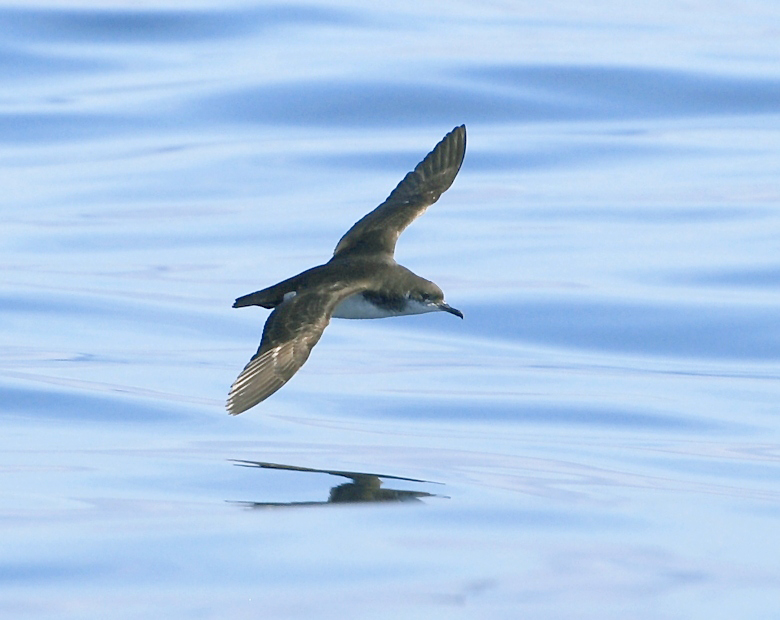
Traveling across time zones typically triggers jet lag in humans, but recent research shows this phenomenon also affects seabirds. A study published in Science reveals that Manx shearwaters experience jet lag during long ocean journeys, which directly impacts their ability to navigate.
The Navigation Challenges of Manx Shearwaters
Patrick Lewin, a behavioral and sensory ecologist at the University of Oxford and lead author of the study, described the subjects as medium-sized birds comparable to pigeons. They feature white underbellies and black backs with very long wings, sharing a close relation to albatrosses. These birds establish their nests in burrows on coastal islands across the North Atlantic, with the majority breeding near the UK and Ireland while roughly half the population resides in Wales.
From these nesting sites, the birds travel anywhere from dozens to over 1,000 kilometers into the Atlantic to feed. Researchers believe shearwaters determine their current location using a map sense, potentially relying on scents, before utilizing the Sun as a compass to guide their direction home.
How Jet Lag Affects Sun-Based Navigation
Because the Sun shifts across the sky throughout the day, using it for navigation presents a challenge. Lewin explained that an animal or human traveling south must continuously adjust its angle relative to the Sun, moving clockwise at sunrise, heading directly toward it at midday, and moving anticlockwise by sunset. Successful sun-based navigation depends on an internal clock to track the time of day, a feature found in nearly all animals, though the internal clock of Manx shearwaters has limitations.