Table of Contents
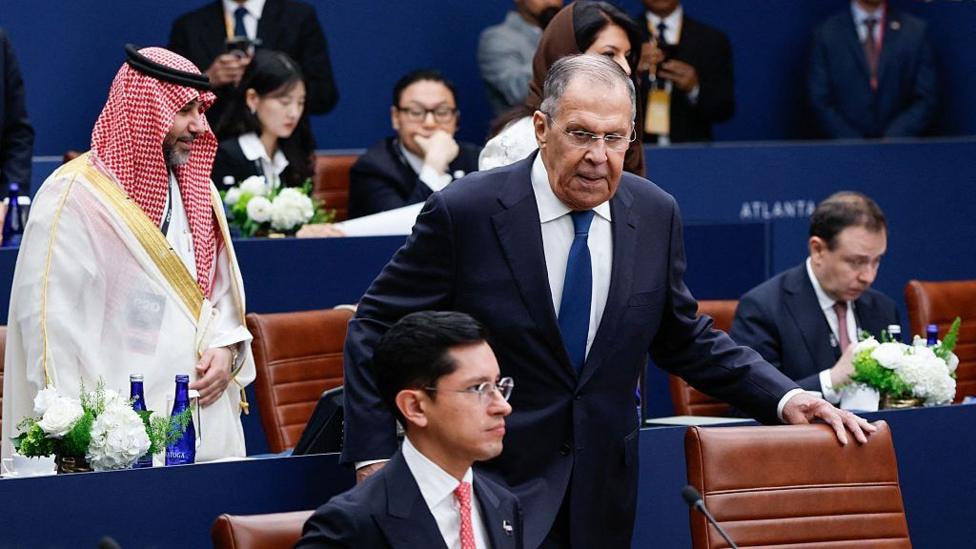
The traditional family photo at the G20 Foreign Ministers’ Meeting was cancelled after European diplomats refused to stand alongside Russian Foreign Minister Sergei Lavrov. American hosts decided to scrap the picture following pushback from several participating delegations.
Diplomatic Tensions at the Atlanta Summit
Two officials confirmed to BBC News that the scheduled Friday photo session, which typically features representatives from all attending nations, was called off. A US official explained that the decision was made because it became clear that certain delegations were unwilling to participate in a joint picture.
The official added that rather than allowing a ceremonial photo opportunity to turn into a diplomatic distraction, the United States chose to forgo the picture and maintain focus on substantive discussions. The meeting is being hosted in Atlanta by US Secretary of State Marco Rubio.
Direct Confrontation and UK Stance
During the summit, UK Foreign Secretary Ed Miliband confronted his Russian counterpart directly, accusing Moscow’s government of killing innocent civilians in Ukraine. Miliband stated at the meeting that member countries must work harder to secure a just and lasting peace, noting that Russia’s war continues to cause colossal global harm, including thousands of deaths and disruptions to energy and food supplies.
Miliband argued that the conflict requires all nations to apply economic and diplomatic pressure to deprive Russian President Vladimir Putin of the revenues that perpetuate the war. A British official told BBC News that the UK maintains a longstanding policy against direct bilateral engagement with Russian ministers since the invasion of Ukraine and has no intention of changing that approach.
Ukraine is not a G20 member and was not invited to this summit, unlike similar meetings in recent years. Meanwhile, relations between Ukraine and the US have experienced severe tension this month, marked by a diplomatic standoff between Ukrainian President Volodymyr Zelensky and US President Donald Trump regarding Kyiv’s strikes on Russian oil infrastructure.
Shifting US-Russia Relations and Arms Sales
In contrast to tensions with Kyiv, relations between Washington and Moscow have shown signs of a partial thaw recently. President Trump waived certain sanctions and agreed to a deal importing Russian diesel to the American market in an effort to lower domestic fuel prices ahead of Tuesday’s midterm elections, following political fallout from the Iran war.
Ukraine and its European allies have strongly criticized the arrangement. Zelensky described the move as a gift to Putin and an investment in a prolonged war, whereas Trump stated that suspending the sanctions is intended to keep Moscow at the negotiating table.
Putin noted that Russia is prepared to supply both the US and global markets with petroleum products after previously introducing a diesel export ban earlier this year. Concurrently, the US State Department announced the approval of more than $2 billion in Patriot missile sales to bolster Ukraine’s air defenses against ongoing Russian attacks. Russia launched its full-scale invasion in 2022, currently controls about a fifth of Ukrainian territory, and has recently intensified missile and drone strikes against Kyiv and other cities.