Britain is unlikely to achieve its clean heating targets following budget cuts announced by John Healey, leading critics to warn that the green agenda previously championed by Ed Miliband is being dismantled. The chancellor revealed more than £3bn in reductions to the energy department’s budget this week, with a significant portion redirected to increase defence spending.
Impact on Heat Pumps and Green Schemes
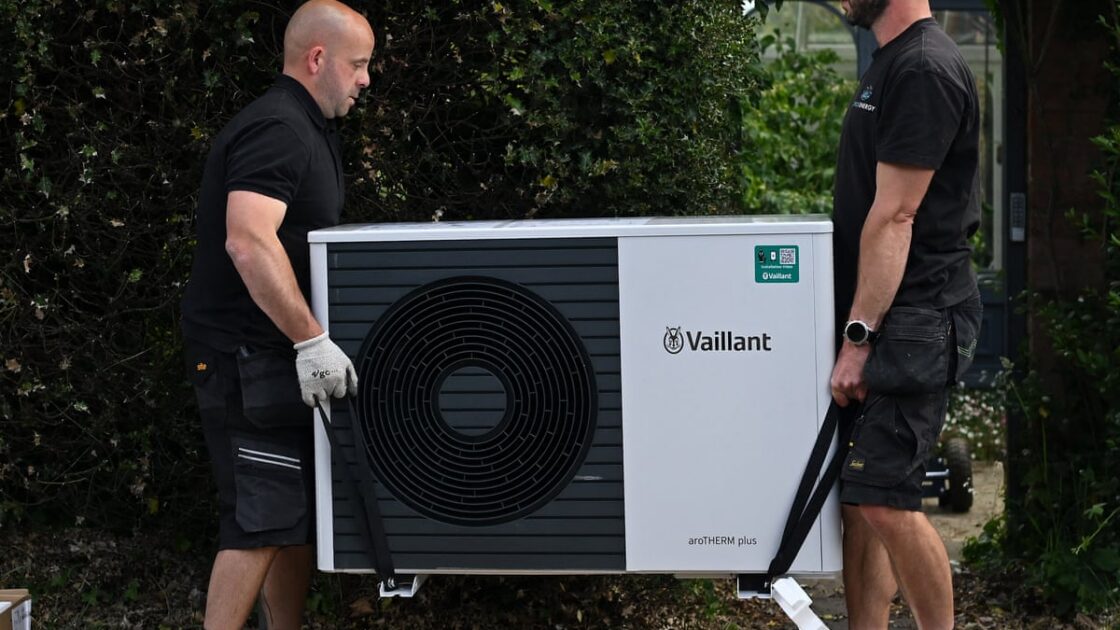
A primary casualty of the financial reductions is the government initiative designed to subsidise heat pumps, raising concerns that clean heating ambitions are now severely undermined. Healey stated that the defence investment plan would be funded partly through cuts to other departments, with the energy department absorbing £741m from the boiler upgrade scheme. This specific programme enables typical households to claim £7,500 toward installing an electric heat pump, with approximately 60,000 installations currently occurring annually in existing homes.
The government previously aimed to scale this figure up to 250,000 installations per year by 2030, intending to increase scheme funding from £400m to slightly over £700m by the end of the decade. Ministers announced that funding will now rise only in line with inflation, which means installation numbers are expected to stagnate or grow much more slowly than initially projected. Andrew Sissons, a director at the research charity Nesta, said that it is very difficult to see how clean heating targets can be reached, adding that a Labour government might become the first to miss commitments signed under the current carbon budget.
Ed Matthew, the UK programme director at thinktank E3G, described the situation as disappointing and frustrating, noting that the country lags behind many others in deploying heat pumps and requires a radical shift in uptake. Alongside the boiler scheme reductions, the budget cuts include roughly £250m from the warm homes plan, £500m from hydrogen initiatives, and £200m from carbon capture and storage technology.
Shifts in Energy Policy and Political Reactions
Healey further announced that future renewable projects will only receive approval if they demonstrate cost reductions and readiness for grid connection. Officials maintain that the government remains dedicated to achieving clean power by 2030, though numerous experts argue the new system makes that goal impossible. A government source described the development as the most significant shift in energy policy since the administration took office, noting that the focus has turned to cost rather than solely building capacity to meet environmental targets.
Paul Ovenden, a former adviser to Keir Starmer, stated that energy capital budgets are being raided for defence, effectively picking clean the core of Miliband’s project. Ovenden noted that while such measures were previously debated within government, Miliband had historically won those arguments while leading the department. Conversely, allies of Miliband and his successor Miatta Fahnbulleh argued that the administration’s green commitments remain robust, pointing to Healey’s announcement regarding a long-term transition of green costs from utility bills to taxpayers.
Supporters also highlighted plans to decouple electricity prices from gas prices to encourage consumers to transition away from fossil fuels. An energy department spokesperson stated that the government has made substantial progress over the past two years, securing £110bn in private-sector investment and sufficient clean power for over 20m homes, while remaining committed to homegrown power and heat pump targets to shield consumers from volatile fossil fuel prices.