Table of Contents
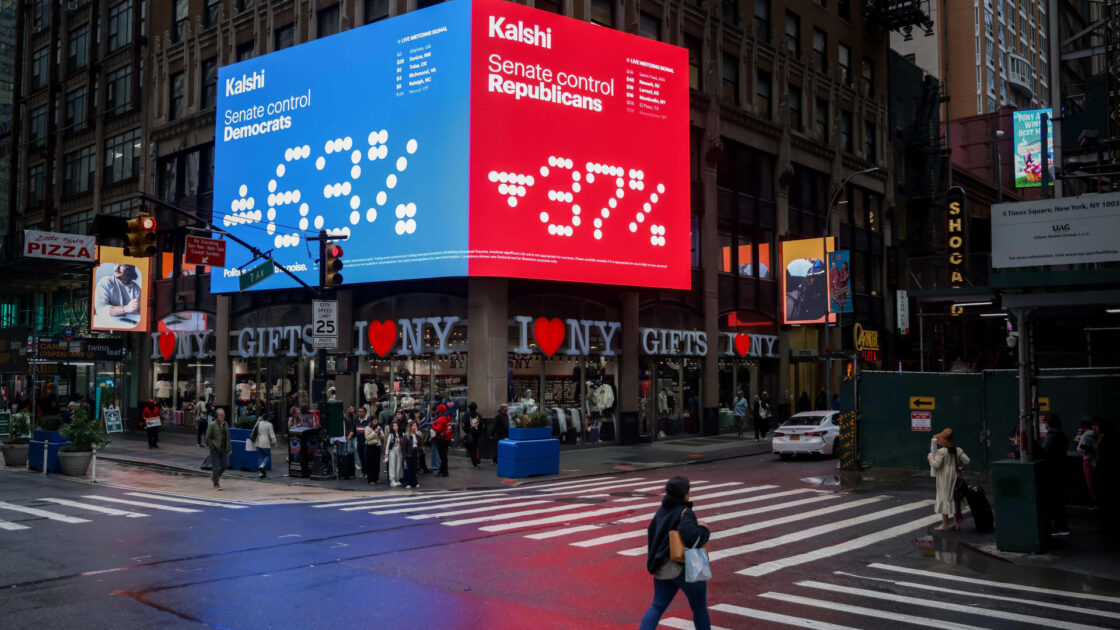
Prediction markets have gained immense popularity for forecasting political races, but their accuracy and susceptibility to manipulation have raised serious concerns. As wagering on elections surges, researchers and election officials are scrutinizing suspicious trades that can artificially distort a candidate’s apparent support.
The Disconnect Between Markets and Votes
During the June primary in the Los Angeles mayor’s race, former reality TV star Spencer Pratt became a major focus on prediction platforms including Kalshi, Polymarket U.S., and Polymarket International. Drawing more than $47 million in trades, the contest became the most heavily traded mayoral race of 2026, with one market giving Pratt a 78% chance of advancing on the eve of the primary. However, Pratt finished third, exposing a stark contrast between speculation-fueled markets and actual voter outcomes.
US Top News and Analysis (cnbc.com) reported that Dean Logan, the registrar-recorder for the Los Angeles County Clerk’s Office, noted in a statement that prediction markets can increase confusion when people treat projections as more authoritative than actual vote counts. The massive miss also highlighted the risk of market manipulation to artificially inflate a candidate’s perceived backing.
Spotting Unusual Price Spikes
Kalshi published a case study in July detailing price spikes during the LA mayoral race, noting an instance where a trader spent $1.25 million on “Yes” contracts for Pratt, momentarily pushing his perceived winning chances from 29% to 45%. Robert DeNault, head of enforcement at Kalshi, explained that rational traders typically bring prices back down quickly, and Pratt’s price ultimately dropped by the end of the day.
However, an analysis conducted for US Top News and Analysis by the Anti-Corruption Data Collective (ACDC) revealed that expanding the observation window past Kalshi’s initial 30-minute timeframe showed price increases lasting longer, elevating the risk that voters might misinterpret temporary momentum as genuine market sentiment. ACDC found that nearly 23% of 167 congressional markets worth over $100,000 experienced price spikes of 30 cents or more.
Michelle Kendler-Kretsch, a researcher at ACDC, pointed out the ambiguity of financial motives on these platforms, noting that transaction fees and low payouts on high-priced contracts make pure profit an imperfect explanation for such large wagers. Meanwhile, a survey funded by the Brennan Center for Justice indicated that voters are up to 20 percentage points more likely to believe a candidate will win if prediction markets favor them, regardless of traditional polling.
Policing and Regulatory Challenges
Both Kalshi and Polymarket are regulated by the Commodity Futures Trading Commission (CFTC) to prevent insider trading and manipulation, and both platforms have rolled out new surveillance tools and transparency features. Shana Bautista, head of global intelligence and investigations at Polymarket, explained that outside investigators must serve subpoenas or search warrants to uncover the identities behind specific trades, though international platforms also partner with analytics firms like Chainalysis to track suspicious activity.
Despite internal monitoring, Jared DeMarinis, administrator of the Maryland State Board of Elections, remains convinced that an outright ban on election wagering is necessary to protect the democratic process. DeMarinis restricted certain election staff from trading and asked the state prosecutor to investigate potential violations of state laws prohibiting election betting, a move echoed by legal battles involving New Jersey and other states questioning federal CFTC jurisdiction.
As legal battles continue, prediction platforms are expanding their election offerings while researchers warn that forecasting failures risk undermining trust in the electoral process itself.