Delegates from nearly 200 countries reached an agreement on a new action plan for nature early Saturday morning in Armenia’s capital, following nearly two weeks of intense negotiations and disagreements. The summit concluded hours behind schedule, with meeting president Hambardzum Matevosyan declaring the deal complete.
Assessing Global Progress on Biodiversity
Four years prior, nations signed a landmark agreement known as the Global Biodiversity Framework in 2022, which set 24 targets including the protection of 30% of the world’s land and seas by the end of the decade. Scientists warn that humanity is currently experiencing a sixth mass extinction event, with species disappearing at 100 times the natural rate due to human activities. According to the UN, the world is currently on track to achieve only one of those 24 targets.
During the Yerevan meeting, countries openly acknowledged they were falling behind. Catherine Weller of the environmental charity Fauna & Flora noted that while the agreement was not particularly exciting or detailed, reaching a consensus was positive because nations cannot simply plod on toward 2030 without a course correction, emphasizing that nature is critical to all life on Earth and to economies and wellbeing.
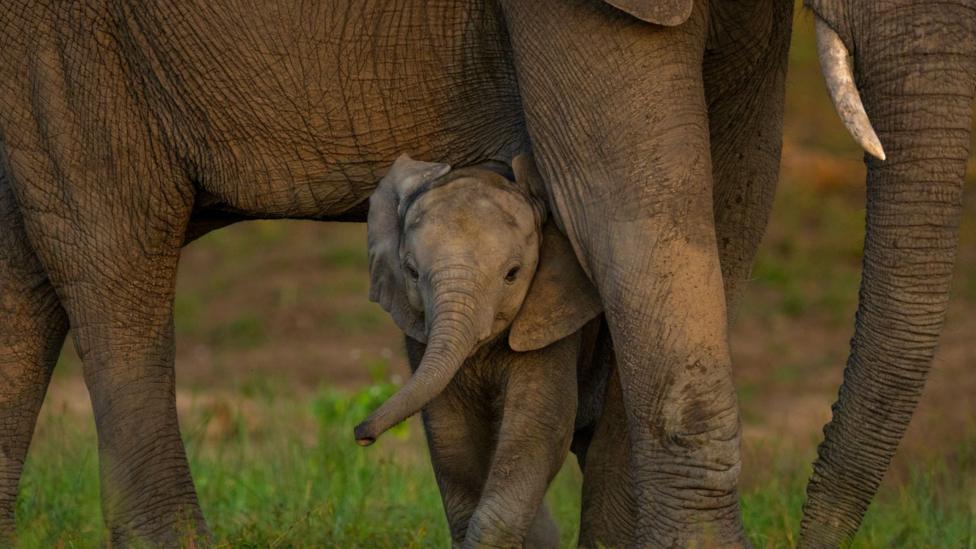
Craig Bennett, CEO of The Wildlife Trusts, told BBC News that the world continues to witness an appalling loss threatening global ecosystem collapse, stating that words are exhausted regarding the seriousness of the crisis. However, he added that there are numerous global examples of how to reverse the trend. Countries have placed 623 million acres of degraded land into protection, an area larger than Greenland, and conservation efforts last month achieved the recovery of key species such as elephants, green sea turtles, and tigers.
Funding Shortfalls and Political Obstacles
Nations recognized that the primary barrier to accelerating conservation efforts is a lack of financial resources. In 2022, countries pledged to dedicate $30bn toward nature recovery by the end of the decade and mobilize another $170bn from private sources. However, the UN reports that many nations have subsequently redirected international aid to defense budgets and energy shock responses, causing pledges to lag behind required rates.
At the Armenia meeting, more than $1bn was pledged, with half coming from philanthropists, including Leonardo DiCaprio’s Re:wild organization. Anna Ducros, a researcher at the International Institute for Environment and Development, stated that some progress was made on countries committing to reduce subsidies for industries harmful to the environment, such as large-scale destructive fishing practices like trawling. Ducros pointed out that governments are currently paying twice by knowing they need to increase spending on nature while simultaneously funding activities that damage it.
Little progress was achieved regarding the Cali Fund, a specific funding pot established for private companies that profit from using environmental genetic material. Although it was estimated that up to $3.6bn could be raised annually, only $10,000 had been pledged at the start of the meeting. Bennett acknowledged that the voluntary nature of the fund makes it difficult to pressure companies, arguing that corporations making money from genetic materials in biodiverse countries should compensate those local communities.
Approval of scientific reports into the state of nature was expected to be straightforward, but a small group of nations, including Saudi Arabia and Russia, reportedly frustrated the process. French Ecological Transition Minister Monique Barbut described the resistance as attacks on science, according to the AFP news agency. Prof David Lee from Manchester University, who has worked on previous reports for the upcoming annual climate conference COP31 science body the IPCC, called the interference a blatant political move, noting that the IPCC is no place for political maneuvering because its outputs serve humanity’s interest.