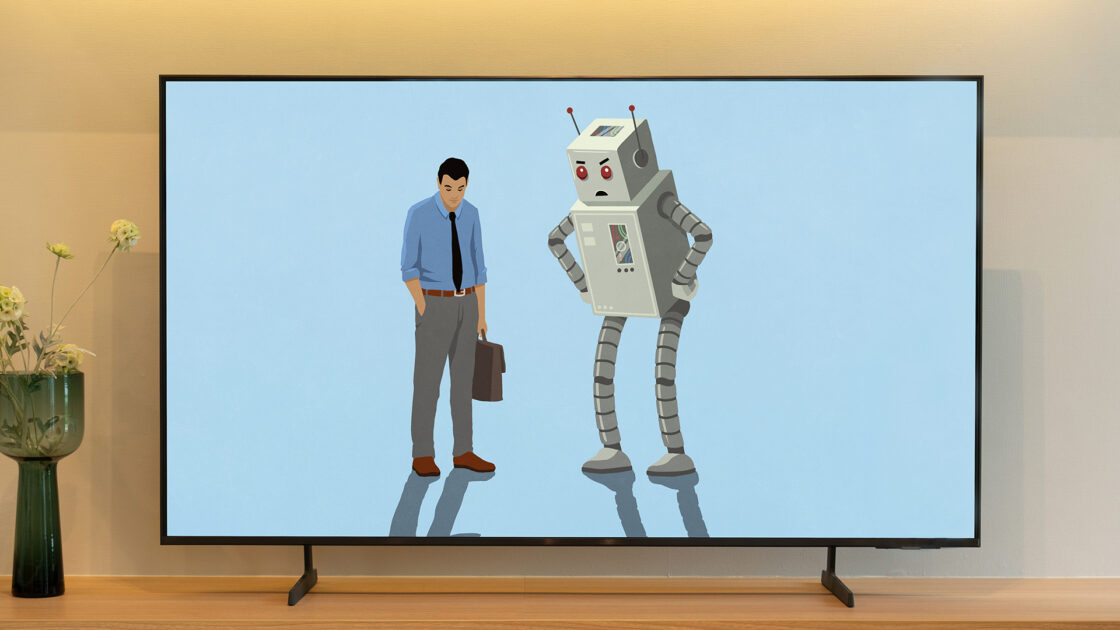
Recent social media posts have claimed that artificial intelligence can help users “vibe code” a better television interface with less clutter, fewer ads, and minimal tracking. According to CNET reporting, this trend is not only misleading but carries significant risks of ruining your television.
The Risks of Vibe Coding a TV OS
“Vibe coding” refers to using AI agents, frequently Claude, to write programming code for websites and apps by describing desired outcomes in plain English rather than learning actual programming languages. Users have claimed to employ this method to write new, ad-free operating systems for their TVs.
However, TV operating systems are exceptionally complex. An anonymous TV engineer interviewed by CNET explained that fixing a single software bug often triggers ten new bugs in unrelated parts of the system, a common occurrence in software development. Already, there are reports of users completely “bricking” their televisions—turning them into unusable, expensive objects—while attempting this process.
Furthermore, initial success does not guarantee long-term stability. Vibe-coded operating systems may fail to play video streams from apps like Netflix, struggle with future app updates, or lack reliable factory reset options. Without a background in software development, users cannot easily verify whether the generated code is secure or exposing their televisions to external access.
Simpler Alternatives Exist Without Using AI
For users seeking a faster interface with fewer advertisements, simpler solutions already exist without involving AI. Android TV launchers can be easily swapped out by installing apps from top-rated options such as Projectivity, Monet, TV Launcher Premium Smart UI, or AT4K Launcher, which mimics an Apple TV interface.
These vibe-coding tricks are unlikely to function on proprietary operating systems like LG’s webOS, Samsung’s Tizen, or Hisense’s VIDAA, because manufacturers strictly lock down their systems to prevent unauthorized modifications. CNET notes the irony of attempting to block personal data tracking by handing personal data over to AI systems during the vibe-coding process.
Trying a dedicated launcher app provides a much safer alternative that avoids the risk of rendering a television unusable. For those who still wish to experiment on a disposable TV using AI code derived from human programmers, the risks remain entirely theirs to take.