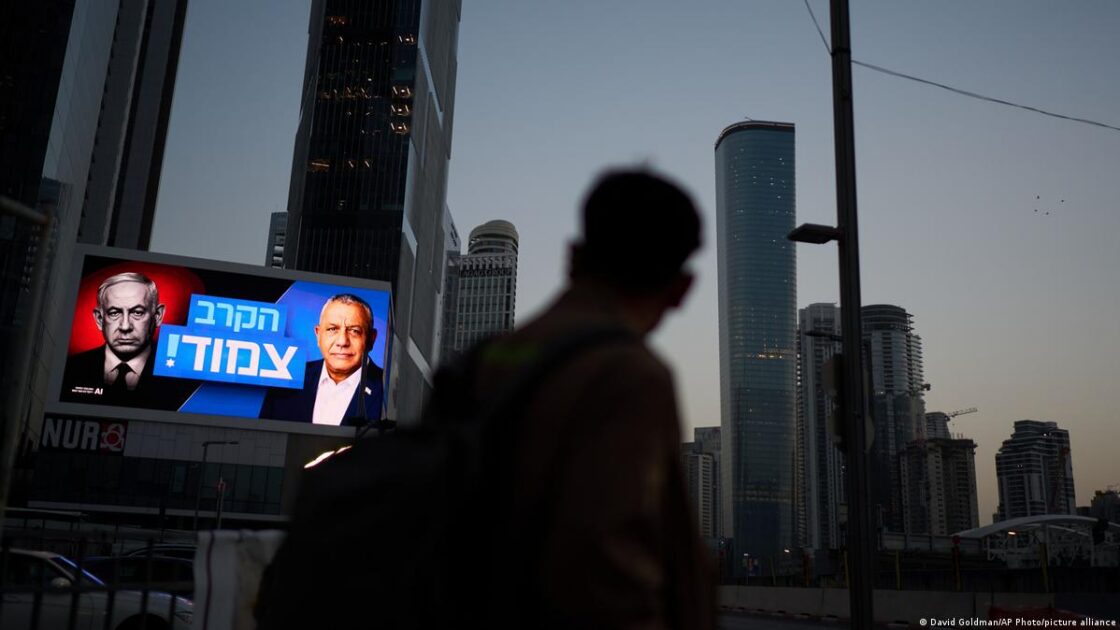
Two days after Israel’s parliamentary elections, German politicians are maintaining a cautious stance because it remains unclear who will lead the new government. Although the right-wing bloc led by incumbent Prime Minister Benjamin Netanyahu holds a lead over the opposition bloc led by former military chief Gadi Eisenkot, neither side has secured a clear path to a governing majority in the Knesset.
Government Response and Aid Concerns
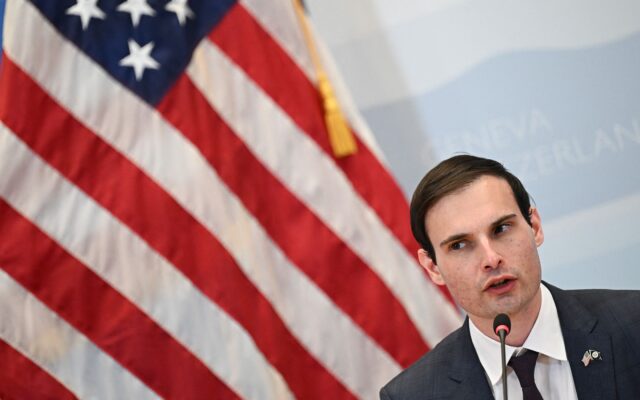
During a government press conference in Berlin, Martin Giese, spokesperson for Foreign Minister Johann Wadephul, declined to comment directly on the results. However, Giese emphasized that Germany maintains contact with numerous Israeli officials and politicians through its ambassador. Foreign Minister Wadephul stated that Germany and the Jewish state are historically linked and that Berlin will work to cooperate with any future administration, as reported by Deutsche Welle: DW.com.
A primary concern for Berlin involves delivering aid to Gaza, as prolonged coalition talks threaten to delay critical progress. Development Minister Reem Alabali Radovan warned in an interview with Politico that the upcoming winter will be difficult. She stressed that aid organizations require more opportunities to deliver essential assistance in Gaza without waiting for coalition negotiations to conclude.
Speaking to Deutsche Welle: DW.com and broadcaster RTL, Radovan also addressed escalating attacks by Israeli settlers against Palestinian residents in the West Bank and east Jerusalem, stating that radical settler violence must be stopped while the Netanyahu government remains in office on an interim basis. Under international law, all settlement activity in the occupied Palestinian territories is considered illegal.
Diplomatic Relations and Future Expectations
Relations between Germany and Israel have historically been close due to Germany’s responsibility for the Holocaust, though the German government has recently distanced itself from Netanyahu’s policies in public rhetoric. Following a military operation near Hebron that displaced around 3,000 Palestinians after the reported killing of two Israeli soldiers, Wadephul noted that Israel is obligated under international law to protect Palestinian rights. Berlin currently has no plans to recognize a Palestinian state.
Conservative Christian Democratic Union foreign policy expert Jürgen Hardt told Deutsche Welle: DW.com that his party hopes the next government will exclude religious extremist and far-right politicians, such as current Finance Minister Bezalel Smotrich. Hardt added that a centrist government would be ideal, though Israeli voters and politicians must determine the outcome themselves.
Arab-majority parties representing Palestinian citizens of Israel achieved significant gains and could potentially act as kingmakers in coalition talks. While Netanyahu’s bloc has ruled out working with these parties, the United Arab List has expressed a willingness to cooperate with Eisenkot’s bloc to unseat Netanyahu. Hardt suggested that a minority government led by Eisenkot and supported by Arab-Israeli parties is conceivable.
Green Party politician Omid Nouripour, vice president of the German Bundestag, told Deutsche Welle: DW.com that the heavy campaign by Netanyahu’s camp against Arab Israelis mobilized the opposition, ultimately depriving Netanyahu’s bloc of a majority. Nouripour called the outcome encouraging for Israeli democracy following recent turmoil surrounding judicial reform.