Table of Contents
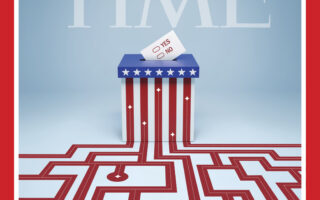
As Election Day approaches, attention shifts toward the potential magnitude of a Democratic wave as both Democrats and Republican contenders invest heavily in competitive, Republican-dominated races. An NPR analysis highlights 70 districts where both political parties are pouring more than six figures into their final messaging strategies.
Campaign Trails and Legal Battles
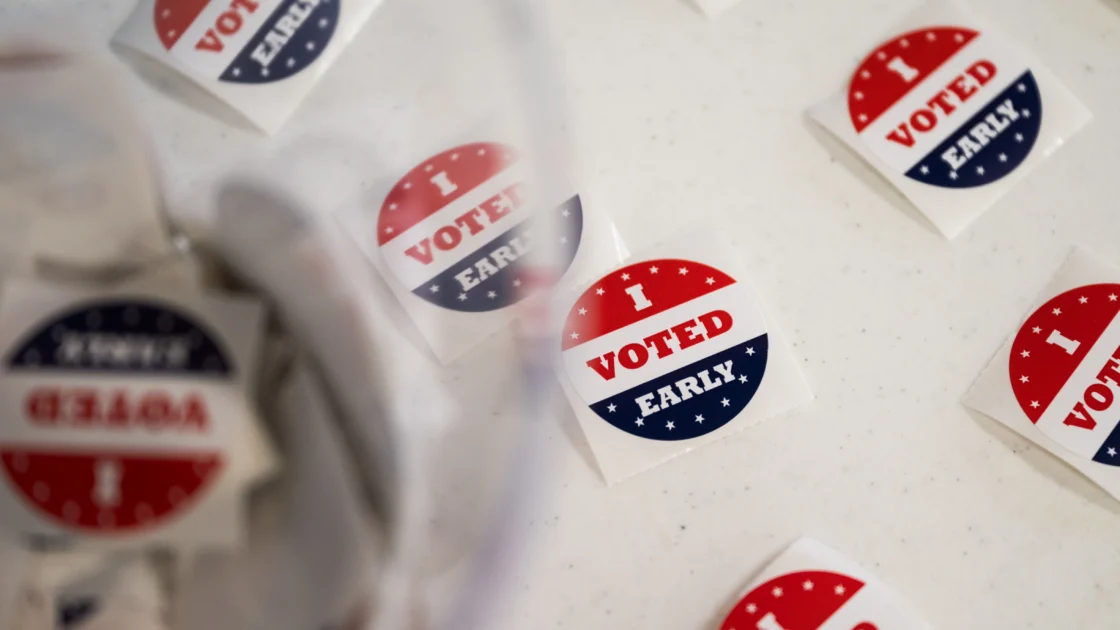
Former President Barack Obama campaigned in Georgia for Democrats, pointing to high living costs and attributing rising prices to Donald Trump’s policies, as reported by Stephen Fowler of NPR. While Democratic Sen. Jon Ossoff is expected to win his Senate race, the Georgia governor’s race remains tightly contested. Early voting data reveals a surge in turnout among young and Latino voters in Democratic areas, alongside non-supervoters who typically skip primaries. Fowler notes this trend creates unpredictability, forcing Republicans to depend on heavy voter turnout on Election Day.
In a related legal development, a federal judge rejected an emergency request from the Department of Justice to halt ballot processing for 20,000 individuals flagged as likely noncitizens. The department has filed a notice to appeal the ruling. Meanwhile, Ballotpedia figures show that voters nationwide will encounter 145 statewide ballot measures addressing abortion, LGBTQ+ rights, taxation, and voting procedures.
Economic Indicators and GDP Report
Americans await a final economic reading on gross domestic product and inflation ahead of the midterm election. Economists project higher GDP growth compared to the spring, driven by consumer spending and ongoing technology sector investments in artificial intelligence, according to Stephan Bisaha of NPR. However, economist Mark Zandi cautioned NPR that the expansion is “very, very fragile growth,” pointing to inflation as the primary driver of vulnerability.
Consumer prices climbed 3.7% in September on an annual basis, continuing to outpace wage growth. Following its decision to keep interest rates steady, the Federal Reserve is monitoring the Commerce Department’s inflation metrics closely.
Israel Election Deadlock and Student Debt Lawsuit
Israel’s parliamentary election remains deadlocked after more than 90% of votes have been counted, leaving no candidate with a clear path to form a government. Securing a majority requires 61 parliamentary seats. Prime Minister Benjamin Netanyahu and his allies captured 53 seats, while challenger Gadi Eisenkot and his allies secured 48.
Daniel Estrin reported for NPR that potential pathways to resolve the impasse include Eisenkot forming a partnership with Arab-led parties—which won a record 19 seats—though political risks make this unlikely due to the demonization of Arab political figures. Alternatively, repeat elections remain a possibility, though opposed by Eisenkot due to anticipated voter fatigue. Estrin noted that Eisenkot faces growing pressure to join a unity government with Netanyahu, particularly if a new conflict with Iran breaks out.
In domestic legal news, Student Defense filed a lawsuit against the Department of Education alleging that the administration is unlawfully failing to implement rules governing the “closed school discharge” program. Federal law has mandated debt cancellation for eligible borrowers when educational institutions close unexpectedly for over three decades. The Department of Education told NPR that it stands by its execution of the program.
Medicare Open Enrollment and Industry Challenges
Medicare open enrollment runs through December 7, with more than half of participants selecting private Medicare Advantage plans over traditional federal coverage due to benefits like dental and vision care alongside lower premiums. Recent JAMA research indicates that private insurers have increasingly withdrawn from unprofitable regions over the past three years. Experts advise checking plan availability via Medicare.gov or state State Health Insurance Assistance Programs, verifying details with medical providers, and exercising caution regarding personal information privacy to avoid scams.
Elsewhere, American automakers reported higher third-party revenues for the third quarter while navigating rising expenses for computer chips, steel, copper, and transport fuel. In cybersecurity, a hacking group breached personnel files at the U.S. Department of Homeland Security, compromising names, phone numbers, and addresses for over 40,000 agents and associates, including undercover personnel. Additionally, the Department of Health and Human Services introduced a policy permitting small compounding pharmacies to produce six unapproved peptides from the Food and Drug Administration.