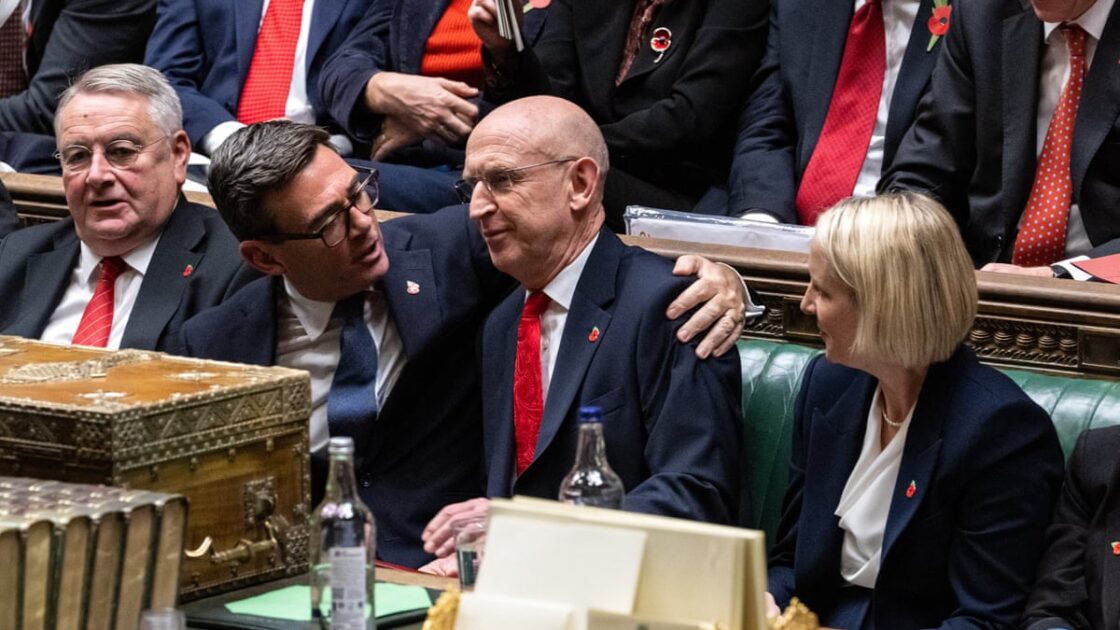
John Healey raised taxes on banks and landlords to fund a £100 winter handout for 20 million families as official forecasts made clear there is no end in sight for the cost of living crisis. In his first budget, the chancellor blamed global economic storms for the grim outlook, as the war in Iran drives up oil and gas prices.
Tax Hikes and Household Support
The chancellor offered a £100 cost-of-living payout, which will be sent to all English households in council tax bands A-D. The £2.6bn cost of the giveaway includes funding for the Scottish and Welsh governments, which Healey said he hoped they would use to implement a similar scheme. He stated that people look to government to give them a bit of breathing space during rising energy bills driven by the conflict in the Middle East.
The cost of these household support measures will be met by a doubling of the additional levy banks pay on their profits to 6%, alongside higher taxes on income from property and savings. The additional bank tax will last for 15 months, and bank share prices rose following the announcement as the increase was less severe than some in the industry feared. Meanwhile, Healey announced an unexpected 2p increase in tax rates for income earned on property or savings, which the Office for Budget Responsibility warned risks leading to steady rent rises.
Laura Suter, director of personal finance at AJ Bell, said savers will face another hefty tax rise on savings interest, while higher rental income taxes could be passed on to tenants through rent hikes or lead more landlords to sell up. Ruth Curtice, chief executive of the Resolution Foundation thinktank, criticised the £100 handout for failing to provide more generous support to the poorest consumers. Hannah Peaker, deputy chief executive of the New Economics Foundation, argued the chancellor showed the right instincts but lacked the necessary scale.
Economic Forecasts and Spending Plans
The government’s independent forecaster warned households face a grim picture on living standards, slashing the economic outlook for 2027 and projecting virtually no growth in disposable income. OBR’s David Miles highlighted a pretty grim picture for household finances as inflation rises to almost 4%. Healey also cancelled fuel tax rises previously planned by Rachel Reeves and extended the VAT cut on electricity prices to next summer.
Healey promised to stick to Labour’s fiscal rules, with the OBR stating he would meet the primary rule to balance day-to-day spending with tax revenues with a diminished headroom of £15bn by 2029-30. Conservative leader Kemi Badenoch criticized the budget, arguing Britain has overspent, overborrowed, and overtaxed, while Helen Miller of the Institute for Fiscal Studies warned that tight spending plans could create severe challenges for government departments in next year’s spending review.
The budget also included a hint at easing migration restrictions by allowing certain industries to lower salary thresholds for visas. London mayor Lord Sadiq Khan received new powers to extend the Bakerloo line and a pledge that cross-Channel trains will stop at Stratford International, alongside funding to explore hosting the Olympics in a northern city.