Table of Contents
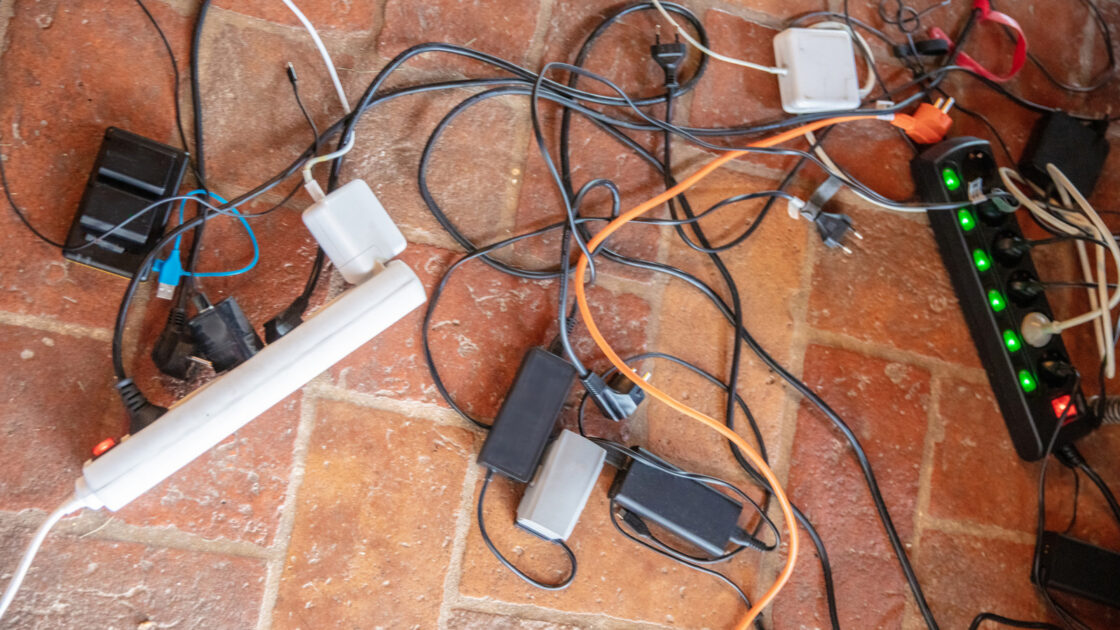
Connecting power strips together by plugging one into another, known as daisy-chaining, may seem like a convenient solution for managing tangled cords in a home office or gaming setup, but Engadget reports that it creates serious fire and safety hazards.
The Dangers of Electrical Overload
Adding extra sockets does not increase the electrical capacity of your system. Everything connected to the second strip draws its power through the first strip’s plug and internal parts, meaning the first strip must carry the combined load of both devices. Power strips have maximum ratings, usually measured in amps, and overloading them causes resistive heating. This heat can eventually melt wire insulation and casings, potentially igniting nearby flammable materials commonly found in home offices.
Safe Alternatives for Power and Distance
If you need more sockets for low-power electronics, opt for a single power strip with a larger number of outlets rather than chaining them together, while ensuring the total load stays within the strip’s rating. When distance is the issue, select a strip with a longer cord instead of grabbing an extension cord, as the National Fire Protection Association (NFPA) warns against extension cords due to similar rating limitations. Furthermore, if a single strip frequently trips a breaker, treat it as a warning sign rather than simply dispersing devices to a new strip. You must also immediately discard any power strip with damaged casings, scorch marks, or loose connections.
High-Power Appliances and Surge Protectors
Certain high-power appliances must never be plugged into power strips, as they easily overload unrated units. Space heaters, microwaves, and refrigerators draw substantial current and require direct connection to a proper wall outlet. Power strips should instead be reserved for ordinary devices such as personal computers, printers, and phone chargers. Additionally, surge protectors do not change these electrical dynamics or magically increase energy capacity, meaning basic safety guidance strictly prohibits daisy-chaining surge protectors as well.