Table of Contents
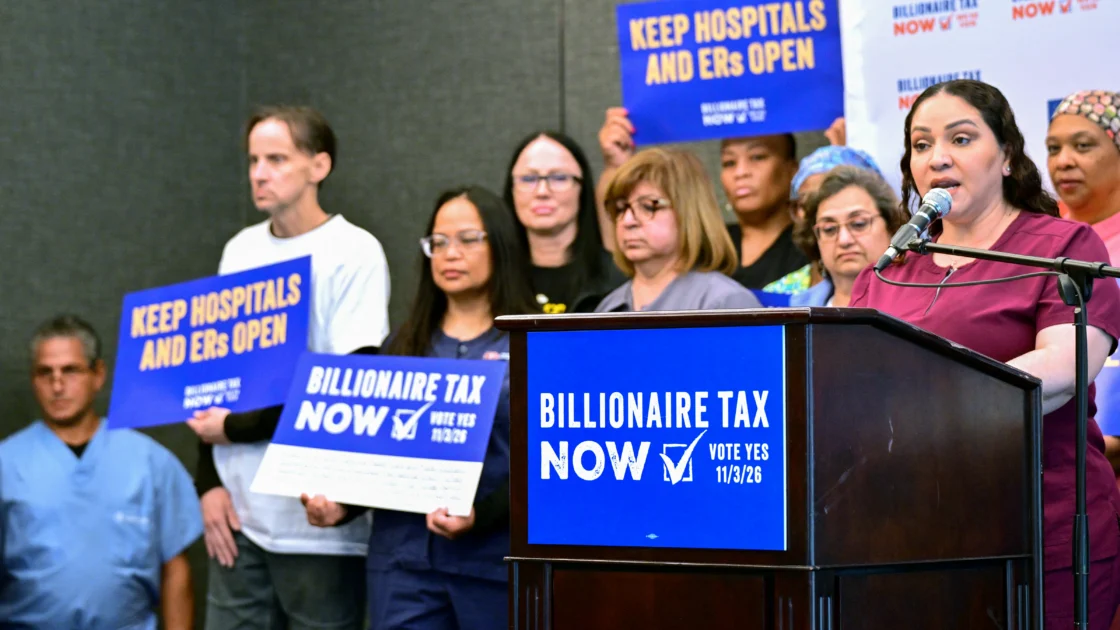
California voters recently rejected Proposition 40, a proposed one-time 5% wealth tax on billionaires that had gathered over 1.5 million signatures to reach the ballot. Despite a significant blue wave in recent midterm elections, the high-profile initiative failed to secure victory, leaving economists divided on the underlying political reasons.
The Debate Over Campaign Spending
Gabriel Zucman, an economist at UC Berkeley and a leading wealth tax proponent, attributed the defeat to the immense financial opposition. According to Zucman, opponents poured nearly $400 million into fighting the measure and funding competing initiatives, subjecting California residents to a relentless wave of anti-tax advertisements while supporters spent negligible sums.
When asked why Democratic candidates often win despite heavy spending against them, Zucman explained that the spending disparity was far more extreme in the Prop 40 fight, and candidate races benefit from party labels and name recognition as mental shortcuts for voters. Furthermore, prominent Democrats such as California Governor Gavin Newsom opposed the state-level measure, arguing that the policy belongs at the federal level instead.
Proximity and Policy Specifics
Stanford economist Joshua Rauh, a critic of Prop 40, questioned whether advertising alone could explain the measure’s poor performance. Rauh noted that the gap in support between Vice President Kamala Harris in the 2024 election and Prop 40 was widest in progressive Bay Area counties where residents are more likely to know billionaires, work for them, or witness them relocating to states like Texas or Florida.
Rauh suggested that proximity to the wealthy and their businesses made voters more skeptical of the novel tax policy. Additionally, the specific design of Prop 40 drew opposition from traditional Democratic allies, including the powerful California Teachers Association, because it earmarked 90% of its projected revenue for health care while leaving only 10% for food assistance and education programs.
Future Outlook and Legal Hurdles
Looking ahead, Zucman believes the billionaire tax will take center stage in the new Congress as newly elected Democratic lawmakers push to curb the influence of wealthy individuals. Rauh anticipates that wealth tax proposals will feature prominently in the political debate leading up to the 2028 presidential election, though he notes that enacting a federal law with Donald Trump in the White House remains unlikely in the near term.
Even if proponents successfully sway voters, Rauh emphasized that a federal wealth tax would face severe constitutional challenges in the courts. Legal scholars remain divided over whether a wealth tax constitutes a “direct tax” under the U.S. Constitution, a classification that requires tax revenues to be apportioned among states based on population.