Table of Contents
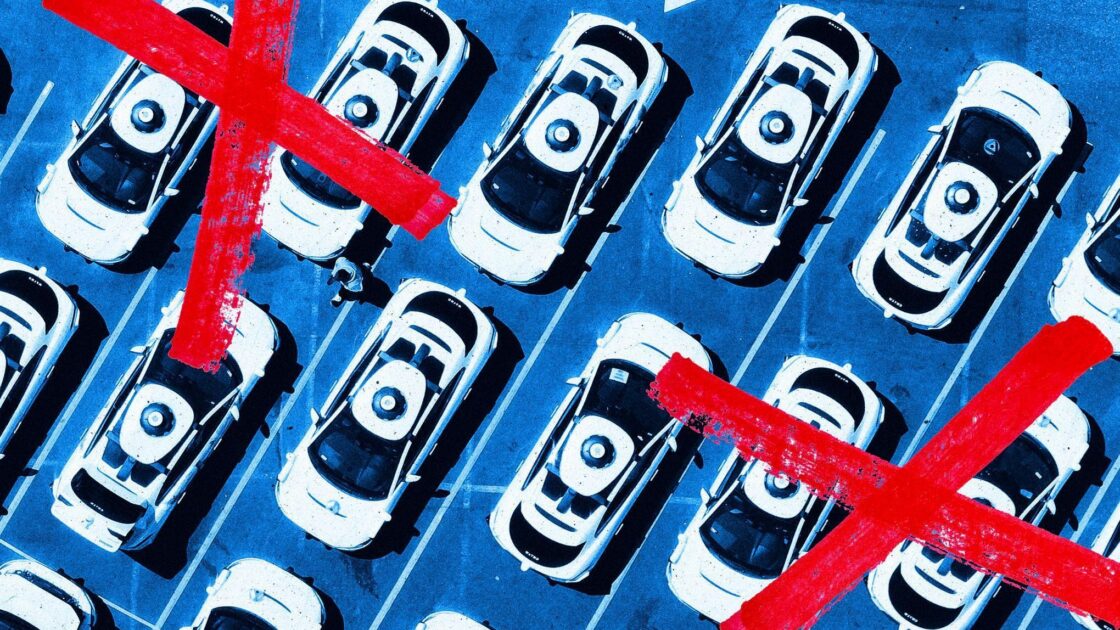
Autonomous vehicle and robot delivery companies are stepping away from their partnerships with Uber as they seek direct relationships with customers. While Uber initially positioned itself as an essential bridge to connect startups with a massive customer base, major players like Waymo and Serve Robotics are now choosing to operate independently.
The End of Exclusive Robotaxi Deals
During an August earnings call, Uber CEO Dara Khosrowshahi expressed optimism about his company’s partnership with Waymo, noting that operations would continue in markets like Austin and Atlanta. However, Waymo co-CEO Tekedra Mawakana later revealed that her company plans to end its exclusive robotaxi partnership with Uber, setting a date of January 2028 for riders to hail driverless trips directly through the Waymo app. Mawakana described the mixed-fleet experience as a gamble for customers.
Serve Robotics, an operator of thousands of sidewalk delivery robots, similarly announced it would not renew its partnership with Uber Eats when it expires in 2027. According to Serve CEO Ali Kashani, tensions over how the future of autonomy will unfold have surfaced as these companies realize their visions differ from Uber’s platform approach. Despite these departures, Uber has established deals with over 30 companies worldwide, including Amazon’s Zoox, China’s WeRide, and Avride, as part of its strategy to feature dozens of autonomous vehicle partners.
Diverging Visions and Economic Pressures
A major hurdle for Waymo within the Uber ecosystem was consistency. Uber’s model involved pairing customers with either a human driver or a robotaxi depending on proximity, but adoption research indicates that many users prefer predictability when forming first impressions of autonomous technology. Villanova School of Business assistant professor TC Eley noted that customers either miss the chance to learn about autonomous vehicles when receiving a human driver, or risk a negative experience if they are given an unwanted robotaxi. Although Bloomberg reported that Uber pitched a dedicated robotaxi button in its app for Austin and Atlanta, Waymo declined the proposal.
For Serve Robotics, the choice to move away from Uber Eats was primarily economic. Traditional delivery apps charge steep cuts ranging from 15 percent to 30 percent, largely driven by the costs of human couriers. By launching a direct developer API, Serve allows small businesses such as bakeries and pharmacies to integrate robot delivery straight into their own websites and registers without paying middleman fees. Uber spokesperson Noah Edwardsen attributed the split to Serve’s operational performance, stating that Uber had raised concerns about reliability starting in early 2026.
History and Regulatory Friction
The relationship between Waymo and Uber has a contentious history, marked by a 2017 lawsuit in which Alphabet-owned Waymo accused Uber of trade secret theft and patent infringement. The legal battle ended in a settlement where Uber admitted to misappropriating technology and agreed to license it, following the sentencing of former Google engineer Anthony Levandowski, who was later pardoned by President Donald Trump. Uber’s own historic ambition to build self-driving cars ended after a fatal pedestrian crash involving a test vehicle in March 2018, which cleared the way for Waymo to launch its own ride-hailing app later that year.
While supporting autonomy, Uber has faced the challenge of balancing self-driving initiatives against the millions of human drivers and couriers on its platform. In Washington, D.C., Uber lobbied against a bill legalizing robotaxis, advocating instead for a hybrid human network that would require networks to include human drivers. The company has also experienced a wave of departures among top autonomous mobility executives, including global head Sarfraz Maredia, business partnerships head Guy Peterson, engineering VP Danny Guo, and legal head Lando Juarez.
Competition from robotaxis has altered the market in specific cities like San Francisco, where Waymo operates exclusively through its own app and captures market share from traditional ride-hailing services. Even so, Waymo maintains non-exclusive agreements with other providers, such as a partnership with Lyft in Nashville for off-peak hours. As third-party fleet operators consider investing in autonomous vehicles, the broader industry question remains over which companies will ultimately control the direct relationship with consumers.