The number of tries in international rugby has surged from six to eight per match over the past two years as World Rugby works to futureproof the sport. World Rugby has set out a vision aimed at creating a safer, more continuous game while maintaining contests around the breakdown and set-piece.
Coaches Summit and Referee Conference
Ahead of the return of the Nations Championship, the top 24 international head coaches met with World Rugby officials near London to discuss the direction of the game. According to World Rugby sources, the coaches pointed out various grey areas such as scrums, breakdowns, deliberate knock-ons, and foul play during try-scoring situations. Nonetheless, coaches generally supported the higher try counts and increased ball-in-play time, which referee insiders credit to quicker match speeds and consistent officiating at the breakdown. Other top referees noted that greater fatigue has set in because officials now push to form scrums and line-outs within 30 seconds, opening up more space and scoring chances.
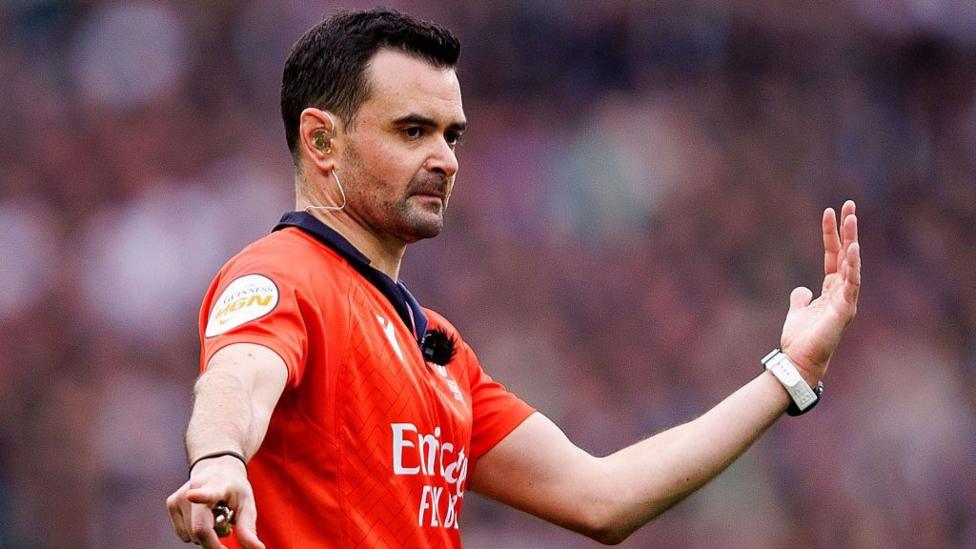
Data gathered across Nations Championship and Nations Cup games between 2024 and 2026 shows that penalties kicked have dropped from 3.5 to 1.5 per match. Following the coaches’ summit, a wider group of World Rugby match officials convened for a conference attended by BBC Sport, where scrum officiating, foul play, and Television Match Official usage took center stage. Jonathan Humphreys, a former Scotland and Wales coach, led the scrum presentation, while Warren Gatland attended as a World Rugby advisor. Brendon Pickerill, a former New Zealand official, directed the sessions on foul play and the TMO’s role.
Key Focus Areas for November
World Rugby has highlighted specific areas for officials to target during November matches. For scrums, both loosehead props must keep their right shoulders out to foster a fair contest, and hookers must keep their brake foot grounded in the tunnel to maintain stability. TMOs will step in strictly for clear and obvious decisions within a short window, leaving other calls to on-field referees, with their focus limited largely to foul play and try-scoring actions.
Regarding foul play, officials will crack down on hip-drop tackles where a defender grabs an opponent from the side or behind, rotates around them, and drops body weight onto the ball carrier’s lower limbs, carrying a yellow card as the minimum sanction. Laws regarding tacklers dropping to their knees before initiating a tackle will also be strictly reinforced.
Red card protocols will continue to apply a 20-minute red card for tackle and breakdown offenses that meet the red-card threshold, supported by an updated Head Contact Process that now covers illegal breakdown acts. Permanent red cards remain strictly reserved for severe acts of foul play away from the ball.
The Nations Championship begins on Friday, November 6, as Ireland plays host to Argentina in Dublin, and concludes with a finals weekend at Allianz Stadium in Twickenham at the end of the month. During the finals weekend, every match except the grand finale will utilize a golden point scoring system to decide the winner if scores are level after 80 minutes.