A previously unseen family archive is offering a fresh look into the artistic process and personal relationships of Indian Nobel laureate Rabindranath Tagore during his final years. The collection is being showcased to the public for the first time at an exhibition organized by Christie’s in Mumbai.
Inside the Private Archive
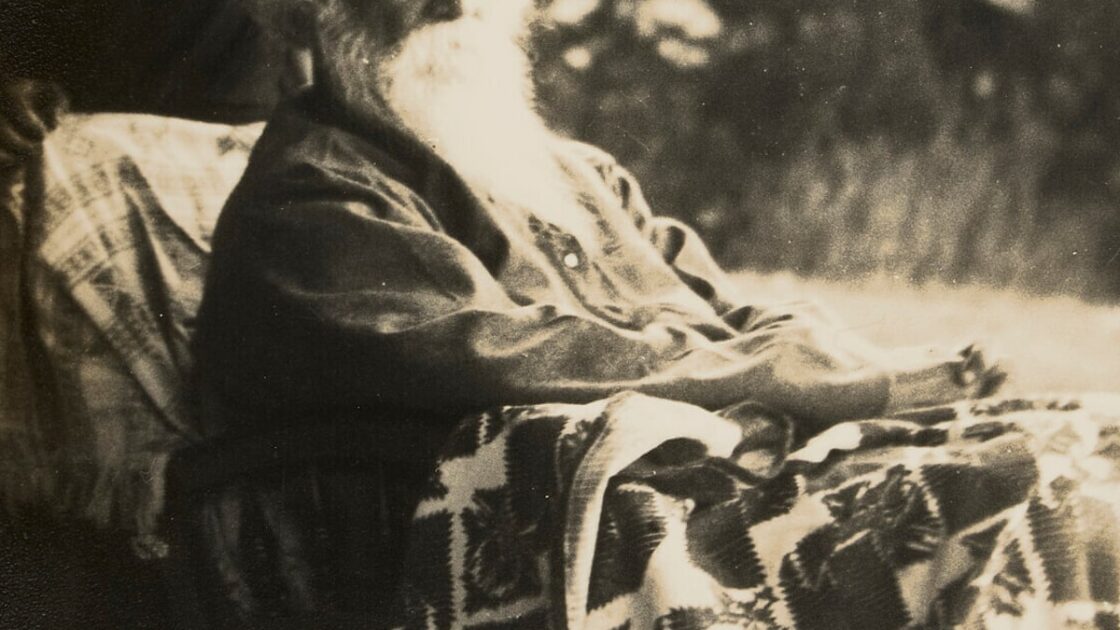
Born in 1861, Tagore made a historic mark as the first non-European to win the Nobel prize in literature, later creating the national anthems for both India and Bangladesh. While his life and works remain extensively documented, the new exhibition draws from materials preserved in a private family archive originating from Tagore’s visits between 1938 and 1940 to the family home of his protege, Maitreyi Devi, in the village of Mungpoo in Darjeeling. Tagore passed away in 1941.
Exhibition curator Nishad Avari, who serves as head of south Asian modern and contemporary art at Christie’s, highlighted a 1940 manuscript that appears to be a draft of Tagore’s memoir, Chelebela or My Boyhood Days. In the text, Tagore reflects on his upbringing in Calcutta and a world changing with the arrival of electricity and motorcars.
Avari stated that the ideas in the document reflect the educational philosophy Tagore established at Santiniketan, the experimental school he founded about 100 miles from the state capital. According to Avari, Tagore viewed conventional education as being similar to a prison, believing instead that learning should be open and free, and that feelings of wonder and fear can inspire creativity.
Avari explained that this specific manuscript is the only one among the 10 complete manuscripts in the exhibition that was dictated to Devi, whose father was a close friend of Tagore. This arrangement highlights the deep trust Tagore placed in her. The collection features copies of nearly every publication inscribed to Devi by Tagore, alongside hundreds of letters exchanged between Tagore, Devi, and her father.
The archive also contains doodles accompanying corrections, demonstrating how Tagore’s literary work connected with his artistic practice. Personal effects left behind at the family home, including a kurta and a lungi, are displayed alongside vintage photographs, a landscape painting of the forests of Mungpoo, and a distinct portrait of Devi.
Because major institutions like Visva-Bharati in Santiniketan and the National Gallery of Modern Art hold the majority of Tagore’s archival materials, the discovery of a private collection is exceptionally rare. Avari expressed hope that publishing these materials will provide scholars, historians, and admirers with a deeper understanding of Tagore beyond his artistic career. The exhibition, titled Rabindranath Tagore and Mungpoo, runs from November 10 to December 18 at Christie’s space in south Mumbai.