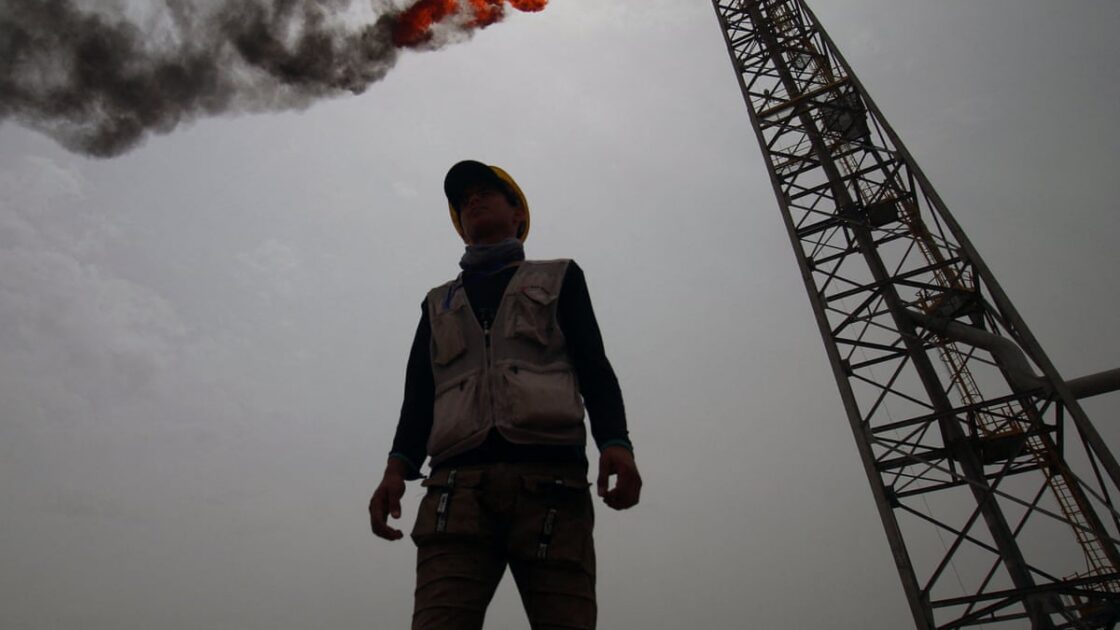
A global fossil fuel price crisis is spreading inflation “like a cancer” across the world, United Nations climate chief Simon Stiell announced during the opening plenary of the Cop31 summit in Turkey. The conference opened as host nation Turkey and Australia, which is presiding over the talks, urged nearly 200 represented nations to accelerate the transition toward renewable power and adopt a shared electrification target.
Economic Pressures and Climate Targets
The conference follows severe energy market instability linked to US President Donald Trump’s conflict with Iran and disruptions across the Strait of Hormuz, which triggered a 50% jump in global petrol prices, elevated inflation, and curtailed economic development. Stiell described the turmoil as a “fossil fuel cost chaos” that has delivered severe economic shocks to households globally, emphasizing that vulnerable populations continue to carry the heaviest burden.
Negotiations commenced amid worsening environmental extremes, including a glacier collapse in Nepal and Tibet that caused catastrophic flooding, claiming at least 1,459 lives with thousands missing, alongside an intensifying Pacific El Niño. With researchers projecting that average global heating will reach at least 1.8C, exceeding the 1.5C threshold framed by the 2015 Paris agreement, UN Secretary-General António Guterres urged world leaders to “get serious by cutting emissions faster, accelerating a just transition from fossil fuels and delivering the finance and protection vulnerable countries need”.
Johan Rockström, director of the Potsdam Institute for Climate Impact Research, told the Guardian that while he maintains faith in climate diplomacy, “the fact that global warming is accelerating, that we inevitably will be breaching the 1.5C limit within three to five years, that tipping points are coming closer fast … and that this is allowed to happen within the framework of the Paris agreement, cannot be considered as anything but a global failure.”
Push for Electrification and Adaptation Funds
Australian Climate Change Minister Chris Bowen, who serves as president of the negotiations, acknowledged that while the 1.5C target will be exceeded, nations can return to safer levels through urgent collaboration and resolve. Meanwhile, the 20-nation High Ambition Coalition insisted that temporary overshoot must not weaken global efforts. Jess Gasper, environment minister for the Marshall Islands, noted that securing international financing for a single sea wall required eight years, stating that vulnerable island populations urgently need accessible adaptation funds to prevent displacement.
Turkey anticipates approximately 100,000 visitors throughout the two-week event, including at least 95 heads of state scheduled to attend a leaders summit. Delegates began the gathering smoothly without disputes over the formal agenda, expressing confidence that a final resolution will integrate an initiative to expand global electricity usage.
The proposed target seeks to elevate electricity from its current share of one-fifth of global final energy consumption to one-third within a decade. International Energy Agency Executive Director Dr Fatih Birol told the Guardian that governments show strong interest in supporting the decision in Antalya, explaining that an official 2035 electrification objective would provide clear guidance to commercial markets while boosting both renewable and nuclear energy capacity.