Table of Contents
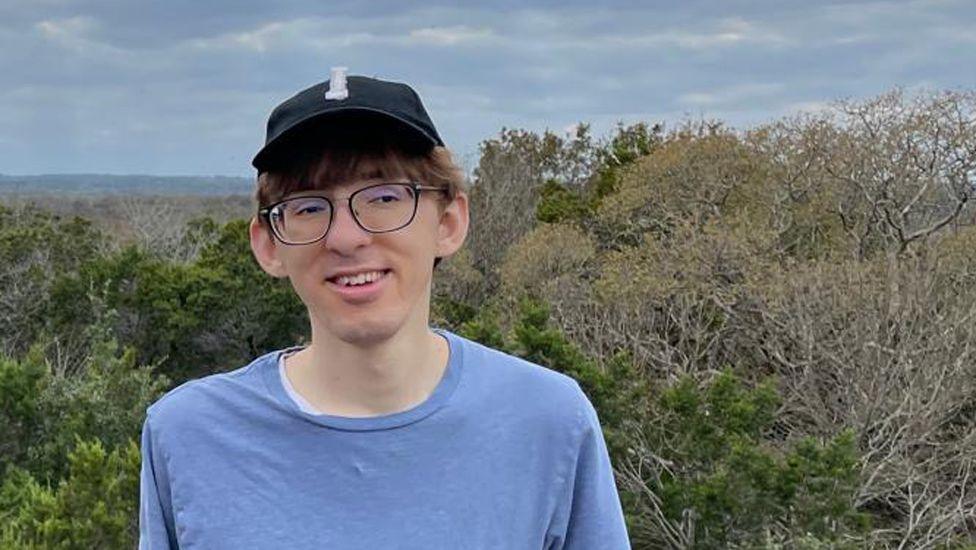
In August, 26-year-old Isaac Valdez suffered an epileptic seizure while at a local library in Waxahachie, Texas, causing him to hit his head and sustain a severe brain haemorrhage. Because he was a Jehovah’s Witness carrying a “No Blood” card, his medical treatment was severely restricted by his religious beliefs, ultimately leading to a procedure to drain fluid from his brain being canceled.
A Tragic Decision and a Sudden Policy Shift
Although Isaac briefly regained consciousness and confirmed his adherence to his faith’s beliefs, he soon slipped into a coma. A neurosurgeon informed his family that an emergency operation requiring a blood transfusion was his only chance of survival, and his family chose to respect his lifelong wishes.
Isaac passed away on 26 August after doctors turned off his life support. Just 23 days later, the Governing Body of Jehovah’s Witnesses announced a major change in teaching that would have permitted Isaac to accept the life-saving treatment.
The updated ruling means the vast majority of medical procedures involving donated blood are no longer prohibited, leaving decisions regarding these treatments up to individual followers. Jacob Valdez, Isaac’s twin brother, expressed deep anger toward the church’s leadership, telling BBC News that he believes his brother might still be alive had the policy change come earlier.
Origins of the Ban and New Explanations
The original restriction on blood transfusions was established in 1945, near the end of World War II, based on interpretations of biblical verses from both the Old and New Testaments prohibiting the consumption of blood. For decades, the rule applied to all forms of transfusions.
Paul Gillies, the international spokesperson for Jehovah’s Witnesses, told BBC News at the denomination’s UK headquarters in Essex that the shift is simply the application of biblical principles to modern medicine. Gillies explained that while whole blood transfusions remain prohibited, the new stance permits blood components such as plasma, red blood cells, and platelets, noting that the Bible mentions abstaining from blood but not its extracted components.
Critics and grieving family members have questioned why it took 81 years to recognize this distinction, given that component-based transfusions have been standard practice for decades. Jacob reached out to congregation elders in Texas following his brother’s death to question the policy, but received little acknowledgment, leaving him demanding a direct apology from church leadership for lives lost.
Impact on Followers Worldwide
Research published in a 2016 medical journal, The Obstetrical & Gynecological Survey, estimated that around 1,100 Jehovah’s Witnesses died annually after refusing treatment involving blood. When asked about these deaths and calls for an apology, Gillies told BBC News that many lives were actually saved because followers avoided blood contamination scandals, and defended the leadership’s timeline.
Not all followers view the policy shift the same way. Alex Ball, 58, a Jehovah’s Witness from West Sussex, told the BBC that he successfully used an alternative blood-boosting method for his cancer treatment in 2012 and would still refuse a transfusion today despite the rule change.
However, others have suffered profound personal costs under the previous rules. Elisha Cummings, 50, from Trinidad and Tobago, was barred from donating blood to save her aunt, and her marriage dissolved after her husband was ostracized for receiving a transfusion as a child. Cummings told the BBC that the sudden policy reversal has left her deeply depressed and questioning her beliefs, though she remains in the faith to avoid isolation.
Addressing those who left or were excluded due to accepting blood transfusions, Gillies stated that any individual wishing to return to the faith will be warmly welcomed back by the elders.