Table of Contents
Americans are increasingly investing in emergency supplies following a series of high-profile technology outages that disrupted email access, bank transactions, and flights. Although government officials have dismissed online rumors regarding malicious causes for the malfunctions, consumers and retailers across the United States are responding to growing anxieties over the stability of digital networks and the national energy grid.
Surge in Emergency Product Sales
Between November 12 and November 17, at least half a dozen major technology disruptions occurred nationwide. According to card transaction data analyzed exclusively for US Top News and Analysis by Consumer Edge, spending at brands specializing in emergency products spiked by approximately 400% during this window compared to the same period in the previous year.
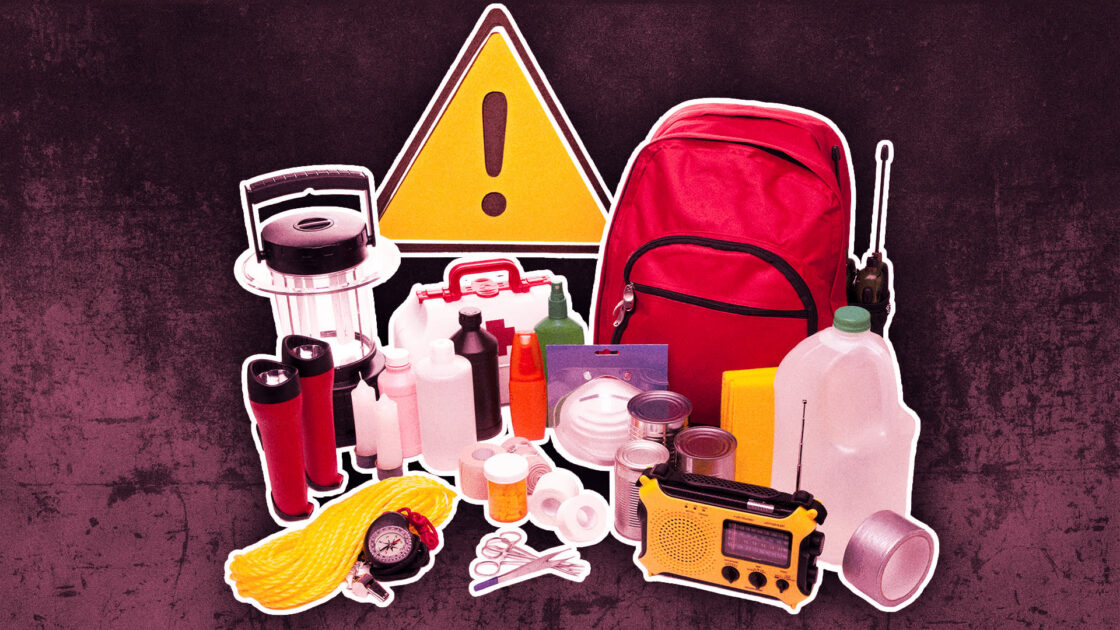
E-commerce sales at Ready America, a company that manufactures emergency survival kits, prepackaged water, and high-calorie food bars, multiplied roughly fivefold in recent days. Corporate clients have also placed orders to restock office emergency supplies. Ready America President Trevyn Reese said the family-owned business experienced water purification tablet shortages and redirected buyers toward prepackaged water pouches, noting that demand has not reached this level since the Covid-19 pandemic lockdowns more than six years ago.
Data indicates that consumer concerns had been mounting for weeks prior to the power-related incidents. Purchases from emergency preparedness brands began to climb late last month around the time Fox News reported that the Pentagon was preparing military bases for 90 days of independent operation. These fears were amplified by ongoing conflict involving Iran, which President Donald Trump suggested could escalate.
Meanwhile, the National Shooting Sports Foundation (NSSF) reported that gun sales rose about 8% in October compared to the same month last year, with demand remaining high into November due to midterm election uncertainty and the recent outages. Mark Oliva, NSSF’s managing director of public affairs, stated that consumers are directly prioritizing personal and family protection.
Wall Street and Financial Markets React
Financial institutions have also taken notice of the shift in consumer behavior. Mizuho informed clients that consumer worries over outages and social media speculation drove shoppers to buy emergency supplies in bulk at Costco, leading the bank to forecast that a key measure of Costco’s non-fuel sales growth for November will surpass 10% for the first time since 2022. RBC reported that doomsday prepping has visibly influenced global purchasing patterns, boosting sales for specific shelf-stable proteins, dry-pantry foods, and water purification items.
Richard McWhorter, a private wealth advisor at SRM, noted that his clients are buying goods in bulk at Costco and purchasing power generators, while also inquiring about financial system disruptions. Max Baecker, president of metal dealer American Hartford Gold, reported increased inquiries for gold as a safe-haven asset, driven by anxieties over digital financial reliance following a transaction glitch at JPMorgan Chase.
Political figures and intelligence officials have addressed the public reaction to the malfunctions. U.S. Director of National Intelligence Jay Clayton told US Top News and Analysis that the disruptions were not the result of a foreign cyberattack. However, Sen. Mark Warner, vice chairman of the Senate Intelligence Committee, stated that people were shaken by the outages and noted that the country has narrowly avoided major crises stemming from rogue artificial intelligence agents.
Macro Hive CEO Bilal Hafeez suggested that investors might push companies to increase cybersecurity spending to mitigate risks associated with autonomous AI agents. Concurrently, the Global X Cybersecurity ETF (BUG) rose about 3% over a two-week period, contrasting with declines in other AI-related equities and broader technology trades, as the Nasdaq Composite dipped into negative territory for 2026.
Shifting Public Sentiment
Public reaction remains varied. While some social media users posted satirical TikTok videos about preparing by visiting Starbucks drive-thrus or buying alcohol, search interest in emergency readiness has grown significantly. U.S. Google searches for “prepping” doubled over the past month compared to the previous year, and YouTube queries for “survivalism” videos increased by over 5,000%.
Sabrina Cepeda, a 39-year-old mother of three from Houston, stated she purchased propane, lighter fluid, and non-perishable foods to ensure her family remains provided for during a potential localized emergency. Having previously utilized emergency food supplies during severe weather events such as Hurricane Harvey in 2017 and Winter Storm Uri in 2021, Cepeda explained that this year marks the first time she feels compelled to prepare specifically for technology-driven disruptions, including keeping extra cash and vehicle fuel available.
Cepeda and her husband concluded that society relies too heavily on technology, emphasizing the need to manage basic necessities through more traditional methods.