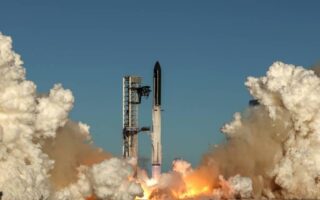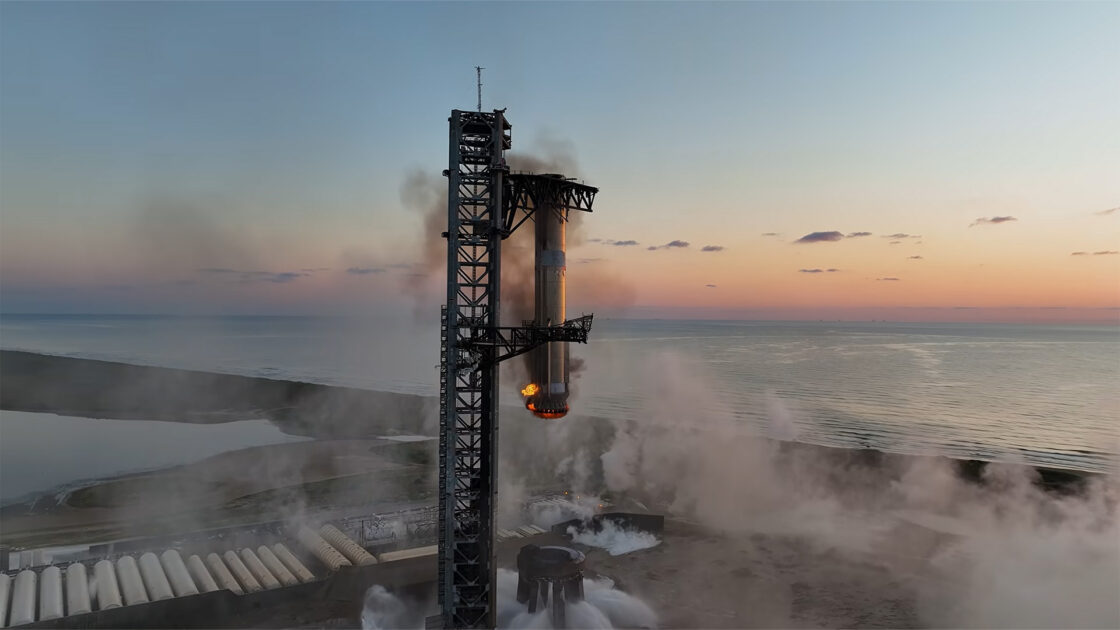
SpaceX is preparing for its next major milestone in rocket reusability by attempting to catch both stages of its Starship rocket on Flight 15. The mission marks the first time the company will try a double catch of the Super Heavy booster and the upper stage.
Launch Schedule and Mission Details
SpaceX is launching Flight 15 into orbit on Friday, Nov. 13, utilizing a 75-minute launch window that opens at 5:45 p.m. ET. During the mission, the Starship will deploy 26 Starlink V3 satellites, complete 14 orbits around Earth, and return on Saturday. This follows a history of over 280 launches dating back to 2025.
The upcoming flight features two unprecedented objectives for the aerospace company. First, SpaceX will attempt to catch its latest Super Heavy V3 booster using Mechazilla, the launch-and-catch tower at its Boca Chica, Texas facility. While the company has successfully caught the V1 booster three times, this is the first attempt for the V3 model, with the tower using chopstick-like arms to grab the rocket out of midair.
The second unprecedented goal involves recovering both stages of the rocket. Previous missions saw only the booster caught by Mechazilla while the upper stage landed in the ocean, but SpaceX now aims to catch the upper stage upon its return on Saturday.
How to Watch and Contingency Plans
SpaceX will stream the flight on its website and its X account, with coverage beginning Friday at 5:15 p.m. ET, 30 minutes before the launch window opens. The broadcast is expected to cover the launch and the Super Heavy V3 catch, which should occur roughly 6.5 minutes after liftoff, along with extended live views of Starship in orbit.
The company has not confirmed whether it will broadcast the second catch upon Starship’s return on Saturday, Nov. 14, which is scheduled for 4:17 p.m. ET barring any delays. If a stream is provided, it will be hosted on the same official channels. In the event of a launch delay caused by weather or technical issues, SpaceX has not yet announced a backup launch date.