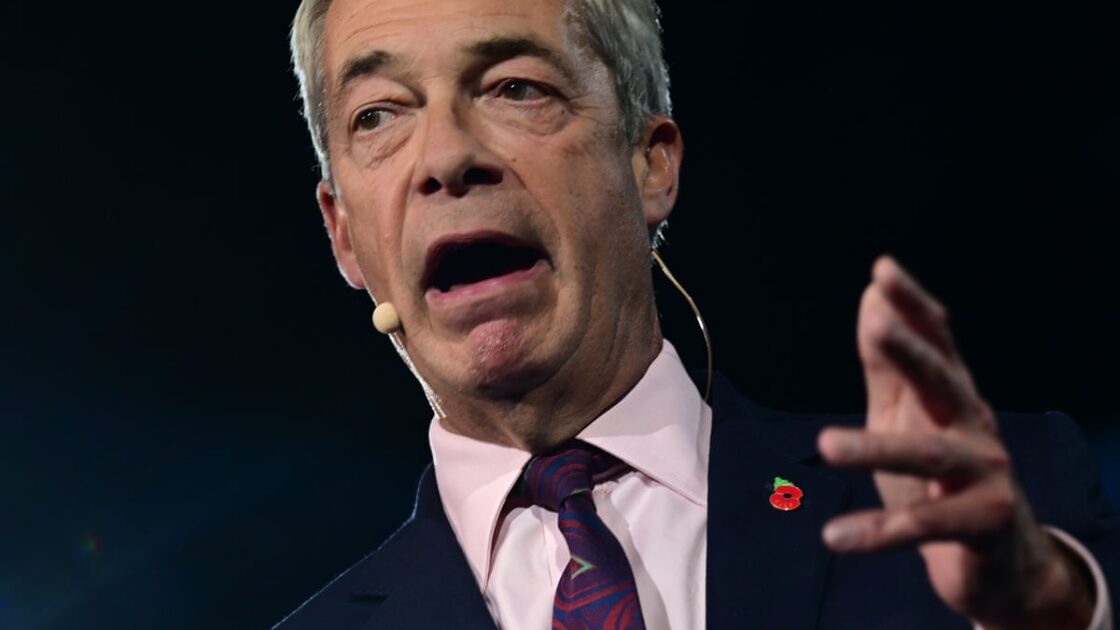
Recent criminal charges and controversial remarks involving Reform UK members have put the spotlight on the party’s candidate vetting procedures. The incidents highlight the difficulties faced by the party as it attempts to expand and professionalize at an unprecedented speed.
Recent Controversies and Member Charges
Following a press conference, Reform UK leader Nigel Farage expressed frustration when questioned about George Madgwick, a Hampshire county councilor and former party leader who remained in his role nearly 10 months after being arrested in January. Madgwick faces 35 charges, including 12 allegations of rape, and has maintained his innocence. Farage stated that he only learned of the situation recently and was unhappy about it.
This incident followed revelations that a member of Farage’s security team during the local elections, Ryan Dinnage, was facing a rape charge at the time. Reform UK stated they were unaware of the charge and that Dinnage stopped working for the party once it came to light. Additionally, a suspended Sunderland city councilor, Glenn Gibbins, is scheduled to appear in court facing a charge of making grossly offensive social media posts about Nigerians, a charge he denies.
Beyond criminal charges, the party has frequently faced calls to disown candidates over prejudiced or offensive comments, often posted on social media. A notable example was Robert Kenyon, whom Reform backed for a byelection before past comments emerged expressing skepticism about vaccines, interacting with far-right figures, and making a lewd remark about a television presenter.
Candidate Screening and Internal Challenges
Farage has previously faced questioning over vetting, blaming an external company for inadequate background checks before the 2024 election. Vetting was subsequently brought in-house under different figures, including Paul Nuttall, the party’s deputy chair and former Ukip leader.
Reform UK remains tight-lipped about its current screening process. While intemperate social media posts are not automatically disqualified under a system intended to balance party reputation with individual freedom, regional events involve unscripted speeches and mock interviews. A Conservative official familiar with Reform’s approach noted that the process relies heavily on prospective candidates being honest about their past.
According to the official, while all political parties depend to some degree on candidate integrity, vetting typically involves detailed employment histories and rigorous interviews. An undercover documentary by ITV also captured a regional chair advising a prospective candidate to delete problematic social media posts.
Party officials point out that identifying individuals who have been arrested or charged is difficult unless candidates disclose the information themselves. When scaling up to seek hundreds of candidates simultaneously, political parties must rely on informal knowledge, intensive questioning, and trust.
While Farage strongly rejects claims that Reform’s internal culture is more toxic than that of rival parties, the organization must establish a reliable vetting system to match its rapid growth.