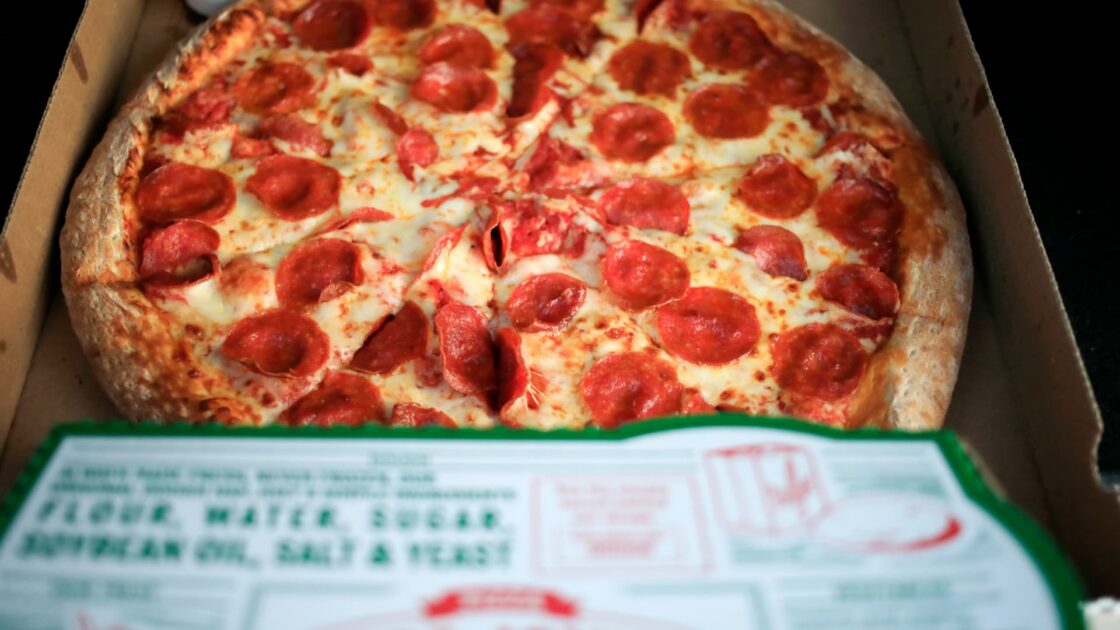
Pizza chains currently face significantly more competition for consumer dollars than they did in 2020. Third-party delivery platforms that gained popularity during the pandemic now offer a wide array of cuisines beyond traditional pizza and Chinese food. Consequently, Domino’s and Papa John’s must compete directly with fast-food chains like McDonald’s and Chick-fil-A for orders on platforms such as DoorDash and Uber Eats.
Rising Costs and Alternative Options
As pizza has become more expensive, a pie looks less attractive to budget-conscious diners. Data from the 2026 Pizza Power Report by trade publication PMQ Pizza shows that the average large cheese pizza now costs nearly $17.
Frozen pizza provides another convenient alternative with a lower price tag. NielsenIQ data indicates that retail sales for single- and multi-serve frozen pizzas increased by 2.9% in the 52 weeks leading up to November 7 compared to the same period in 2022.
David Portalatin, a food and food service industry advisor for Circana, explained that pantry, refrigerator, and freezer items win every time when American consumers focus on the least expensive eating occasions.
Convenience stores such as Casey’s General Stores have also attracted customers by offering lower-priced pizza. In a June research note, Bank of America Securities analyst Sara Senatore stated that Casey’s holds an advantage over quick-service restaurants and dollar stores because those competitors have fewer options to navigate ongoing inflation, whereas Casey’s can offset food pressures through margins. Senatore also noted that geographic overlap implies Casey’s is taking market share away from Pizza Hut.
Nutritional Shifts and GLP-1 Usage
The largest pizza chains have been slow to adapt to changing consumer views on nutrition. Among the top four chains, Papa Johns stands out as the only one to test a pizza crust containing added protein to match consumer dietary priorities, and that test ran at a single Atlanta restaurant for only one day.
Broader nutritional content also weighs on the category. The carbohydrate and fat levels found in pizza dough and cheese make the food less appealing to individuals taking GLP-1 weight-loss drugs, the use of which has surged over recent years. A 2026 survey published by PwC revealed that spending at pizza quick-service restaurants dropped 22.2% per GLP-1 household after six to eight months of medication use.
Despite these challenges, Portalatin noted that the difficulties do not signal an existential crisis for the category, pointing out that total pizza servings are down only about 1% this year.
Major chains are actively working to reverse the decline in servings. Domino’s introduced the Domino—a customizable Detroit-style personal pizza aimed at solo diners—in August. In November, Papa Johns introduced a turnaround plan centered on improving restaurant operations and food consistency, while Pizza Hut launched a holiday-themed meal deal.
Portalatin emphasized that pizza remains secure, stating that the American consumer loves the food.