Diplomats gathered in Geneva for a United Nations meeting to work toward establishing regulations on autonomous weapons, commonly known as killer robots. Representatives concluded the sessions by agreeing only to start discussing options following a largely unproductive week of negotiations.
Calls for Urgent Action
Prior to the start of negotiations, the International Committee of the Red Cross emphasized the urgency of drafting legally binding rules within a single year. The United Nations secretary-general and Pope Leo supported this appeal for swift action.
As a compromise, nations were granted a two-year period to propose regulations. Discussions among countries regarding which rules to implement and how to enforce them are expected to extend significantly past that timeframe. Furthermore, provisions were included allowing certain future regulations to stay optional.
Obstacles in Negotiations
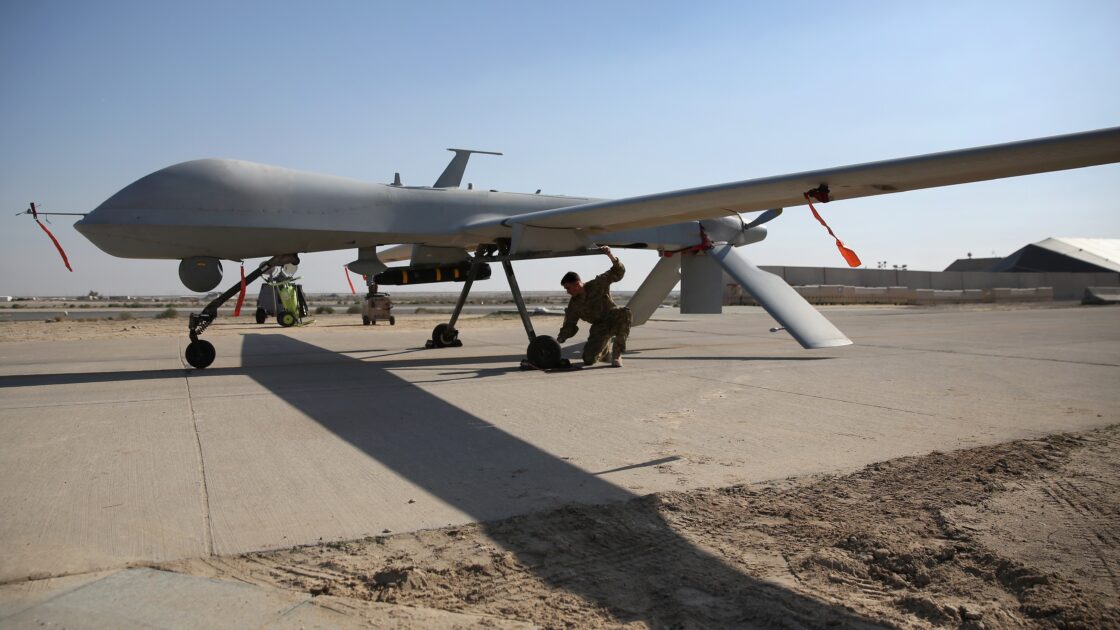
Humanitarian groups and several nations argue that legally binding rules are urgently required because semi-autonomous weapons and drones have caused numerous civilian casualties in global conflicts, such as those in Ukraine, Gaza, and Sudan.
During the talks, Russia, Israel, and the United States emerged as the main obstacles. NPR reported that Russia obstructed proceedings on the first day by challenging the meeting agenda, while the United States subsequently suggested a five-year timeframe for debating nonbinding, optional guidelines concerning autonomous weapons.