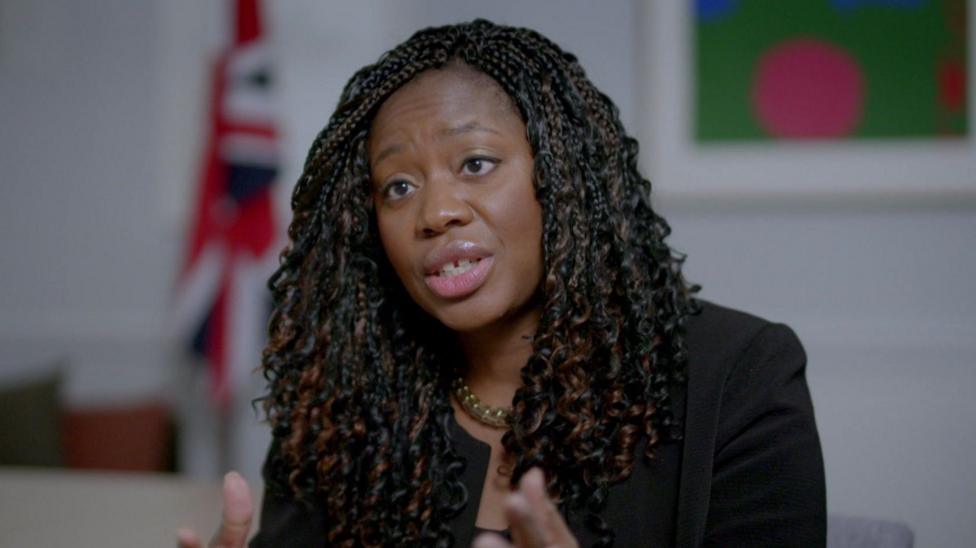
Energy Secretary Miatta Fahnbulleh has stated that affordability is her overriding objective as she emphasized that reducing bills is key to maintaining public support for climate action. Speaking to BBC News, she insisted that the government’s push for cleaner power would help lower energy bills in the long term, while conceding that the drive to reduce carbon emissions is currently under pressure amid discontent over rising prices.
Challenges Facing Climate Ambitions
Ministers are currently grappling with how to respond to a predicted surge in energy prices in January, which is expected to mark the biggest rise in bills for four years. The Labour government has faced extra political pressure over its climate ambitions since coming to power, driven by the rise of Reform UK in opinion polls and the Conservative Party under Kemi Badenoch abandoning their previous net zero by 2050 target.
Both opposition parties have targeted public subsidy schemes for renewable electricity, arguing that the push for cleaner energy has increased consumer costs. UK households currently face some of the highest electricity rates in Europe, with bills climbing due to subsidies and high gas prices driven up by international conflicts.
Path to Affordability and Net Zero
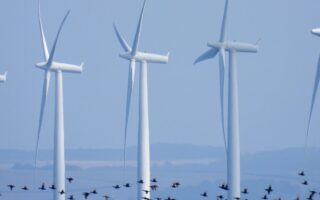
Told by BBC News that her main task was managing costs, Fahnbulleh replied that affordability is her overriding objective given the biting cost of living. She argued that Labour’s push for greener electricity provides a route to affordability by decoupling the nation’s dependence on global fossil fuel markets through homegrown renewables and nuclear power.
Fahnbulleh acknowledged that struggles over energy affordability are part of the reason public consensus on climate action is under pressure. She stated that maintaining public consent requires proving that the necessary climate transition is beneficial for people’s finances.
Despite these challenges, Fahnbulleh insisted that reducing carbon emissions remains a priority, pointing to recent summer droughts as evidence of global warming. However, she conceded that the government’s target for 95% of British electricity to come from clean power sources by 2030 is a stretch.