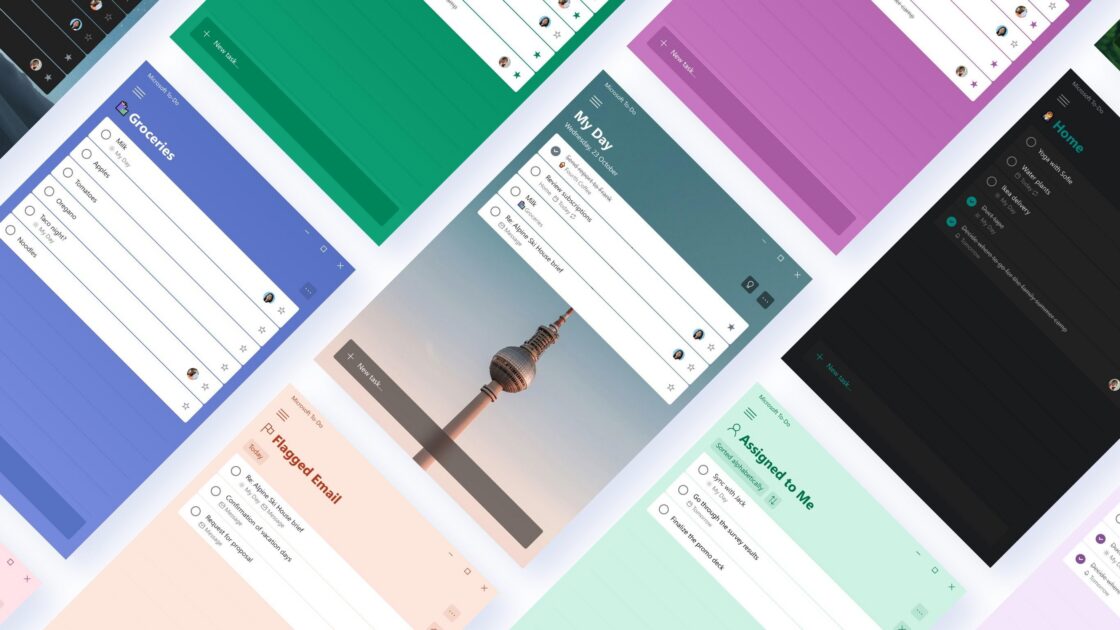
Microsoft has announced that it will officially retire its To Do application on June 30, 2027. The shift is part of an initiative to consolidate task management services under the Planner platform and integrate them more closely with Copilot across Microsoft 365.
Changes for Enterprise and Personal Users
The phase-out will create significant workflow adjustments depending on how users access the software. Commercial customers will be expected to transition their task management to Planner beginning next summer, though Microsoft noted that user tasks will not transfer automatically. Meanwhile, personal account holders will be left without a direct equivalent inside the service, as Planner is not offered under personal or family Microsoft 365 plans.
In an official blog post outlining the product roadmap, the company stated, “Customers using personal Microsoft accounts will need to choose another app.”
Consolidation Around Planner and Copilot
The shutdown marks the eventual end of the technology Microsoft gained through its 2015 purchase of Wunderlist, a transaction rumored to have reached $200 million. While the company preserved the core experience when rebranding it into Microsoft To Do, company strategy has increasingly prioritized unified enterprise tools. The Verge reported that Microsoft did not respond to an inquiry regarding the decision.
The change also reflects Microsoft’s effort to reduce redundancies across its workplace applications. Currently, users face overlapping functionality across several tools, and centralizing them under Planner is intended to streamline features alongside the company’s Copilot workspace assistants. However, Planner operates primarily as a collaborative project tracking tool designed for workplace administration rather than a simple personal checklist. Unlike To Do, Planner does not offer a standalone desktop application and must be accessed via web interfaces, Outlook, or Microsoft Teams.
Because personal Microsoft accounts will lose access to the service, consumers looking for alternative task trackers will need to look elsewhere, including independent services such as Todoist and TickTick, or competitor platforms like Google Tasks.