Table of Contents
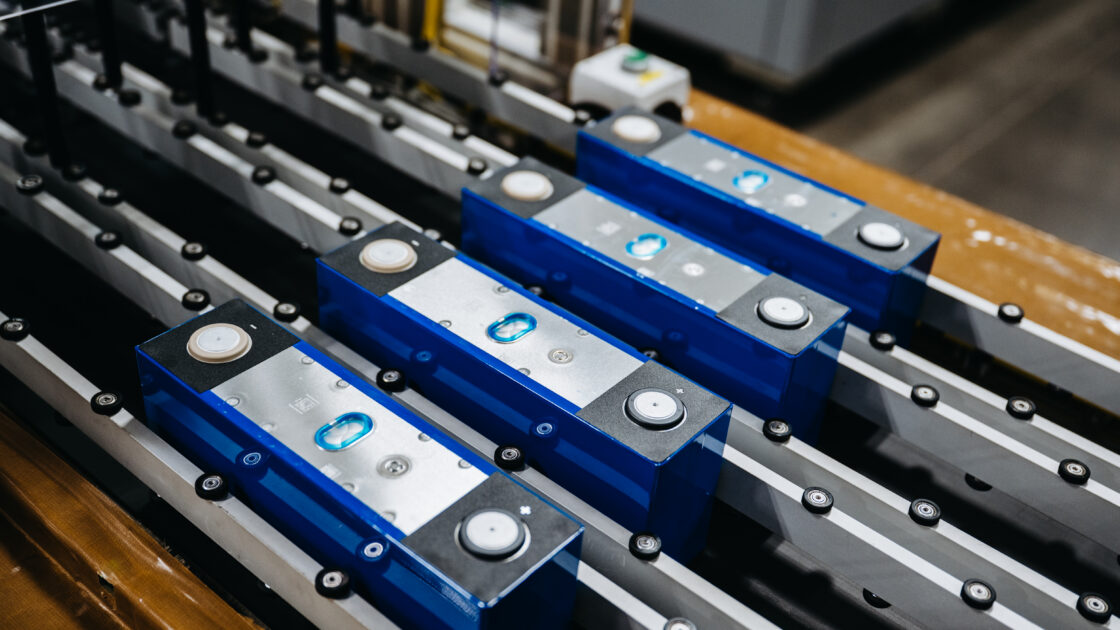
Ford has started shipping its first lithium iron phosphate electric vehicle battery cells from its newly opened BlueOval Battery Park in Marshall, Michigan, to its Louisville Assembly Plant in Kentucky. As reported by CNET following a plant tour, these prismatic cells will power early prototypes and validation vehicles for the upcoming Ford Fathom electric pickup truck.
Inside the Michigan Battery Facility
The BlueOval Battery Park facility spans 2 million square feet and represents a $3 billion investment, targeting an annual production capacity of 20 gigawatt-hours. Ford expects to employ 1,700 workers at the location across two 12-hour shifts operating around the clock. Entering the clean facility requires donning full protective gear, passing through magnetic and sticky floor panels to remove metal particles, and walking through air-blower airlocks to eliminate dust.
The interior features a nearly one-mile-long hallway where raw materials enter at the eastern end and finished battery packs will eventually exit at the western end. The first 0.7 mile is dedicated to cell production, utilizing separate cathode and anode lines that converge midway for final assembly. Plant manager Tracy Church told CNET that the assembly lines can produce 40 cells every minute, making it among the fastest LFP prismatic lines outside of China.
Why Ford Chose LFP Prismatic Chemistry
Ford engineers, battery experts, and executives stated that the automaker selected lithium iron phosphate chemistry in a rectangular prismatic format for its affordability and structural advantages. Because LFP avoids nickel and cobalt, it keeps material costs down while supporting bidirectional charging. To maintain eligibility for Inflation Reduction Act manufacturing credits without using a Chinese supplier for the finished product, Ford licensed the technology from CATL.
Ford emphasized that the plant is entirely US-owned, staffed, and operated, remaining compliant with regulations regarding foreign entities of concern. Charles Poon, who leads vehicle hardware engineering, explained that they designed a unique cell specifically for Ford’s new Universal Electric Vehicle platform rather than copying an existing catalog part. This taller cell provides the required energy density, affordability, and durability while allowing tighter integration into the vehicle design.
Building the Battery Components
Manufacturing the cells involves coating meter-wide rolls of copper and aluminum with a chemical slurry, baking them, and splitting them into 10 smaller rolls with notched edges. AI-powered vision systems inspect the foil for defects as it moves through the machinery. The cathode and anode foils are then layered, rolled into cylinders, and pressed flat into rectangular shapes with rounded ends known as jelly rolls.
Pairs of jelly rolls have their tabs folded together, ultrasonically welded to terminals, and laser-welded to a cap before being sealed inside an aluminum box resembling a masonry brick. Workers then vacuum out the air, check for leaks using helium, and add liquid electrolyte. While the plant currently only ships individual cells to Kentucky because the pack-manufacturing section is still undergoing validation, Ford aims to produce 50 complete battery packs per hour once full pack operations launch ahead of the Fathom’s 2027 market release.
Ford expects to sell the upcoming Fathom at an estimated base price of $28,350, or $29,945 including the destination and delivery fee, with preorders anticipated to open early next year.