Table of Contents
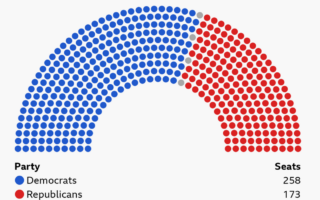
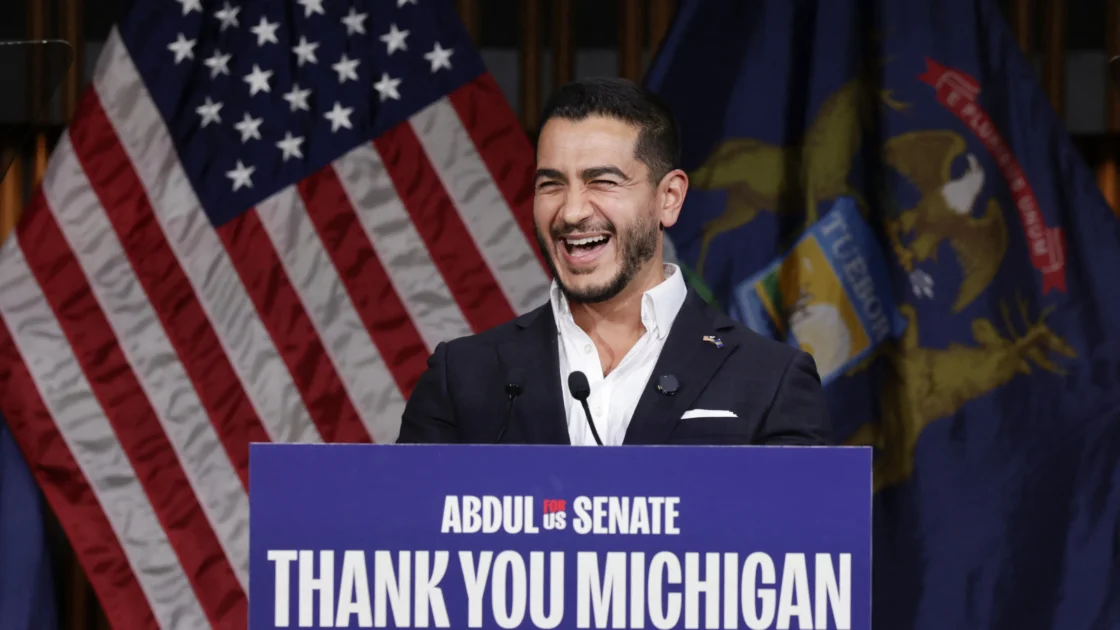
The debate over universal government-funded healthcare is returning to Washington following midterm elections that brought several candidates to power who campaigned on Medicare for All. Newly elected Democratic senators from Michigan, Maine, Iowa, and Texas, alongside many of their colleagues, are preparing to push new Democratic majorities in the House and Senate to tackle healthcare affordability.
Public Support and Defining the Policy
According to reporting by NPR, the broad popularity of universal healthcare often masks a lack of public understanding about what the policy actually entails. Nicholas Bagley, a law professor at the University of Michigan, described the term as cosplay, noting that people generally associate it with good healthcare and wanting more of it.
Mollyann Brodie, executive vice president and chief operating officer at KFF, explained that survey support for Medicare for All fluctuates significantly depending on how the policy is explained. Approval can rise to roughly three-quarters when framed as a guaranteed right or a way to eliminate premiums and reduce out-of-pocket expenses, but it can drop into the 20s if described as requiring higher taxes or threatening the existing Medicare program.
Financial and Political Challenges
Democrats also face significant financial hurdles within the current Medicare system, which covers adults aged 65 and older and certain individuals with disabilities. Projections indicate that the trust fund supporting the hospital insurance portion of the program will become insolvent in 2033. Beneficiaries already face rising costs, including substantial out-of-pocket spending on premiums, deductibles, and coinsurance, while traditional Medicare omits coverage for dental, vision, hearing, and long-term care.
Furthermore, Democratic leaders must determine whether their primary focus should be reversing spending cuts made during the Trump administration to Medicaid and Affordable Care Act health plans, or pursuing broader coverage expansions and cost reductions. Representative Hakeem Jeffries of New York voiced support for expanding government-funded coverage by lowering the Medicare eligibility age and covering all children.
Even if Democrats successfully pass legislation, President Donald Trump, who has previously labeled Medicare for All a socialist takeover, is widely expected to issue a veto. In addition, the expanded Democratic majorities will include ideologically diverse members, ranging from progressives pushing for sweeping reforms to moderates from swing districts.
Shifting Public Sentiment Toward Private Insurance
Despite these challenges, public attitude toward the current healthcare system may be shifting. Unlike previous reform efforts in 1993 and 2009—where widespread satisfaction with existing coverage created heavy resistance to major overhauls—recent data points to deeper public dissatisfaction.
A KFF tracking poll in September found that professed support for Medicare for All reached its highest level since the organization began tracking the issue. For the first time, a majority of respondents stated they would support the policy even if it meant eliminating the private insurance industry, indicating a public willingness to risk a completely new system.