Table of Contents
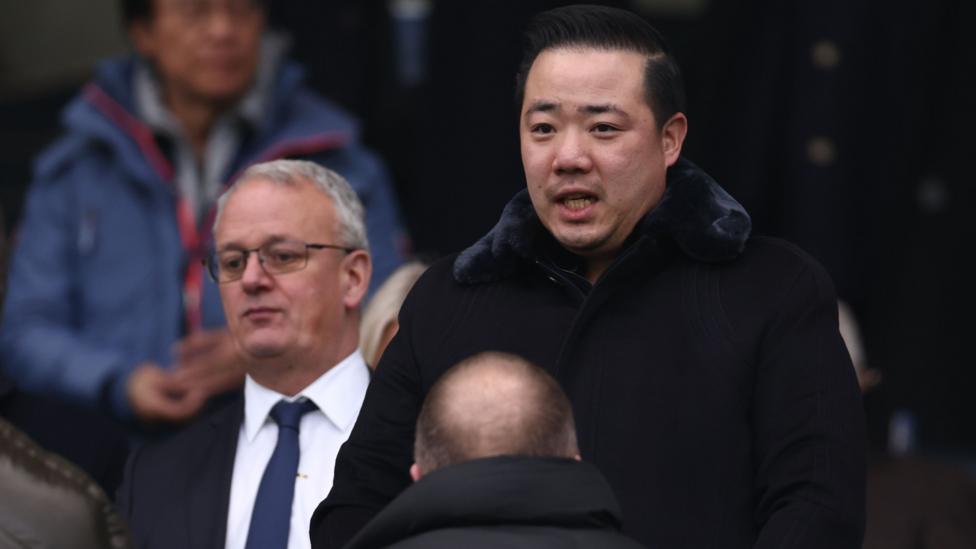
Leicester City owner Khun Aiyawatt ‘Top’ Srivaddhanaprabha has confirmed that the club is no longer up for sale, following a failed attempt to attract new investment. Srivaddhanaprabha stated that the club will now focus on rebuilding after a period of significant decline.
End of the Sale Process
The club was put on the market during the summer after back-to-back relegations dropped the team from the Premier League and straight through the Championship into England’s third tier, marking only the second time in the 142-year history of the club that they have fallen this low. US investment bank Citigroup produced a sales brochure setting an asking price of over £200 million for the League One side.
Although Leicester never publicly acknowledged the sales process, with chief football officer Jon Rudkin declining to comment on speculation in October, Srivaddhanaprabha admitted that no buyers were found during the search. In an open letter to supporters on the club’s website, he explained that a structured process was undertaken to explore new investment or ownership changes, but as discussions yielded no agreements, he decided to conclude the process to refocus on moving the club forward.
Fan Relations and Family Legacy
The team’s struggles—featuring three relegations in four years after years of yo-yoing between divisions—have strained relations between supporters and the ownership. Despite past successes funded by King Power, including the 2016 Premier League title and the 2021 FA Cup win, recent overspending on an underperforming squad prompted many fans to demand a sale.
Srivaddhanaprabha expressed a deep connection to Leicester and its people, noting that his bond with the club goes beyond sporting triumphs. He referenced the tragic death of his father and predecessor, Khun Vichai, in a 2018 helicopter crash outside the stadium. Stating that Leicester City has been a major part of his family’s life through both extraordinary and difficult moments, he admitted that recent struggles—including a points penalty last season for breaching spending rules—have caused him to reevaluate the club’s direction.
Financial Position and Leadership Changes
Earlier this year, Srivaddhanaprabha told BBC Radio Leicester that he takes the blame for the club’s decline, emphasizing the need to make better decisions and learn from past experiences. He maintained that King Power continues to ensure the financial position of the club is secure, though he acknowledged that work is necessary to establish long-term sustainability.
He explained that recent decisions have focused on supporting the club’s immediate circumstances while building organizational discipline and financial resilience for future growth. Alongside this strategic refocus, Srivaddhanaprabha confirmed that chief executive Kevin Davies, who assumed the role in March following a leadership shake-up, will step down in December.