Table of Contents
The European Commission proposed a €50 billion ($54.73 billion) equity financing fund on Wednesday to boost artificial intelligence and quantum computing in Europe.
Boosting European Tech Competitiveness
The draft “Quantum Act” aims to help Europe compete in a race against the United States and China. EU tech chief Henna Virkkunen stated that quantum technologies will shape the future of industry, security, and innovation, adding that they will have a profound impact on societies and that Europe needs to accelerate now. In a statement reported by Deutsche Welle: DW.com, Virkkunen said that they want to build a fund with a target scale of €50 billion, calling it a sufficient starting point. Virkkunen introduced the officially named Sovereign Tech Equity Fund while presenting new rules to support Europe’s quantum technology sector.
The new rules will push public authorities to favor European companies when giving public contracts and funding. The European Union also wants to reduce its dependence on third countries amid concerns that US companies could use kill switches to disable their products in Europe.
The Significance and Risks of Quantum Tech
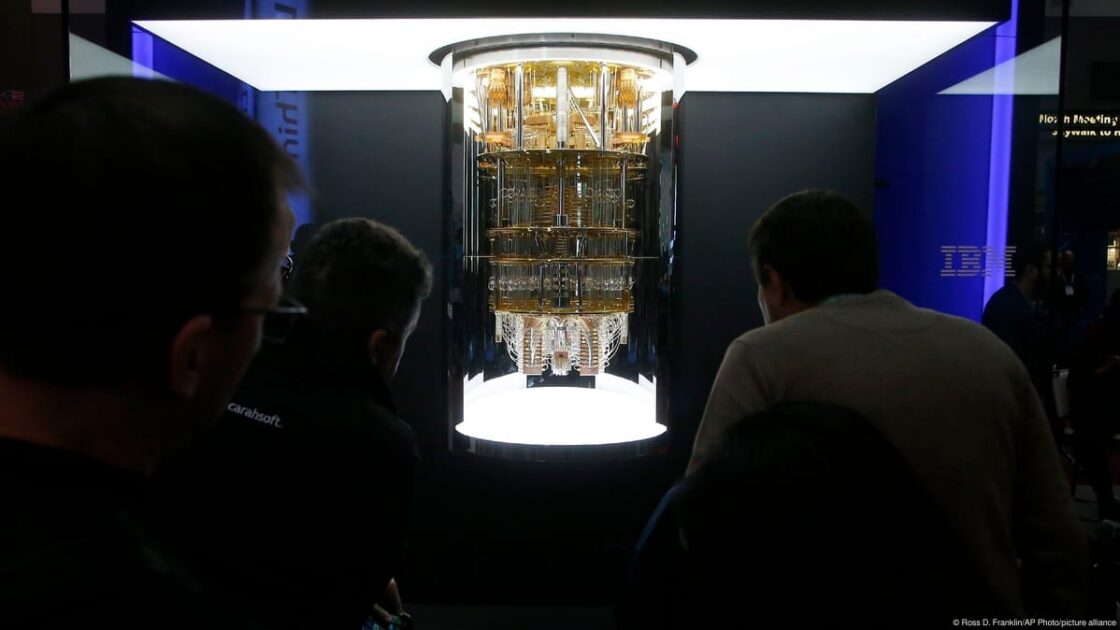
Quantum computing technology is still at the early stages of development, with both the US and China competing to achieve dominance in the field. While classical computers process data using bits, which are either 0 or 1, quantum computers use qubits that can exist in a blend of both states at once. By using qubits, these machines could eventually solve complex problems much faster than today’s supercomputers.
The EU expects quantum computing to lead to breakthroughs in several areas, including drug development, earlier medical diagnoses, super-efficient batteries, and AI development. Although quantum technology offers significant potential, it also poses cybersecurity risks, as it could undermine encryption and other safeguards for digital data at a time when governments are battling AI-driven cyberattacks.
Market Position and Next Steps
Around one-third of the world’s quantum companies are based in the European Union, according to the Commission. Last year, public funding for quantum technologies reached €8.6 billion in the bloc, compared with €5.3 billion in the United States and €13.6 billion in China. However, European quantum start-ups have attracted €1.1 billion in private funding so far, compared with €7 billion in the United States.
The EU launched its quantum Europe strategy in July 2025, aiming to be a global leader in quantum technologies by 2030. The bloc is already a global leader in quantum research but falls short when it comes to transforming this into viable commercial opportunities. The draft legislation must be negotiated with EU member states and the European Parliament in the upcoming months before it can be law.