Table of Contents
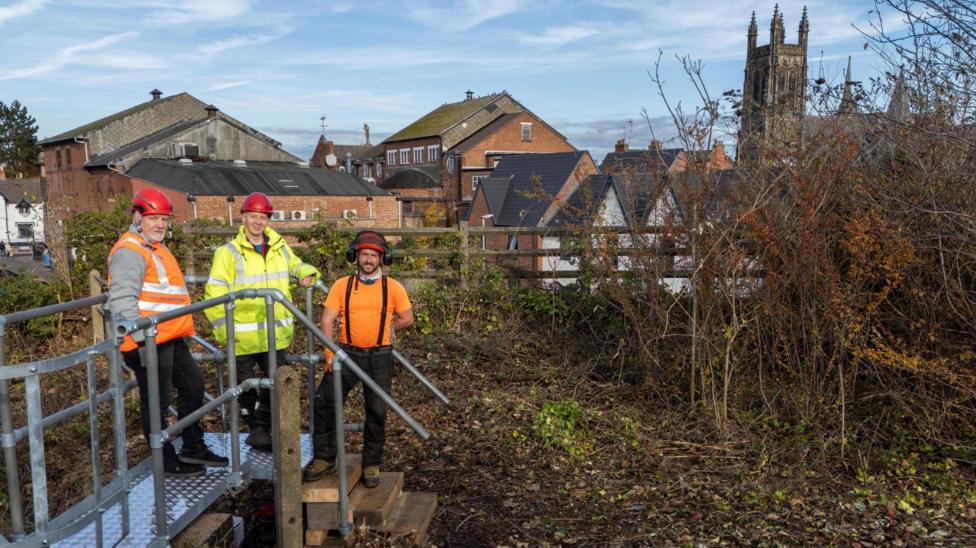
A project to transform a disused railway viaduct into five themed gardens has reached a major milestone as organizers gained access to the top of the structure for the first time. The Leamington High Line Community Interest Company (CIC) successfully raised funds to install a ladder and platform at the Bath Place section, opening up the former track bed.
Unveiling the Vision for the Viaduct
Alongside gaining access, the group published the first conceptual drawings of the proposed gardens. Derrick Knight, a director of the CIC, stated that they intend to turn the neglected heritage structure into a place the town can enjoy for generations. The initiative aims to build five themed gardens that will connect the railway station with Leamington’s creative quarter and the eastern part of the town.
The 500-metre structure was built in 1844, running from Lower Avenue to the Victoria Business Centre on Neilston Street. It transported both goods and passengers from the late 19th century until the 1960s. Although the line closed six decades ago, the brick-and-masonry arches remained standing.
Surveys and Planned Garden Themes
With access now established, the team can begin evaluating the condition of the brickwork and local wildlife. Alan Bartlett, another project director, explained that their initial task involves surveying for bat roosts and clearing self-seeded plants and trees. He noted that these plants are damaging the brickwork and pushing roots into the arches where local businesses operate, making their removal beneficial for both the structure and neighbors.
If approvals are granted, the old track bed will house five distinct themed areas:
- Faith Garden: Features a renovated railway carriage functioning as a cafe and bar.
- History Garden: Illustrates the story of the viaduct’s 1844 construction.
- Hope Garden: Operates as a community allotment with a long table spanning its length.
- Solar Garden: Includes pergolas equipped with energy-generating solar panels.
- Sky Garden: Serves as the longest garden, offering seating and a venue for community events.
Funding and Design Plans
London-based landscape architects Greenwood-Hill were appointed by the CIC to develop the preliminary vision for the planting and layout. A representative for the design firm described the sketches as early ideas to make the High Line greener, more accessible, and welcoming for both people and wildlife, praising the community-led vision.
Ian Dunning, another director with the CIC, estimated that the majority of the project could open to the public within five years, while noting that grant funding still needs to be secured through ongoing applications. The entire undertaking is projected to cost between £10m and £50m, though Dunning expressed confidence that the final cost will fall below the higher estimate. Funding relies entirely on grants and donations, following a model similar to elevated urban parks in Manhattan and Seoul.