Table of Contents
Politicians attempting to engage voters outside traditional political spheres is nothing new, with figures from Margaret Thatcher to Tony Blair utilizing popular media channels. However, the current debate surrounding Prime Minister Andy Burnham focuses on whether Downing Street’s heavy reliance on social media influencers has gone too far.
The Social Media Strategy at No 10
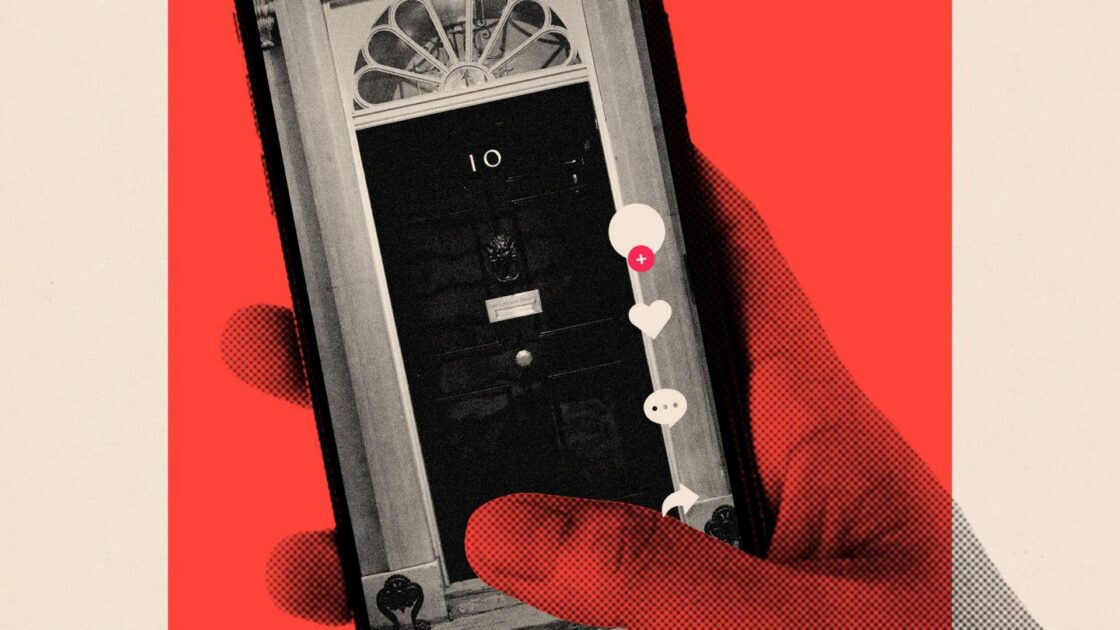
From the start of his campaign with black T-shirt Instagram posts and unboxing videos, Burnham has embraced digital platforms more than any predecessor. Since moving into No 10, he has dedicated significant political energy to TikTok, Instagram, websites like Ladbible, and podcasts.
The recent controversy began when a video posted by online influencer Max Balegde, also known as Max Trobe, following a Downing Street event was deemed unacceptable by No 10 and subsequently deleted. Political rivals seized on the incident, accusing the prime minister of dodging tough traditional questioning in favor of youth-oriented influencers. A senior Westminster journalist told BBC News that while the comments outside No 10 were offensive, successive prime ministers have attempted to reach audiences through influencers with mixed success for years.
Past examples include Tony Blair appearing on television quiz shows and David Cameron taking questions from reality television stars for Heat magazine. Gordon Brown famously claimed to be an Arctic Monkeys fan before admitting the PR attempt was a disaster. What sets Burnham apart is the sheer scale of his modern digital communications, reflecting a busier online media landscape.
Scrutiny Versus Access
The backlash may partly stem from traditional media outlets fearing their influence is being drowned out by digital noise, though many legacy organizations also maintain massive online presences. Despite the recent embarrassment, Downing Street insiders indicate no intention of shifting strategy, noting positive personal encounters with the public on platforms like TikTok.
Yet, the row highlights concerns over the difference in content and accountability. One experienced Westminster editor told BBC News that Burnham’s team clearly failed to vet the influencers adequately. A prominent content creator suggested that Downing Street avoids journalistic content creators who might hold the prime minister to account.
Unlike journalists, influencers often operate under conditions set by politicians, such as submitting questions in advance or lacking independent filming rights. A senior political journalist warned that when access is prioritized for content creation rather than questioning, the public loses out. Furthermore, online material is sometimes government-funded advertising, blurring the line between propaganda and genuine public debate.
Balancing Digital Reach and Traditional Accountability
Downing Street defended the prime minister’s commitment to traditional scrutiny, pointing to five broadcast interviews, two press conferences, three shared broadcast interviews, and 113 parliamentary questions answered since Monday. Burnham’s first television interview as prime minister and a live conference interview were both conducted with BBC One.
A senior media executive noted that the prime minister risks looking like he is avoiding proper journalists during a national crisis. However, because this communication style has transformed Labour’s poll numbers, the strategy will remain in place for now.
The controversy serves as a reminder that digital outreach must be balanced with rigorous oversight. As the senior Westminster editor observed, without proper scrutiny, a government risks making mistakes, meaning leaders must engage with influencers while ensuring they face independent questioning.