Table of Contents
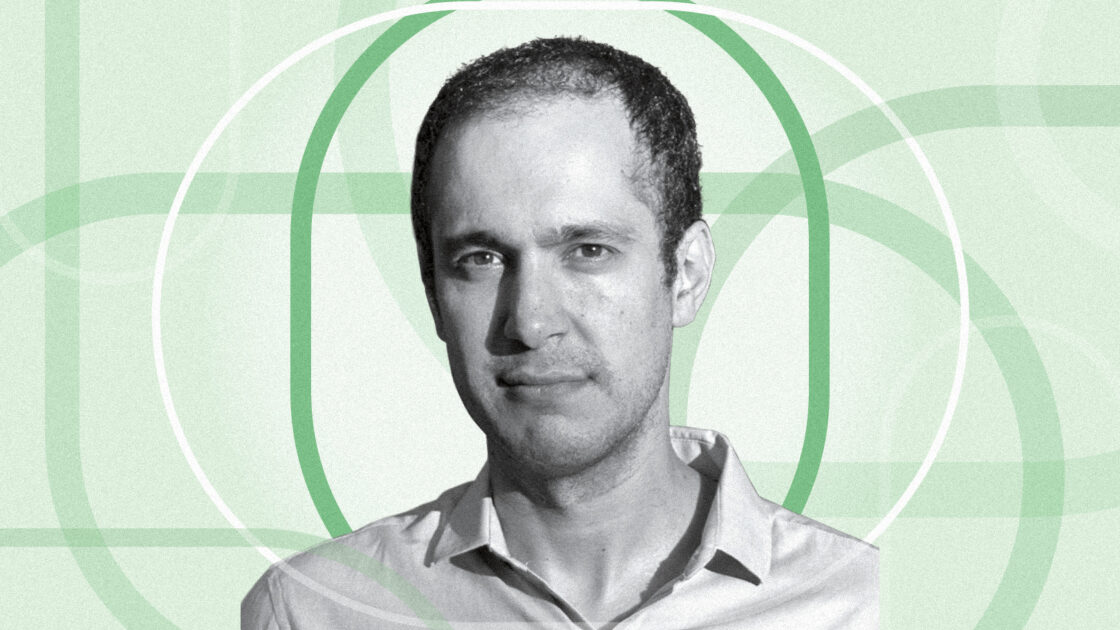
Kaveh Madani has been named the 2026 Stockholm Water Prize Laureate, an honor often described as the Nobel Prize of water, for his leadership and authorship of the U.N.’s landmark Global Water Bankruptcy report. The report introduces the concept of water bankruptcy and warns that the global population consumes more water than natural systems can replenish.
Integrating Climate Into Economic Priorities
Madani stated that society must stop treating climate change as a separate, competing agenda and instead integrate it directly into economic and development priorities. He explained that in a fragmented world with limited resources, standalone policies and additional investments are not always necessary for climate mitigation and adaptation. Decisions across sectors like agriculture, energy, water, health, infrastructure, and urban development can simultaneously advance climate goals and human well-being if governments, financial institutions, businesses, and individuals address policy contradictions and harness co-benefits.
Rethinking Consumption Patterns and AI Impact
Regarding personal sustainability, Madani stated he will continue questioning his own consumption habits to advocate for responsible resource use. He noted that the cleanest energy is unproduced energy, the best food is un-wasted food, and the most sustainable plastic and AI applications are those avoided when they add no real value. Madani warned that technological innovations and efficiency gains do not automatically produce sustainability because the rebound effect can encourage greater consumption.
Water as a Catalyst for Cooperation
According to Madani, investing in water is an underappreciated climate solution that serves as a vehicle for multiple development agendas, connecting climate change with food security, public health, human rights, and peace. In a divided world, water provides common ground across political divides and bridges interests between the Global North and South. He noted that water transcends political and geographical boundaries, making it a powerful entry point for rebuilding trust and mobilizing resources.
Human Resilience and Hope for the Future
Madani expressed hope through human resilience and the capacity to learn, innovate, and cooperate under difficult circumstances, drawing on his Persian heritage and experiences across the Global South and North. He emphasized that hope is the conviction that human actions still matter and that change is possible. Regarding artificial intelligence, Madani stated that AI can either help or worsen the climate crisis depending on governance and usage, noting that rapid AI infrastructure expansion increases demands for energy and water while offering resource optimization and efficiency tools.