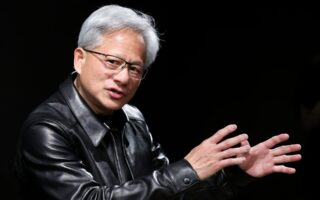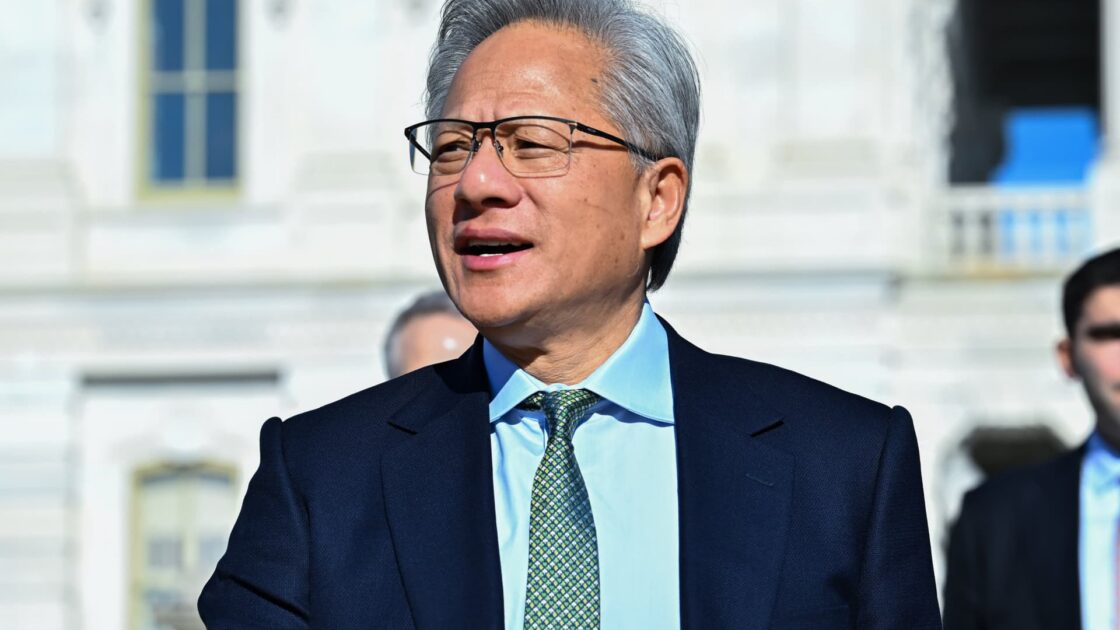
Nvidia CEO Jensen Huang has resigned following an espionage scandal involving allegations of a relationship with a suspected Chinese intelligence asset. Despite his departure, lawmakers and congressional leaders insist that Huang and the chipmaking giant must still answer questions regarding U.S. national security.
Congressional Investigations and Testimony
House Foreign Affairs Chair Brian Mast stated that Huang has agreed to testify before Congress ahead of Thanksgiving, potentially as soon as the following week. Lawmakers are negotiating the exact date and whether the appearance will be public or closed-door, with Mast noting that a subpoena remains an option if necessary.
Democratic leaders on the Senate Finance Committee and House Ways and Means Committee, including Sen. Ron Wyden and Rep. Richard Neal, launched an investigation into the Trump administration’s approval of advanced H200 AI chip exports to Chinese-linked companies. Senate Minority Leader Chuck Schumer and House Minority Leader Hakeem Jeffries both called for classified briefings, questioning whether national security was compromised and examining the Trump administration’s role.
Senate Majority Leader John Thune and Sen. Elizabeth Warren likewise confirmed that congressional oversight will continue despite Huang’s exit. Warren urged Congress to pass the AI Overwatch act to provide strict oversight over advanced chip exports.
Market Impact and Leadership Transition
Nvidia’s board hired Wachtell Lipton to investigate the intelligence allegations after reports surfaced that companies in Singapore and Malaysia may have evaded U.S. export controls. In response to the crisis, the board named Harvey C. Jones as its first-ever board chair and appointed CFO Colette Kress as interim CEO. Kress is scheduled to gather Nvidia’s executive team at the Santa Clara headquarters to discuss leadership and business continuity.
Market reaction was severe, with Nvidia’s stock plunging over 13% at the open and shedding $2 trillion in market value since its October peak. Wall Street analysts raced to downgrade the stock and slash price targets, citing increased strategic and execution risks.
Meanwhile, competitor Advanced Micro Devices saw its shares rise significantly as investors weighed potential market shifts. Nvidia stated it still plans to stick with its Nov. 17 earnings report to announce fiscal third-quarter results.
Nvidia reiterated that it will consider both internal and external candidates in its search for a permanent CEO to succeed Huang.