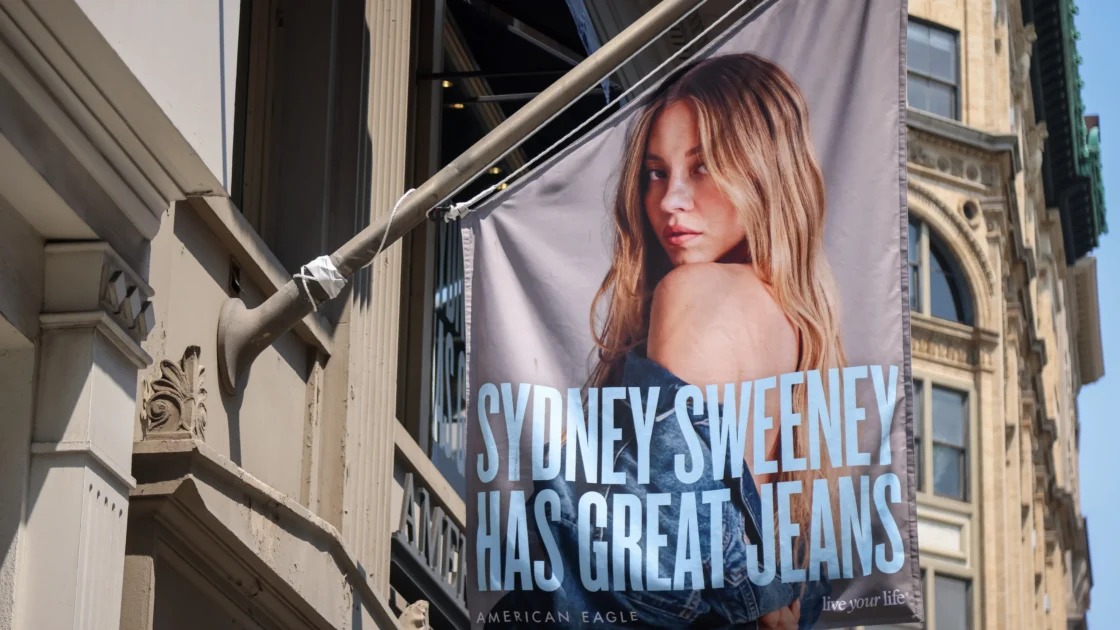
An advertising campaign featuring actress Sydney Sweeney in American Eagle jeans sparked a global debate over its tagline and imagery last year. However, as reported by NPR, the conversation largely overlooked the garment workers in Asia who produced the clothing under sweltering and difficult conditions.
The Realities of Garment Production in Pakistan and Bangladesh
A single mother in Karachi, Pakistan, who asked to be identified only as S. out of fear of losing her job, recognized the denim styles she previously worked on while watching the American Eagle advertisement on a smartphone. S. is employed at a factory operated by Artistic Garment Industries, earning about $144 a month to support her family. She told NPR that the facility is oppressively hot, with temperatures exceeding the extreme outdoor heat, and that strict production targets make it difficult to pause for water or rest. S. stated that she has fainted three times over the course of the year due to the conditions.
As detailed by NPR, S. is among approximately 20 workers interviewed across Bangladesh and Pakistan—two major global garment hubs outside China—who shared similar accounts of low wages, immense workloads, and extreme workplace temperatures. Workers reported manufacturing apparel for multiple prominent brands, including Levi’s, Massimo Dutti, The Gap, H&M, and American Eagle. According to Jason Judd, executive director of the Global Labor Institute at Cornell University, interior factory temperatures can rise significantly higher than outside due to machinery, materials, and crowded conditions, leading to serious health risks such as heat illness and fainting, as noted by Climate Rights International researcher Cara Schulte.
In Dhaka, Bangladesh, another worker named R. described working six days a week, at least 12 hours a day, for $140 a month at an MBM-run factory that produces denim for brands like Levi’s. R. explained that strict quotas—such as stitching 150 pieces per hour—make bathroom breaks extremely difficult, leading her to limit water consumption despite summer temperatures reaching 98 F. While R. considered her employer relatively fair regarding overtime pay, other workers at various facilities detailed ongoing struggles with unpaid overtime, verbal abuse from supervisors, and fears of termination.
Industry Response and Safety Accords
Factory operators and fashion brands have responded to these accounts through statements addressing labor practices and safety measures. Artistic Garment Industries told NPR that it does not push out complaining workers, maintains an active internal complaints system, monitors factory temperatures, and places water stations near employees. MBM did not respond to NPR’s requests for comment, while Artistic Milliners also did not reply regarding specific worker allegations, though parts of the company maintain Fair Trade USA certification.
Major apparel brands contacted by NPR emphasized their commitment to worker safety and rights. American Eagle stated it takes worker concerns very seriously and works with suppliers to protect rights. H&M reported that it requires Artistic Garment Industries to implement corrective action plans and participates in a pilot program on heat stress in Pakistan. Levi Strauss & Co., Inditex, and Gap Inc. likewise expressed commitment to worker safety, though responses regarding specific corrective actions varied.
Efforts to improve conditions stem partly from historical tragedies, such as the 2013 Rana Plaza building collapse in Bangladesh, which led to the creation of the legally binding International Accord to protect worker safety across hundreds of brands. Last December, the International Accord agreed to develop an enforceable protocol on heat stress, which will involve regular factory inspections to ensure proper cooling. Meanwhile, workers like I. in Karachi continue to navigate daily pressures, alleging that factory management sometimes instructs them to provide positive feedback during brand audits to protect business relationships.