Table of Contents
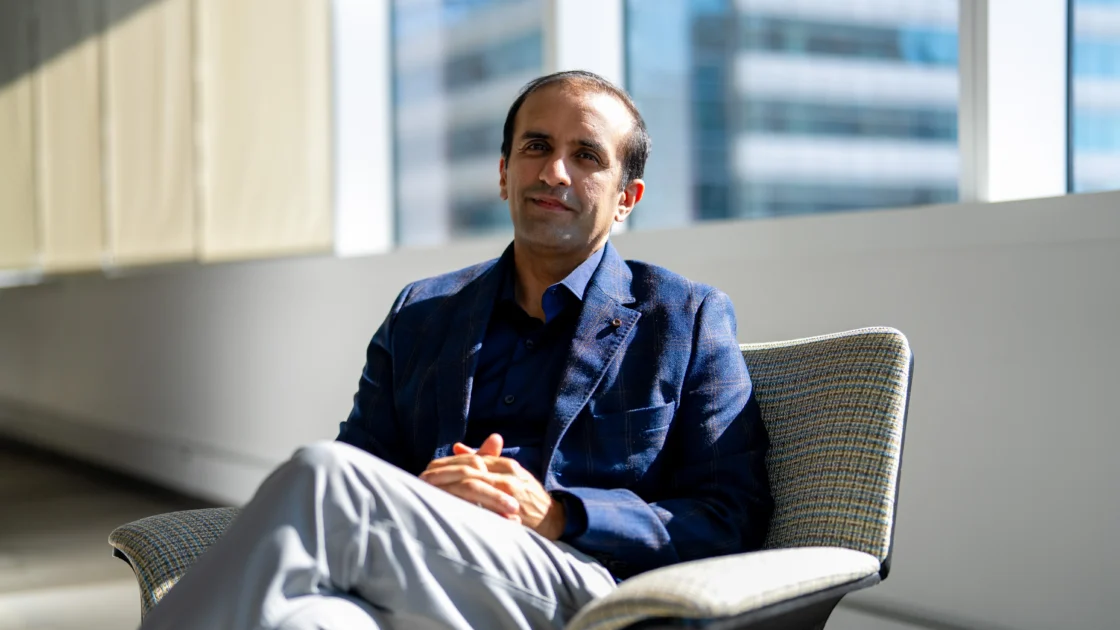
Former Biden White House health adviser Dr. Raj Panjabi has released a new book titled Safer: A Playbook, drawing on his experiences in emergency response rooms and his own family medical crisis. NPR Topics: News reports that the physician and former malaria coordinator hopes to provide people with practical strategies for managing unexpected emergencies in their daily lives.
A Personal and Professional Approach to Crises
Panjabi is no stranger to uncertainty, having fled the civil war in Liberia as a child before immigrating to the United States at age nine. He later co-founded the humanitarian organization Last Mile Health and served as a global health security adviser during the COVID-19 pandemic. However, a profound personal emergency inspired his new book when his youngest child was diagnosed with heart failure at age one.
He told NPR Topics: News that he felt frustrated by the lack of structured guidance available for families facing sudden hardships. His book combines personal narrative, public health insights, and straightforward advice structured around principles such as turning denial into action, avoiding isolation, pivoting, and embracing uncertainty.
Overcoming Denial and Building Trust
Discussing the initial stages of a crisis, Panjabi explained that people often struggle to detect slow-moving threats due to normalcy bias—the assumption that tomorrow will resemble yesterday. Reflecting on his daughter’s illness, he admitted to experiencing guilt over missing early signs, noting that denial is a common initial reaction whether dealing with a medical emergency or a sudden job loss.
To counter this, he recommends establishing “if/then thresholds” to monitor warning signs and regain a sense of control. When addressing societal health challenges, such as vaccine hesitancy and the return of preventable illnesses like measles, Panjabi emphasizes asking barrier-oriented questions rather than blame-oriented ones. By focusing on what prevents individuals from following health guidelines, healthcare providers can better understand practical obstacles and concerns.
He also stressed that community connections and local healthcare providers remain vital sources of trust, noting that public confidence is generally stronger at the local level than in national institutions.
Navigating Global and Technological Uncertainty
Addressing modern technological concerns, Panjabi discussed the dual nature of artificial intelligence, which holds potential for developing new medicines while simultaneously presenting biosecurity risks. He suggests a psychological strategy for managing such massive uncertainties by focusing strictly on controllable actions within one’s sphere of influence, such as ensuring scientists actively minimize the risks associated with their research.
Readers interested in more stories on health and global developments can subscribe to NPR’s Global Health newsletter.