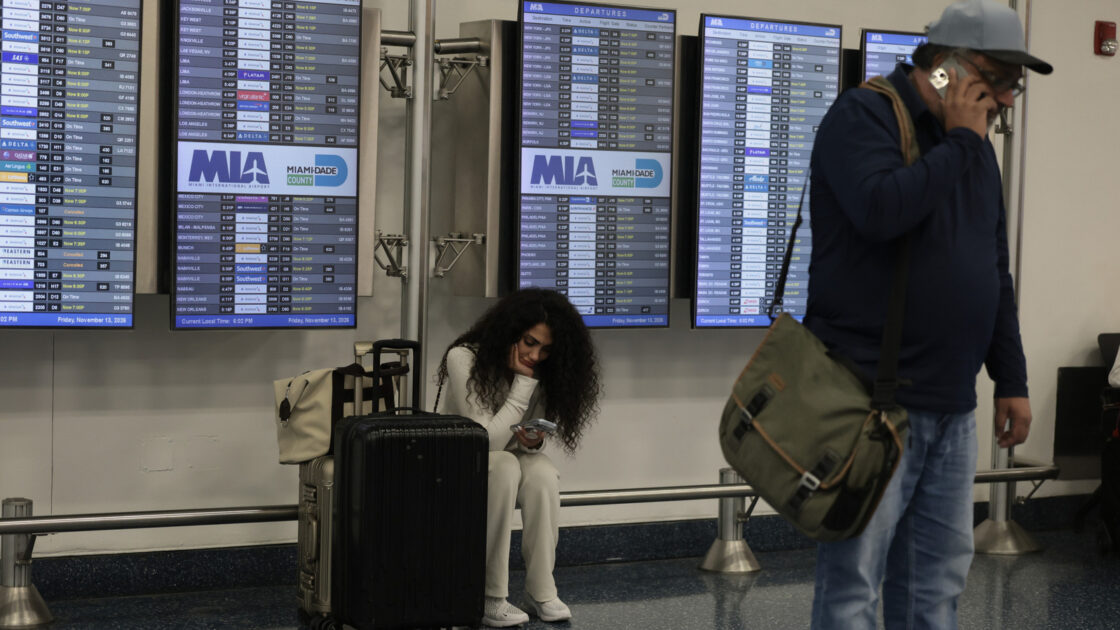
The Federal Aviation Administration (FAA) has halted the installation of a router model manufactured by Juniper Networks, a company owned by Hewlett-Packard Enterprise, following a nationwide flight ground stop.
Router Malfunction and Nationwide Ground Stop
The agency decided to suspend new installations and disable more than 60 routers that had already been put in place after concluding the hardware played a major role in the November 13 incident that grounded flights across the US. Transport Secretary Sean Duffy initially blamed outdated hardware for the disruption before clarifying that the event stemmed from modernization efforts within the nation’s aviation facilities.
A contractor from tech company L3Harris was transitioning telecommunication lines from copper wires to fiber and setting up the new router at an FAA facility in El Dorado, Arkansas, when the device began flooding other air traffic control system routers with data. After a second router in Amarillo, Texas, also malfunctioned, the FAA disabled both units.
Duffy noted at a news conference that the router underwent a year of testing beforehand. “Sixty-eight times it worked well,” he stated, adding that the specific unit began broadcasting into the network and overloading it. In the aviation sector, routers handle the transmission of critical data, such as radar feeds, flight plans, and weather updates.
Investigation and Calls for System Funding
Although officials identified the router as the source of the problem, FAA administrator Bryan Bedford acknowledged that the exact trigger remains unknown. Democratic members of the Senate Commerce, Science and Transportation Committee have called on the agency to determine the cause of the malfunction and report back to Congress with a prevention plan.
National security agencies informed Duffy that a cyberattack did not cause the incident, though he still requested the FBI to join the team examining the router from Arkansas. Furthermore, the Transport Secretary renewed his appeal to Congress for an additional $50 billion to modernize the American air traffic control network. “I would just tell you, the longer we stay on an old rickety network, the less safe it becomes,” he said. “We do have to get this work done. Otherwise, staying on the old system for longer is going to mean more risk as opposed to fixing the system, and you’re going to reduce the risk.”