Table of Contents
The developing El Niño phenomenon continues to expand and could bring significant weather shifts across North America this autumn and winter. The naturally occurring climate pattern involves trade winds over the Pacific Ocean weakening or reversing, allowing warm water to spread eastward and release heat into the atmosphere.
Wet Conditions in the South
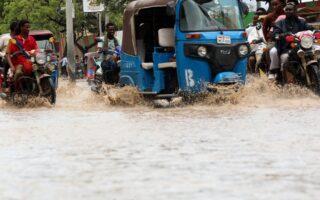
The eastward shift of warm ocean water causes the Pacific jet stream to move south and extend eastwards, directing rain-bearing weather systems across the southern United States. According to the latest three-month forecast from the US National Weather Service, south-eastern states such as Florida, Georgia, and the Carolinas face the greatest probability of above-average rainfall for the winter of 2026-2027. Past events like the 1997-1998 winter brought major flooding to the south-east along with tornadoes in Florida.
West Coast Flood and Sea Level Risks
California faces potential flooding and mudslides, prompting Governor Gavin Newsom to declare a state of emergency ahead of anticipated storms. Areas previously scarred by wildfires are especially vulnerable as climate change amplifies these risks. Additionally, Kelvin waves—ocean water sloshing across the Pacific and halting at the American west coast—can raise overall sea levels by 15cm or more over several weeks and months, worsening coastal erosion and large waves.
Dry and Warm Northern Regions
The displaced Pacific jet stream typically brings milder winters to the north-west United States, the Northern Plains, the Ohio Valley, and parts of western and central Canada. While this reduces flood risks, lower rainfall can deplete groundwater and river levels, increasing spring and summer wildfire and drought hazards while hurting ski resorts. Long-range predictions indicate a dry and warm winter is favored, though historical exceptions like the wetter winters of 1982-1983 and 2015-2016 demonstrate that outcomes are not guaranteed.
Mixed Outlook for Snowfall
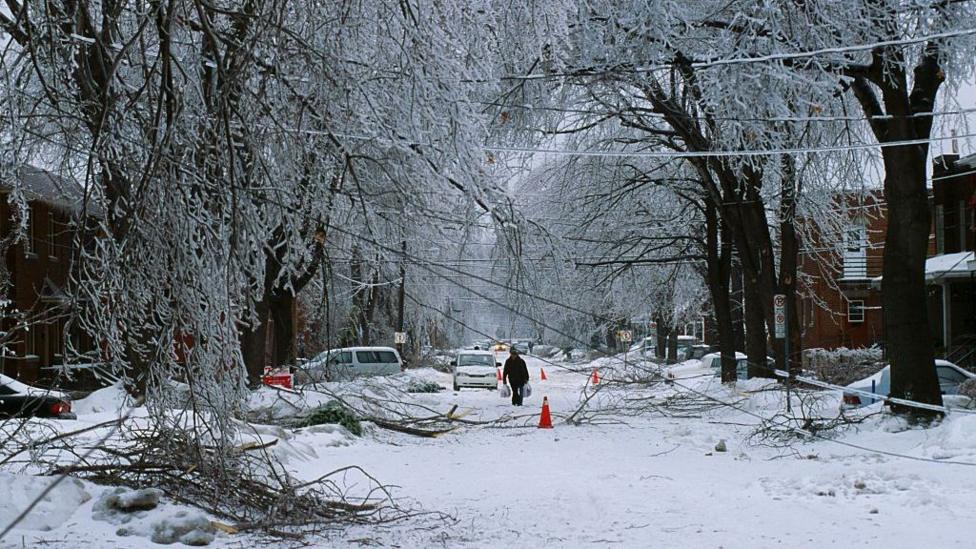
While northern regions face a lower likelihood of snow due to warmer conditions, southern areas often experience heavy snowfalls in the Californian mountains and southern Rockies. Washington DC occasionally receives record-breaking snowfall during these winters, such as the 2009-2010 standstill and 2016 blizzards, though the phenomenon has also coincided with the city’s least snowy seasons. In eastern Canada and the north-east United States, higher temperatures can turn potential snow into rain and raise freezing rain risks, which contributed to the Great Ice Storm of 1998.
Polar Vortex Complications
El Niño may also increase the likelihood of disruption to the stratospheric polar vortex, a ring of strong winds circling the North Pole that traps cold Arctic air. Energy released by El Niño can weaken this vortex, potentially allowing cold air to spill across Canada and the United States, although the exact links remain complex and uncertain.